What Is Hyperhidrosis?
02/06/2026
What Causes Hand Sweating?
11/06/2026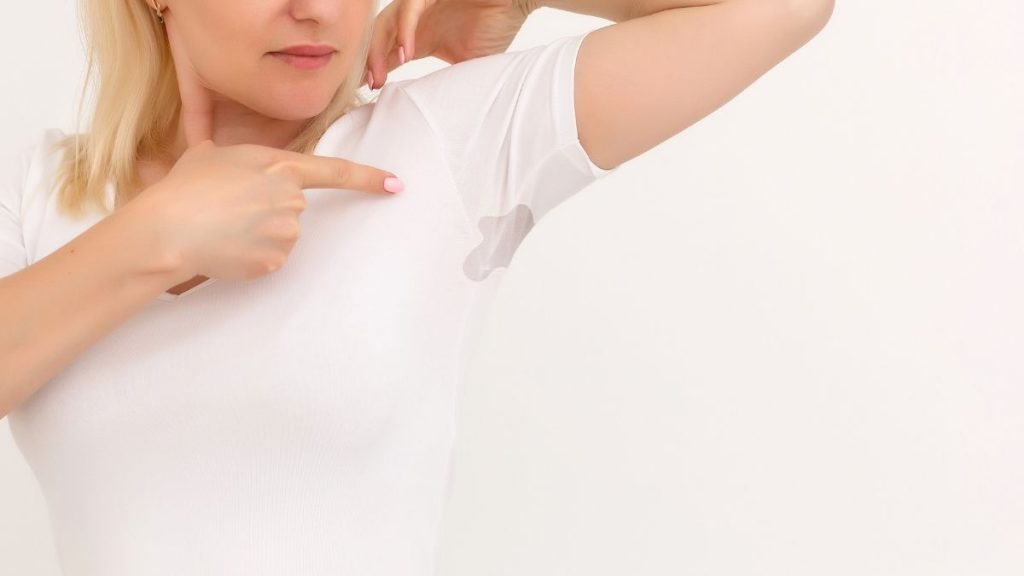
Excessive sweating can affect a person’s daily life, social relationships, work routine, and self-confidence. Medically known as hyperhidrosis, this condition occurs when the body produces more sweat than it actually needs. In some people, it affects only the hands, underarms, feet, or face. In others, sweating may feel more widespread.
Excessive sweating treatment is not the same for every patient. The cause of sweating, the affected area, its severity, the patient’s age, accompanying medical conditions, and the impact on daily life all influence the treatment plan. For this reason, the first step is to understand whether sweating is a normal body response or part of a separate condition called hyperhidrosis.
In some patients, lifestyle changes and topical products may be enough. In others, botulinum toxin injections, iontophoresis, or oral medications may be considered. In more severe cases, especially when hand sweating, facial sweating, or underarm sweating significantly affects quality of life, surgical options may also be evaluated.
How Is the Treatment for Excessive Sweating Decided?
When deciding on treatment for excessive sweating, the question is not only “How much do I sweat?” The more important questions are when the sweating started, which areas are affected, how long it lasts, and how much it affects the person’s daily life.
For example, sweating only in hot weather or during exercise is usually considered normal. However, constantly wet hands even in a cool environment, needing to change clothes frequently because of underarm sweating, avoiding social settings because of facial sweating, or daily discomfort caused by foot sweating should be evaluated in more detail.
When planning treatment, the following points are considered:
-
- Which area is affected by sweating?
- How severe is the sweating?
- Does it affect daily life, work, school, or social relationships?
- Has it been present since childhood or adolescence?
- Did it start later in life?
- Is there night sweating?
- Are there other symptoms such as weight loss, palpitations, fever, or fatigue?
- Could current medications or existing medical conditions be increasing sweating?
This evaluation is important because some patients have primary hyperhidrosis. This means that the sweat glands are overactive without another clear underlying disease. In other patients, sweating may be related to another medical condition, hormonal change, infection, medication use, or metabolic problem. If there is an underlying cause, treatment should first focus on that cause.
What Is the First Step in Excessive Sweating Treatment?
The first step in treating excessive sweating is to understand the type and severity of sweating. Therefore, patient evaluation should not be limited to a short examination. The duration of the complaint, the situations that increase sweating, and the affected areas should be carefully assessed.
Some patients say, “I sweat too much,” but their sweating may actually be explained by hot weather, intense stress, or physical activity. Others may have avoided handshakes for years, chosen clothes according to sweat marks, or felt uncomfortable in social environments. In this second group, the need for treatment becomes more obvious.
The main purpose of the first evaluation is to answer this question:
Is sweating a normal physiological response, or is it an excessive sweating problem that affects quality of life?
Once this distinction is made, treatment steps can be planned individually.
Are Lifestyle Changes Enough for Excessive Sweating?
Lifestyle changes may provide relief in some people with mild sweating complaints. However, in true hyperhidrosis, these methods are often not enough on their own. Still, supportive measures are important at the beginning of the treatment plan.
These measures may include:
-
- Choosing breathable fabrics
- Avoiding tight and synthetic clothing
- Wearing clothes that show sweat marks less clearly
- Observing whether spicy foods, caffeine, or hot drinks increase sweating
- Using relaxation techniques if sweating increases with stress or excitement
- Paying attention to socks and shoes in foot sweating
- Keeping the affected area as dry as possible
These adjustments may help especially in mild sweating. However, if hand sweating, underarm sweating, foot sweating, or facial sweating clearly affects daily life, lifestyle changes alone may not be sufficient. In such cases, medical treatment options should be evaluated.
Are Antiperspirants Used in Excessive Sweating Treatment?
One of the first treatment options for excessive sweating is antiperspirant products. Deodorants mainly help reduce odor, while antiperspirants are used to reduce sweat production. For this reason, ordinary deodorants are often not enough for people with excessive sweating.
Antiperspirants are especially preferred for underarm sweating. In some cases, they may also be used for hand and foot sweating. Stronger products may be recommended under medical supervision.
However, the effect of these products can vary from person to person. Some patients experience sufficient relief, while others may develop skin irritation, burning, or itching. Therefore, the frequency and method of use should be adjusted individually.
How Is Botulinum Toxin Treatment Used for Excessive Sweating?
Botulinum toxin treatment is one of the commonly used methods for excessive sweating, especially underarm sweating. It helps control sweat production by temporarily reducing the nerve signals that stimulate the sweat glands.
Botulinum toxin treatment may be considered for:
-
- Underarm sweating
- Hand sweating
- Foot sweating
- Facial or head sweating in selected patients
The underarm area is usually more comfortable for this treatment. The hands and feet may be more sensitive because these areas contain more nerve endings, so the procedure may feel more painful.
Botulinum toxin is not a permanent treatment. Its effect decreases over time and may need to be repeated when necessary. For this reason, it can be considered a temporary but effective option for patients who do not want surgery or are not suitable for surgery.
What Is Iontophoresis and Which Types of Sweating Is It Used For?
Iontophoresis is a treatment method especially used for hand and foot sweating. In this method, the hands or feet are placed in a special device containing water, and a low-level electrical current is applied. The aim is to reduce sweat gland activity.
Iontophoresis is most commonly considered for:
-
- Hand sweating
- Foot sweating
- In some cases, underarm sweating
This method may require regular sessions. At the beginning, sessions may be more frequent. Once improvement is achieved, maintenance sessions may be planned.
Iontophoresis may be helpful for some patients, but it is not suitable for everyone. People with pacemakers, certain metal implants, pregnancy, or specific medical conditions should be evaluated carefully. Therefore, suitability for this method should be determined by a doctor.
Is There Medication for Excessive Sweating?
In some patients, oral medications may be used to reduce excessive sweating. These medications usually aim to reduce sweat production by affecting the nerve-related system that stimulates the sweat glands. However, these medications are not suitable for everyone and should be used carefully because of possible side effects.
Side effects may include dry mouth, blurred vision, constipation, difficulty urinating, palpitations, or drowsiness. For this reason, medication should always be planned under medical supervision.
Medication may be considered especially in patients with more widespread sweating or in those who want to benefit from non-surgical options. However, in severe localized cases such as hand sweating or facial sweating that significantly affects quality of life, medication alone may not be enough.
When Is Surgery Considered for Excessive Sweating?
Surgery for excessive sweating is usually considered in patients who do not benefit enough from other treatment options or whose symptoms are very severe. Surgical options may be evaluated especially in hand sweating, facial sweating, and selected cases of underarm sweating.
One of the best-known surgical methods in this field is ETS surgery. ETS stands for endoscopic thoracic sympathectomy. In this procedure, the sympathetic nervous system involved in sweating signals is targeted. The aim is to reduce the excessive sweating signals.
Surgical treatment may be considered in the following situations:
-
- Hand sweating seriously affects daily life
- The person avoids handshakes, writing, or social contact
- Facial sweating or facial blushing significantly affects social life
- Other treatments have not provided enough benefit
- The complaint has been present for a long time
- The patient understands the possible benefits and risks of surgery
However, surgical treatment is not suitable for every patient. Before surgery, the type of sweating, affected area, severity, patient expectations, and possible side effects should be evaluated in detail.
Is ETS Surgery Suitable for Every Patient with Excessive Sweating?
No. ETS surgery is not suitable for every patient with excessive sweating. This operation can provide successful results when the right patient is selected. However, incorrect patient selection, unrealistic expectations, or insufficient discussion of possible risks may reduce treatment satisfaction.
ETS is more commonly considered in certain types of hyperhidrosis, especially hand sweating. Its effect and preference in underarm sweating or foot sweating may vary depending on the patient. Therefore, the decision for surgery requires an individual evaluation.
Before surgery, the patient should clearly understand:
-
- Which area of sweating is expected to improve
- When sweating reduction may be noticed
- The risk of compensatory sweating
- That results may not be the same in every patient
- That follow-up after surgery is important
Surgery for excessive sweating should not be seen as a simple procedure performed only to “stop sweating.” The decision should be made by evaluating the patient’s quality of life, sweating pattern, and possible side effects together.
Why Is Compensatory Sweating Important in Treatment Decisions?
Compensatory sweating means increased sweating in other areas of the body after ETS surgery. For example, after hand sweating decreases, sweating may increase on the back, abdomen, chest, or legs.
This does not occur with the same severity in every patient. In some people, it remains mild. In others, it may become uncomfortable. Therefore, the risk of compensatory sweating should always be discussed in patients considering ETS surgery.
The most accurate approach for the patient is this:
Surgery should be evaluated not only by its benefits, but also by its possible side effects.
For this reason, the decision for surgical treatment should not be rushed. Patient expectations should be handled realistically, and the most suitable treatment should be chosen carefully.
Does Treatment Change According to the Affected Area?
Yes. In excessive sweating treatment, the affected area directly influences treatment selection.
Hand Sweating
Hand sweating is one of the types of sweating that most affects social life and daily activities. It may cause discomfort during handshakes, writing, computer use, holding a phone, or job interviews.
In mild cases, antiperspirants or iontophoresis may be tried. In more severe cases, botulinum toxin or surgical options may be considered. ETS surgery may be evaluated especially in long-term hand sweating that clearly affects quality of life.
Underarm Sweating
Underarm sweating often affects clothing choices, social comfort, and the person’s sense of ease in daily life. Antiperspirants, botulinum toxin treatment, and some local treatment options may be used in this area.
Botulinum toxin is one of the frequently preferred methods for underarm sweating. Surgical options should be evaluated more carefully depending on the patient.
Foot Sweating
Foot sweating is sometimes underestimated because it is not visible. However, it may cause bad odor, discomfort inside shoes, a slippery feeling, tendency toward fungal problems, and loss of daily comfort.
In foot sweating, antiperspirants, shoe and sock adjustments, and iontophoresis may be useful. Surgical treatment should be considered more selectively and carefully.
Facial Sweating
Facial sweating is one of the most noticeable complaints in social environments. It may become more obvious during excitement, stress, public speaking, or in warm environments.
In some patients, facial blushing may also accompany the sweating. In this case, treatment should be planned not only according to sweating, but also according to the social difficulty experienced by the patient. Surgical options may be considered in some patients with facial sweating and facial blushing, but the decision should be made carefully.
Is Excessive Sweating Treatment Permanent?
The permanence of excessive sweating treatment depends on the method used. Lifestyle changes, antiperspirants, botulinum toxin injections, iontophoresis, and medication usually require continuity or repetition. The effect of botulinum toxin decreases over time. Iontophoresis may require regular sessions. Antiperspirants are helpful as long as they are used.
Surgical treatments may provide a more permanent effect. However, in surgical treatment, patient selection, the affected sweating area, and the risk of compensatory sweating should be carefully evaluated. Therefore, instead of asking “Which treatment is the most permanent?”, the better question is: “Which treatment is most suitable for my type of sweating?”
How Long Does It Take for Excessive Sweating Treatment to Work?
The time needed for treatment to work depends on the method used.
With antiperspirants, the effect may be noticed within a few days or weeks. With botulinum toxin treatment, the effect usually begins within a short time and becomes more noticeable gradually. With iontophoresis, improvement may be seen after regular sessions. With medication, the response varies depending on the medication and the individual patient. In surgical treatment, sweating reduction in the targeted area may be noticed earlier.
However, every patient’s response is different. Therefore, it is important to be patient, attend follow-up appointments, and keep expectations realistic.
What Is the Best Treatment for Excessive Sweating?
There is no single “best treatment” for excessive sweating. The most appropriate method is the one selected according to the patient’s sweating type and expectations.
For example, antiperspirants or botulinum toxin may be enough for a patient with mild underarm sweating. Surgical options may be considered for a patient with severe hand sweating that has affected social life for years. Iontophoresis may be more suitable for a patient with foot sweating. In a patient with widespread sweating, underlying causes should first be investigated.
For this reason, the goal of excessive sweating treatment is not only to reduce sweating. The goal is to improve daily comfort, increase social confidence, and achieve this with the most suitable method for the patient.
Conclusion
Excessive sweating treatment should be planned according to the patient’s complaint and the cause of sweating. The same treatment method is not used for every patient. In some patients, simple measures and antiperspirants may be enough. In others, botulinum toxin treatment, iontophoresis, medication, or surgical options may be needed.
Especially if hand sweating, underarm sweating, foot sweating, or facial sweating affects daily life, it should not be seen only as a cosmetic problem. Excessive sweating can directly affect social relationships, work life, and psychological comfort.
Therefore, the most accurate approach is to identify the type of sweating correctly and plan treatment individually. In excessive sweating treatment, the important goal is not only to reduce sweating, but to improve the patient’s quality of life with a safe and appropriate method.
Frequently Asked Questions
1. Can excessive sweating be completely treated?
Excessive sweating can be controlled in many patients. However, the permanence of treatment depends on the method used. Botulinum toxin, iontophoresis, and antiperspirants may need to be repeated or continued. Surgical treatments may provide a more permanent effect, but they are not suitable for every patient.
2. Which treatment is usually tried first for excessive sweating?
Treatment usually starts with simpler and non-surgical options depending on the severity of sweating. Antiperspirants, lifestyle changes, botulinum toxin, iontophoresis, or medication may be considered according to the patient.
3. What is the most effective treatment for hand sweating?
Treatment for hand sweating depends on severity. In mild cases, antiperspirants or iontophoresis may be tried. In more severe cases that affect quality of life, botulinum toxin or ETS surgery may be considered.
4. Does botulinum toxin work for underarm sweating?
Yes. Botulinum toxin is one of the commonly used treatment options for underarm sweating. It helps control sweating by temporarily reducing the nerve signals that stimulate the sweat glands. However, its effect is not permanent and repeat treatment may be needed over time.
5. Which areas can be treated with iontophoresis?
Iontophoresis is most commonly used for hand and foot sweating. In some cases, it may also be considered for underarm sweating. It is a treatment method that requires regular sessions.
6. Can medication be used for excessive sweating?
In some patients, oral medications may be used. However, these medications may have side effects and should not be used without medical supervision. Side effects may include dry mouth, constipation, blurred vision, or palpitations.
7. Who is suitable for excessive sweating surgery?
Surgery is usually considered in patients who do not benefit enough from other treatments, have significant symptoms, and especially experience localized hyperhidrosis such as hand sweating. It is not suitable for every patient.
8. Does ETS surgery provide a permanent solution?
ETS surgery may provide long-term reduction of sweating in the targeted area in some patients. However, because side effects such as compensatory sweating may occur, the decision for surgery should be made after detailed evaluation.
9. What is compensatory sweating?
Compensatory sweating is increased sweating in other parts of the body, especially after ETS surgery. It may occur on the back, chest, abdomen, or legs. Its severity varies from person to person.
10. Which doctor should I see for excessive sweating?
In excessive sweating, the cause of sweating should first be evaluated. Dermatology, thoracic surgery, and other relevant specialties may be involved depending on the type of sweating. In cases where surgical treatment may be needed, such as hand sweating, facial sweating, or selected underarm sweating, evaluation by a thoracic surgeon may be required.