How Is Hand Sweating Treated?
11/06/2026
What Causes Facial Sweating?
25/06/2026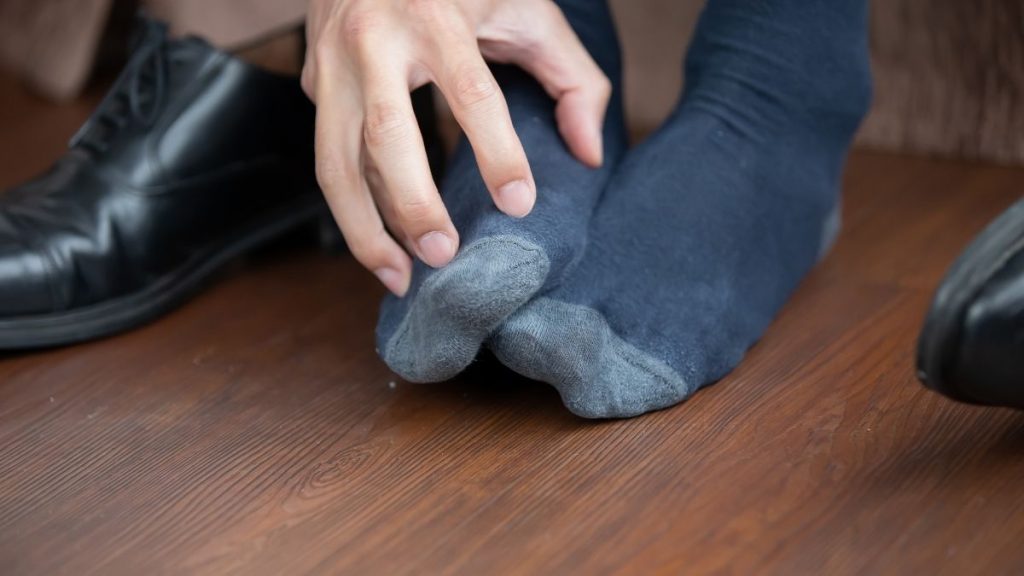
Foot sweating is often underestimated because it is not visible from the outside, but it can seriously affect a person’s daily comfort. A constant feeling of wetness inside shoes, socks becoming damp quickly, concern about bad odor, a slippery feeling while walking, difficulty choosing shoes, and discomfort in social situations are common complaints in people with foot sweating.
Sweating of the feet does not always mean disease. Hot weather, wearing closed shoes for long periods, long walks, exercise, stress, excitement, or non-breathable socks and shoes can increase foot sweating. However, if the feet sweat constantly even in cool weather, if socks become wet frequently, if odor becomes noticeable, or if daily life is affected, the condition may need to be evaluated as plantar hyperhidrosis, meaning excessive sweating of the feet.
To reduce foot sweating, daily factors that increase sweating should first be adjusted. Sock and shoe selection, foot hygiene, antiperspirant products, and medical treatments when needed are important in this process. In excessive sweating treatment, antiperspirants, iontophoresis, certain medications, botulinum toxin applications, and surgical options in selected cases may be considered.
What Is Foot Sweating?
Foot sweating is increased sweat production on the soles of the feet and between the toes. The soles are among the areas where sweat glands are active. For this reason, staying in shoes for a long time, being in a hot environment, or doing physical activity can cause sweating in the feet.
However, in some people, foot sweating goes beyond the normal range. The person may need to change socks during the day, feel embarrassed about taking off shoes, worry about odor, or feel uncomfortable because the feet remain constantly wet.
In this case, foot sweating is not just a simple moisture problem. It may become a condition that affects daily life, social comfort, shoe choices, and personal well-being.
Is Foot Sweating Normal?
Foot sweating is completely normal in some situations. It is expected for the feet to sweat in hot weather, during sports, after long walks, or when wearing closed shoes for a long time.
Normal foot sweating is usually linked to a clear trigger. For example, if the feet sweat after staying in shoes for a long time on a hot day, this can be considered normal. When the trigger disappears, sweating usually decreases.
Foot sweating should be evaluated more carefully in the following situations:
-
- if the feet sweat frequently even in cool weather
- if socks become wet quickly
- if there is constant moisture and slipperiness inside shoes
- if bad odor becomes noticeable
- if the person feels embarrassed to take off their shoes in social situations
- if hand or underarm sweating also accompanies foot sweating
- if the complaint has continued since childhood or adolescence
- if sweating started later in life and other symptoms are present
Excessive sweating may occur even when the body does not need cooling. In localized hyperhidrosis, areas such as the palms, soles, and underarms may commonly be affected.
What Causes Foot Sweating?
There may be many causes of foot sweating. Sometimes it is completely related to daily habits. In other cases, it may be associated with overactivity of the sweat glands.
Main factors that can increase foot sweating include:
-
- hot weather
- wearing shoes for long periods
- non-breathable shoes
- synthetic socks
- intense walking or exercise
- stress and excitement
- caffeine or spicy foods
- hormonal changes
- certain medications
- thyroid disorders
- blood sugar fluctuations
- primary hyperhidrosis
- regional hyperhidrosis that occurs together with hand and underarm sweating
If foot sweating has been present since childhood or adolescence, usually affects both feet, and occurs together with hand sweating, primary hyperhidrosis may be considered. However, if sweating started later in life, occurs at night, or is accompanied by symptoms such as weight loss, fever, or palpitations, underlying causes should be investigated.
Can Foot Sweating Be a Sign of Hyperhidrosis?
Yes. In some people, foot sweating may be a sign of hyperhidrosis. If sweating is too intense to be explained by temperature, movement, or shoe use, it should be evaluated as possible plantar hyperhidrosis.
Foot sweating may suggest hyperhidrosis if:
-
- it has continued for a long time
- it affects both feet
- it cannot be explained by heat
- it affects daily life
- the person needs to change socks frequently
- there is constant wetness inside shoes
- hand sweating or underarm sweating is also present
- there is a family history of similar sweating
- it clearly decreases or disappears during sleep
In primary hyperhidrosis, the nerve signals that stimulate the sweat glands may work more actively than normal. This condition usually affects certain areas and may involve the palms, soles, underarms, or face.
Are Foot Sweating and Foot Odor the Same Thing?
No. Foot sweating and foot odor are not the same thing. Sweat itself is usually odorless. Bad odor often occurs when bacteria multiply in a moist environment and interact with sweat on the skin surface.
For this reason, some people may have noticeable foot sweating but little odor. In others, sweating may be moderate, but odor may be the more disturbing complaint.
There are two separate goals in foot sweating and odor problems:
Reducing the amount of sweat:
For this purpose, antiperspirants, iontophoresis, or other treatment options may be considered.
Reducing odor formation:
For this purpose, foot hygiene, sock selection, shoe ventilation, and maintaining skin health are important.
If there is peeling, itching, cracking, redness, or suspicion of fungal infection, a separate evaluation is needed. Skin problems may develop more easily when the feet remain constantly moist.
How Does Foot Sweating Affect Daily Life?
Foot sweating may not be noticed by others because it does not affect a visible area. However, it can be very uncomfortable for the person experiencing it.
People with foot sweating may commonly experience:
-
- a wet feeling inside shoes
- socks becoming damp quickly
- concern about bad odor
- hesitation to take off shoes
- embarrassment during home visits or social settings
- a slippery feeling while walking
- difficulty wearing sandals or open shoes
- shoes wearing out more quickly
- irritation of the foot skin
- tendency toward fungal or rash-like problems
- discomfort during sports
- loss of comfort at work
If these effects are present, foot sweating is not just a simple complaint of “my feet sweat.” It should be considered a problem that affects daily comfort and social life.
What Should Be Done First to Reduce Foot Sweating?
The first step in reducing foot sweating is to prevent the feet from staying wet for long periods. Moisture increases discomfort and may also create a suitable environment for odor and skin problems.
The following first-step measures may be helpful:
-
- washing the feet regularly and drying them completely
- especially keeping the areas between the toes dry
- changing socks during the day if needed
- choosing cotton or moisture-managing socks
- avoiding synthetic and non-breathable socks
- not wearing the same shoes for many days in a row
- airing out shoes
- avoiding very tight shoes
- changing socks and shoes after sports
- seeking evaluation if there is irritation or signs of fungal infection
These measures may provide noticeable relief in mild foot sweating. However, if plantar hyperhidrosis is present, they may not be enough on their own.
Does Sock Choice Affect Foot Sweating?
Yes. Sock choice directly affects daily comfort in people with foot sweating. The wrong sock can make sweating feel more uncomfortable. Socks that are non-breathable, synthetic, or trap moisture can cause the feet to remain wet for longer.
People with foot sweating may consider the following points when choosing socks:
-
- breathable fabrics should be preferred
- socks may need to be changed during the day
- very thick and non-breathable socks should not be worn for long periods
- moisture-managing socks may be preferred during sports
- wet socks should not be worn for long periods
- socks should be washed hygienically
- fabrics that irritate the foot skin should be avoided
Sock choice does not completely stop sweat gland activity. However, it may help keep the feet drier and reduce odor risk.
Why Is Shoe Choice Important in Foot Sweating?
Shoe choice can increase or decrease how strongly foot sweating is felt. Tight, plastic, synthetic, or non-breathable shoes can cause moisture to accumulate inside the shoe.
Important suggestions for shoe choice in people with foot sweating include:
-
- breathable shoes should be preferred
- very tight shoes should be avoided
- the same shoes should not be worn every day
- shoes should be aired out after use
- sports shoes should be allowed to dry after exercise
- insoles should be checked regularly
- shoes that trap odor and moisture should not be used for long periods
In some people, changing shoes and socks alone may provide noticeable relief. However, if sweating is very intense, these measures remain supportive, and medical treatment may be needed.
Are Antiperspirants Used for Foot Sweating?
Yes. Antiperspirant products may be used for foot sweating. These products help reduce sweat production. While deodorants mainly aim to reduce odor, antiperspirants focus on reducing the amount of sweat.
Strong antiperspirant products may be considered for foot sweating. They are usually recommended to be applied at night on dry skin.
When using antiperspirants on the feet, the following points should be considered:
-
- the feet should be completely dry
- caution is needed if there is irritation between the toes
- if the product causes irritation, the frequency of use should be reduced
- it should not be used on open wounds, cracks, or severe irritation
- regular use may be needed
- stronger products may be considered with medical advice
Antiperspirants may be helpful in mild and moderate foot sweating. However, in severe plantar hyperhidrosis, they may not be enough on their own.
Is Iontophoresis Used for Foot Sweating?
Yes. Iontophoresis is one of the most commonly considered non-surgical methods for foot sweating. In this method, the feet are placed in a special device containing water, and a low-level electrical current is applied. The aim is to reduce the activity of the sweat glands in the soles.
Iontophoresis is especially used for hand and foot sweating.
This treatment requires regular application. At the beginning, more frequent sessions may be needed. Once sweating decreases, maintenance sessions may be planned. For this reason, iontophoresis is a method that requires patience and regular use.
Is Iontophoresis Suitable for Every Patient with Foot Sweating?
No. Iontophoresis may be suitable for many patients, but it is not appropriate for everyone. People with pacemakers, certain metal implants, pregnancy, or specific medical conditions should be evaluated carefully.
Iontophoresis may be considered in people who:
-
- have foot sweating that affects daily life
- do not get enough benefit from antiperspirants
- want a non-surgical method
- also have hand sweating
- can comply with regular sessions
This method may provide noticeable relief in some patients. However, maintenance treatments may be needed for the effect to continue.
Is Botulinum Toxin Used for Foot Sweating?
Botulinum toxin applications may be considered in some patients with foot sweating. The aim is to temporarily reduce the nerve signals that stimulate the sweat glands. However, the sole of the foot is a sensitive area with many nerve endings, so the procedure may be more uncomfortable than underarm treatment.
Botulinum toxin may be considered for foot sweating when:
-
- sweating is very noticeable
- antiperspirants and iontophoresis have not provided enough benefit
- the patient does not want surgery
- temporary but strong control is desired
- the patient accepts procedure discomfort and the need for repeat treatment
Botulinum toxin treatment is not permanent. Its effect decreases over time, and repeat application may be needed. Therefore, the decision to use botulinum toxin for foot sweating should be made by considering the patient’s expectations and procedure comfort.
Is Medication Used for Foot Sweating?
In some patients, oral medications may be used to reduce foot sweating. These medications may work by reducing the nerve-related mechanisms that stimulate the sweat glands. However, due to possible side effects, they are not suitable for every patient.
Possible side effects may include:
-
- dry mouth
- blurred vision
- constipation
- palpitations
- drowsiness
- difficulty urinating
- difficulty regulating body temperature in hot weather
Medication may be considered especially in patients with widespread sweating or when other methods are not suitable. However, if sweating is limited only to the feet, localized treatments are usually considered first.
Is Surgery Needed for Foot Sweating?
Surgical treatment is usually not the first option for foot sweating. While surgical options may be discussed more often for hand sweating or certain facial sweating conditions, the decision is made more carefully in foot sweating.
The reason is that surgical results for foot sweating may not always be as predictable, and side effects such as compensatory sweating may occur. Therefore, in patients with foot sweating, lifestyle adjustments, antiperspirants, iontophoresis, and other suitable non-surgical options are usually evaluated first.
Surgical options should be discussed only in very selected patients after detailed evaluation.
Can Foot Sweating Occur Together with Hand Sweating?
Yes. Foot sweating may often occur together with hand sweating. In primary hyperhidrosis, sweating of the palms and soles may be seen together. In this case, the person may experience problems related to hand use, such as shaking hands, writing, or using a phone, as well as wetness and odor concerns inside shoes.
If hand and foot sweating occur together, the treatment plan should be more comprehensive. For example, iontophoresis may be considered for both hand and foot sweating. Antiperspirants may be used regionally. If severe hand sweating is the main problem, surgical options may also be discussed; however, the response of foot sweating to surgery should be evaluated separately.
Is Foot Sweating Psychological?
Foot sweating may increase with stress and excitement. However, this does not mean that foot sweating is only psychological. In primary hyperhidrosis, the nervous system that stimulates the sweat glands may work more actively than normal. For this reason, a person may experience foot sweating even when calm.
Stress can create the following cycle:
The person thinks their feet will sweat.
This thought increases anxiety.
Anxiety may increase sweating.
As sweating increases, concerns about odor and discomfort grow.
This may lead to more hesitation in social situations.
For this reason, saying that foot sweating is “only due to stress” is usually not enough. The severity of sweating and its effect on quality of life should be considered.
When Should Foot Sweating Be Evaluated by a Doctor?
Foot sweating should be evaluated if it affects daily life, occurs with odor or skin problems, or starts later in life.
It is important to see a doctor in the following situations:
-
- if the feet remain constantly wet
- if socks become damp enough to require frequent changing
- if bad odor becomes noticeable
- if there is itching, peeling, or suspicion of fungal infection
- if sweating continues even in cool environments
- if hand or underarm sweating is also present
- if sweating started later in life
- if night sweating is present
- if weight loss, fever, palpitations, or fatigue are present
- if there is no relief despite using products
This evaluation is important to understand whether foot sweating is primary hyperhidrosis or related to another cause.
Which Doctor Should You See for Foot Sweating?
The first evaluation for foot sweating may be done by dermatology, internal medicine, or related specialties. If sweating started later in life, occurs at night, or is accompanied by systemic symptoms, underlying causes should be investigated.
If hand, underarm, or facial sweating accompanies foot sweating, a more comprehensive evaluation for hyperhidrosis may be needed. Although surgical options are more commonly discussed for hand sweating and some facial sweating conditions, thoracic surgery may also be involved in the general evaluation of hyperhidrosis.
Can Foot Sweating Go Away Completely?
Foot sweating can be reduced and controlled in many patients. However, whether it goes away completely depends on the cause, severity, and treatment method used.
In mild cases, sock and shoe adjustments, foot hygiene, and antiperspirants may be enough. In more noticeable cases, iontophoresis is an important option. In some patients, botulinum toxin or medication may be considered. Surgical options are more limited in foot sweating and should be approached carefully.
For this reason, the most accurate approach is to first answer this question:
What is the cause and severity of my foot sweating?
Conclusion
Foot sweating is often a natural condition that increases with factors such as heat, shoe choice, movement, or stress. However, if the feet remain constantly wet, socks become damp frequently, odor or skin problems occur, and daily life is affected, plantar hyperhidrosis should be evaluated.
To reduce foot sweating, foot hygiene, sock and shoe choices, keeping the feet dry, and antiperspirant products may be considered first. In more noticeable cases, iontophoresis, botulinum toxin, medication, or advanced treatment options in selected cases may be discussed.
The important point is not to see foot sweating only as an odor or hygiene problem. In some people, it may be a true hyperhidrosis condition caused by overactive sweat glands. With proper evaluation, foot sweating can be controlled in many patients, and daily comfort can be improved.
Frequently Asked Questions
1. What causes foot sweating?
Foot sweating may occur due to hot weather, wearing closed shoes for long periods, synthetic socks, exercise, stress, hormonal changes, or primary hyperhidrosis. If sweating starts later in life, underlying causes should be investigated.
2. Is foot sweating normal?
It is normal for the feet to sweat in hot weather, during sports, or after staying in shoes for a long time. However, if the feet sweat constantly even in cool environments and daily life is affected, evaluation for hyperhidrosis is needed.
3. How can foot sweating be reduced?
To reduce foot sweating, the feet should be kept dry, sock and shoe choices should be adjusted, shoes should be aired out, and antiperspirants may be used when needed. In more noticeable cases, iontophoresis or other medical options may be considered.
4. Does foot sweating cause odor?
Sweat itself is usually odorless. Bad odor usually occurs when bacteria interact with sweat and a moist environment. Therefore, both sweat amount and foot hygiene should be evaluated separately.
5. Which socks are better for foot sweating?
Breathable socks that manage moisture better and do not leave the feet wet for long periods should be preferred. Synthetic and non-breathable socks may make foot sweating more uncomfortable.
6. Can antiperspirants be used for foot sweating?
Yes. Antiperspirant products may be used for foot sweating. They are usually recommended to be applied to dry skin at night. If irritation occurs, the method of use should be adjusted with medical advice.
7. Is iontophoresis good for foot sweating?
Yes. Iontophoresis is one of the non-surgical treatment options used for foot sweating. It requires regular sessions and may provide noticeable relief in some patients.
8. Can botulinum toxin be applied for foot sweating?
Botulinum toxin may be considered in some patients. However, because the soles are sensitive, the procedure may be more uncomfortable than underarm treatment. Its effect is temporary and repeat treatment may be needed.
9. Can foot sweating be treated with surgery?
Surgery is usually not the first option for foot sweating. Sock-shoe adjustments, antiperspirants, iontophoresis, and other non-surgical methods are evaluated first. Surgery should only be considered carefully in selected cases.
10. Which doctor should I see for foot sweating?
Dermatology, internal medicine, and related specialties may evaluate foot sweating. If hand, underarm, or facial sweating is also present, a more comprehensive assessment for hyperhidrosis may be needed.