How Is Facial Sweating Treatment Planned?
25/06/2026
What Causes Facial Blushing?
14/07/2026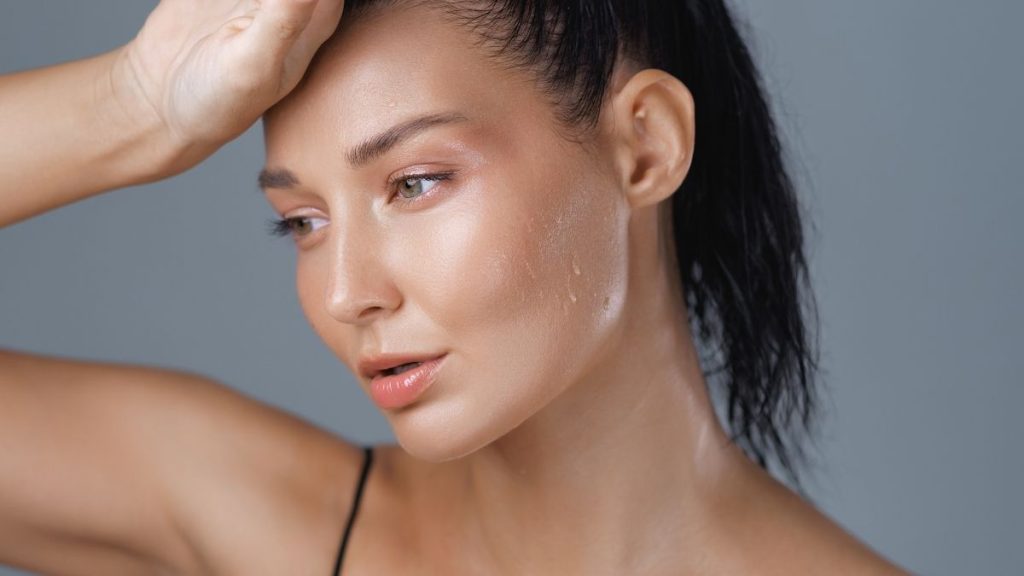
Sweating and facial blushing may occur at the same time during hot weather, exercise, stress, excitement, or embarrassment. Because both symptoms are associated with bodily responses controlled by the autonomic nervous system, there may be a relationship between them.
However, sweating and facial blushing are not the same condition. Sweating occurs when the sweat glands produce fluid. Facial blushing develops when blood vessels close to the surface of the skin widen and blood flow to the area increases.
In some people, warmth and redness of the face occur first, followed by sweating. Others may experience noticeable facial sweating without any redness. Similarly, skin conditions such as rosacea may cause facial redness without excessive sweating.
If sweating and facial blushing occur frequently, appear without an obvious cause, or affect a person’s social and professional life, the symptoms should be evaluated together. Treatment should be planned according to the underlying cause rather than only the visible redness or the amount of sweating.
What Is Facial Blushing?
Facial blushing is an increase in blood flow to the skin caused by the widening of small blood vessels in the facial area. Redness may be particularly noticeable on the cheeks, forehead, around the nose, ears, and neck.
Facial blushing may be accompanied by:
-
- A sudden sensation of warmth in the face
- Burning or stinging
- Redness of the neck and chest
- Increased heart rate
- Sweating
- Trembling
- Anxiety
- Skin sensitivity
Facial redness may be temporary or persistent. Redness lasting a few minutes during excitement may be a physiological response. Redness that continues throughout the day, is accompanied by visible blood vessels, or occurs with acne-like lesions may be associated with a dermatological condition such as rosacea.
Are Facial Blushing and Facial Sweating the Same Thing?
Facial blushing and facial sweating occur through different physiological mechanisms.
In facial sweating, the sweat glands on the forehead, scalp, upper lip, around the nose, cheeks, or neck become active. Sweating helps regulate body temperature. In primary craniofacial hyperhidrosis, excessive sweat may be produced even when the body does not need to cool down.
In facial blushing, the blood vessels of the skin are affected rather than the sweat glands. As the vessels widen, redness and warmth develop in the skin.
Although the two symptoms are different, they may be triggered by the same factors. For example, activation of the sympathetic nervous system during stress may both increase sweat gland activity and alter blood flow in the face.
Sweating and blushing may therefore occur at the same time. However, the presence of one symptom does not necessarily mean that the other will also occur.
Why Do Sweating and Facial Blushing Occur Together?
The body responds to temperature changes and emotional stimulation through the autonomic nervous system. This system controls involuntary functions such as heart rate, blood vessel width, sweat gland activity, and regulation of body temperature.
When temperature rises, blood vessels in the skin widen to help release heat from the body. At the same time, the sweat glands become active. Evaporation of sweat from the skin surface helps cool the body. During this process, both facial redness and sweating may occur.
Rapid changes in the autonomic nervous system may also occur during stress, embarrassment, fear, or excitement. The heart rate may increase, the face may feel warm, the skin may become red, and sweating may increase.
This shared nervous system response explains why the two symptoms frequently occur together.
What Is the Role of the Sympathetic Nervous System in Sweating and Facial Blushing?
The sympathetic nervous system is one of the systems that allows the body to respond rapidly to physical or emotional stimulation. Sympathetic activity may increase during danger, excitement, embarrassment, or stress.
The sweat glands are controlled by the sympathetic nervous system. In primary hyperhidrosis, the number of sweat glands is normal, but excessive nerve signals may be transmitted to them.
The control of facial blushing is more complex. The sympathetic nervous system influences several mechanisms involved in the widening and narrowing of blood vessels. Emotional blushing in particular is associated with a connection between the autonomic nervous system and the vascular response in the face.
Because both sweating and blushing are associated with the autonomic nervous system, they may occur together in the same person. However, sweating and blood vessel dilation do not take place through exactly the same nerve pathways.
For this reason, a treatment that reduces sweating may not always eliminate facial blushing. Similarly, treatments for facial redness may not control excessive sweating.
What Is Emotional Facial Blushing?
Emotional facial blushing is involuntary redness that occurs during embarrassment, excitement, anxiety, anger, feeling that attention is focused on oneself, or public speaking.
The redness may become noticeable on the:
-
- Cheeks
- Ears
- Forehead
- Neck
- Upper chest
Other physical symptoms may also occur, including sweating, palpitations, trembling of the hands, dry mouth, or difficulty speaking.
Emotional blushing is a natural human response. However, if it occurs very frequently, becomes intense, or causes the person to avoid social environments, it may become a problem that affects quality of life.
Can Fear of Facial Blushing Increase Sweating?
Worrying that the face will become red or sweaty may make the symptoms more likely to occur.
For example, a person may begin thinking that their face will turn red before entering a meeting. This thought increases anxiety. Anxiety stimulates the sympathetic nervous system. The face may then become red and sweating may begin. When the person notices the symptoms, their anxiety may increase further.
This may create the following cycle:
Expectation of blushing or sweating → anxiety → activation of the autonomic nervous system → blushing and sweating → awareness of the symptoms → increased anxiety
An intense and persistent fear of facial blushing is known as erythrophobia. The main problem in erythrophobia is not merely the change in skin colour. The person worries that others will notice the redness and judge it negatively.
This may lead to avoidance of social environments, meetings, interviews, or public speaking.
Does Excessive Facial Sweating Cause Facial Redness?
Excessive facial sweating may occur together with facial redness, but sweat itself does not directly widen the blood vessels and make the face red.
Shared factors such as increased body temperature, stress, or sympathetic nervous system activity may trigger both sweating and redness.
Constantly wiping the face, using a rough towel, or skin irritation caused by sweat may also lead to temporary redness. In people with sensitive skin, antiperspirant products may cause burning and redness.
The cause of redness in a person with excessive sweating is therefore not always the same. It may be related to:
-
- A common trigger that causes both sweating and redness
- Skin irritation
- A product being used
- Rosacea
- Emotional blushing
- Another medical condition
Does Facial Blushing Increase Sweating?
Facial blushing itself does not always increase sweating. However, the warmth and anxiety experienced during blushing may stimulate the sweat glands.
When a person notices that their face is red, they may feel warmer or believe that others can see it. This may increase sympathetic nervous system activity and trigger sweating.
In people with primary facial hyperhidrosis, even a minor emotional stimulus may develop into intense sweating. In these individuals, facial blushing may become a trigger that strengthens an existing tendency to sweat.
In Which Conditions Can Sweating and Facial Blushing Occur Together?
The combination of sweating and redness is not specific to one disease. It may occur in a range of situations, from natural everyday responses to certain health conditions.
Hot Weather and Exercise
In a hot environment or during exercise, body temperature rises. The body widens blood vessels in the skin and increases sweat production to reduce heat.
Facial redness, warmth, and sweating in this situation are generally natural responses. The symptoms are expected to decrease after resting and cooling down.
Stress, Excitement, and Embarrassment
Emotional situations are among the most common reasons for sweating and facial blushing to occur together.
Symptoms may arise during a job interview, meeting, examination, presentation, social event, or when meeting someone new. Redness and sweating usually decrease when the person relaxes.
The severity of symptoms varies between individuals. They may be more pronounced in people with primary hyperhidrosis or a fear of facial blushing.
Primary Craniofacial Hyperhidrosis
Primary craniofacial hyperhidrosis is excessive sweating of the face, forehead, and scalp that cannot be explained by another disease.
Facial sweating may sometimes be accompanied by blushing in these patients. However, redness does not occur in everyone.
In primary hyperhidrosis, sweating usually:
-
- Continues for a long time
- Occurs similarly on both sides of the face
- Is noticeable while awake
- Decreases during sleep
- May increase with stress
- May affect daily life
If facial blushing is also pronounced, the timing of both symptoms and which one affects the person more should be evaluated separately.
Rosacea
Rosacea is a chronic skin condition that particularly affects the central part of the face. It may cause temporary or persistent redness of the cheeks, nose, forehead, or chin.
Symptoms of rosacea may include:
-
- Recurrent facial flushing
- Persistent redness
- Visible small blood vessels
- Burning or stinging
- Skin sensitivity
- Acne-like bumps
- Dryness or irritation of the eyes
Heat, sunlight, stress, alcohol, spicy foods, and hot drinks may worsen rosacea symptoms. Because some of these triggers also increase sweating, both symptoms may appear at the same time.
However, rosacea is not directly a sweating disorder. Redness caused by rosacea and sweating caused by hyperhidrosis may require separate treatment.
Menopause and Hormonal Changes
Hot flashes during menopause may cause sudden warmth and redness of the face, neck, and chest. Intense sweating may occur at the same time.
Hot flashes may last for several minutes and may disrupt sleep when they occur at night. Pregnancy and other hormonal changes may also increase sweating and the sensation of warmth.
Symptoms caused by hormonal changes are usually not limited to the face.
Thyroid Disorders
An overactive thyroid gland may accelerate metabolism and increase body temperature. In this situation, the skin may feel warm and moist.
Sweating and facial redness may be accompanied by:
-
- Palpitations
- Trembling of the hands
- Weight loss
- Heat intolerance
- Restlessness
- Sleep problems
- Increased bowel movements
If these symptoms are present, thyroid function may need to be evaluated.
Low Blood Sugar
Low blood sugar may cause sweating, palpitations, trembling, hunger, dizziness, and weakness.
Some people may also experience facial colour changes or a sensation of warmth. Sudden sweating and confusion in a person receiving diabetes treatment require prompt evaluation.
Spicy Foods and Hot Drinks
Substances found in spicy foods may stimulate temperature receptors in the mouth and digestive system. This may cause facial redness, warmth, and sweating.
Very hot drinks may also affect temperature perception and produce similar symptoms.
This response is physiological in most people. However, if intense sweating and redness occur on one side of the face during nearly every meal, evaluation for gustatory sweating may be appropriate.
Alcohol Consumption
Alcohol may widen blood vessels in the skin and cause facial redness. It may also increase sweating by affecting temperature perception and autonomic nervous system responses.
The severity of symptoms may vary according to the amount consumed, the type of drink, the person’s metabolic characteristics, and the medications being used.
Medications
Some medications may cause sweating, facial flushing, or both symptoms.
These may include certain:
-
- Antidepressants
- Painkillers
- Hormone treatments
- Diabetes medications
- Blood pressure medications and vasodilators
- Corticosteroid treatments
- Medications affecting the nervous system
If symptoms begin after starting a new medication or changing the dose, the prescribing doctor should be informed. The medication should not be stopped suddenly without medical advice.
Frey Syndrome
In Frey syndrome, sweating, warmth, and redness occur in a particular area of the face while eating or even thinking about food.
This condition may develop after surgery involving the salivary gland in front of the ear, trauma, or nerve damage in the area. During healing, damaged nerve fibres may reconnect abnormally with sweat glands and blood vessels in the skin.
Symptoms of Frey syndrome usually:
-
- Occur on one side of the face
- Are noticeable in front of the ear and around the temple
- Are triggered by eating
- Include both sweating and redness
Not every episode of facial sweating during meals indicates Frey syndrome. The medical history and distribution of symptoms must be evaluated together.
Can Facial Sweating Occur Without Blushing?
Facial sweating may occur without redness.
In primary craniofacial hyperhidrosis, the main problem is increased nerve stimulation reaching the sweat glands. If there is no significant widening of the facial blood vessels, intense sweating may occur without a change in skin colour.
In some people, sweating is most noticeable on the:
-
- Forehead
- Scalp
- Around the nose
- Upper lip
- Neck
while facial colour remains normal.
The absence of redness therefore does not mean that excessive sweating is not hyperhidrosis.
Can Facial Blushing Occur Without Sweating?
Facial blushing may also occur without sweating.
Rosacea, sun damage, skin sensitivity, certain medications, and substances that directly widen blood vessels may cause redness without noticeable sweating.
Redness without sweating is sometimes described as dry flushing. Redness accompanied by sweating may be more closely related to temperature regulation or nervous system responses.
This distinction alone does not establish a diagnosis. However, it may help guide the doctor when investigating the cause of redness.
How Is the Cause of Sweating and Facial Blushing Determined?
During evaluation, the doctor investigates when the symptoms began, how long they last, and in which situations they occur.
Important questions include:
-
- Does sweating or redness begin first?
- Do the symptoms occur with stress?
- Do they increase with heat or exercise?
- Are they related to eating?
- Do they affect both sides of the face?
- Do the symptoms continue during sleep?
- Is there persistent facial redness or visible blood vessels?
- Are palpitations, trembling, or weight loss present?
- Is there diarrhoea, wheezing, or shortness of breath?
- Has the person previously undergone facial or salivary gland surgery?
- Has a new medication been started?
- To what extent do the symptoms affect social life?
During examination, the distribution of redness, skin structure, sweating areas, and accompanying findings are assessed.
Laboratory tests are not always necessary in primary hyperhidrosis or physiological blushing. If a secondary cause is suspected, blood sugar, thyroid function, or other tests may be requested according to the symptoms.
How Are Sweating and Facial Blushing Treated Together?
Treatment is based on identifying the underlying cause rather than attempting to suppress both symptoms at the same time.
If a natural trigger such as hot weather or spicy food is responsible, lifestyle adjustments may be sufficient. Rosacea requires dermatological treatment. In primary hyperhidrosis, methods that reduce sweat gland activity may be used. In emotional blushing and fear of blushing, psychological and medical approaches may be considered together.
More than one cause may be present in the same person. For example, someone with primary facial hyperhidrosis may also have rosacea or social anxiety. In such cases, controlling both symptoms with a single treatment may not be possible.
Does Controlling Triggers Help?
Identifying personal triggers may help reduce episodes of sweating and blushing.
Common triggers include:
-
- Hot environments
- Sudden temperature changes
- Sun exposure
- Spicy foods
- Hot drinks
- Alcohol
- Caffeine
- Intense exercise
- Stress
- Anxiety
- Harsh or irritating skincare products
Recording when symptoms occur may make it easier to identify personal triggers.
However, advising a person with primary hyperhidrosis or severe emotional blushing simply to “avoid stress” is not sufficient. Stress is not an optional feature that can be removed from life whenever convenient. Humanity has not released that update yet.
Do Treatments for Facial Sweating Also Reduce Redness?
Topical products, certain oral medications, or botulinum toxin injections may be considered in primary facial sweating.
These methods may reduce sweat gland activity. However, because facial blushing is related to the widening of blood vessels, reducing sweating does not necessarily mean that the redness will disappear completely.
Nevertheless, if sweating increases the person’s anxiety and anxiety triggers blushing, controlling the sweating may indirectly reduce episodes of redness.
Botulinum toxin may be used particularly to reduce sweating concentrated in a specific area. Because injections near facial muscles may affect facial expressions, the treatment area and dose must be planned carefully.
How Is Facial Redness Caused by Rosacea Treated?
Rosacea treatment begins with reducing personal triggers, using skincare products suitable for sensitive skin, and protecting the skin from the sun.
Depending on the type of redness and accompanying symptoms, treatment may include:
-
- Topical medications
- Oral medications
- Laser or light treatments for visible blood vessels
- Treatments for eye-related symptoms
Rosacea treatment is planned by a dermatologist. Treatments used for rosacea may not directly reduce excessive sweating. If hyperhidrosis is also present, a separate treatment plan may be necessary.
Is Psychological Support Helpful for Emotional Blushing and Sweating?
Psychological support may be an important part of treatment in emotional blushing, fear of blushing, or sweating associated with social anxiety.
Methods such as cognitive behavioural therapy may help the person:
-
- Evaluate thoughts related to blushing
- Question assumptions about how others will react
- Reduce avoidance behaviours
- Gradually return to social situations
- Manage the cycle of sweating and blushing
Recommending psychological support does not mean that the symptoms are imaginary or purely psychological. Facial blushing and sweating are genuine physiological responses. However, anxiety about these responses may increase their severity.
Medication treatment for social anxiety or physical stress symptoms may also be considered in suitable patients. Medication selection should be made by a doctor according to the person’s general health and accompanying conditions.
When Is Surgical Treatment Considered for Sweating and Facial Blushing?
Surgical treatment is not suitable for everyone who experiences facial sweating or blushing.
Endoscopic thoracic sympathetic surgery involves treating sympathetic nerve pathways through the chest cavity. Depending on the technique, the procedure may be described as sympathectomy, sympathicotomy, or ramicotomy.
Surgical treatment may be considered in selected patients who:
-
- Have primary craniofacial hyperhidrosis
- Experience severe and uncontrollable emotional facial blushing
- Have symptoms that seriously affect daily life
- Have not obtained sufficient benefit from appropriate non-surgical treatments
- Have had secondary causes excluded
- Understand the benefits and risks of surgery
If facial blushing is caused by rosacea, menopause, thyroid disease, medications, or another medical condition, sympathetic surgery is not planned directly.
Can Surgical Treatment Reduce Both Sweating and Facial Blushing?
Because sweating and emotional blushing are both associated with the sympathetic nervous system, both symptoms may decrease after surgery in appropriately selected patients.
However, results vary between individuals. A reduction in sweating does not guarantee that facial redness will disappear completely. Causes outside the sympathetic nervous system, such as rosacea or persistent skin redness, cannot be treated with this surgery.
The level of the nervous system treated is important when planning surgery for facial sweating and blushing. The likelihood of certain side effects may change when higher sympathetic levels are treated.
Surgery should therefore not be decided on the basis of the symptoms alone. The type of sweating and blushing must be evaluated in detail.
What Are the Risks of Surgery for Sweating and Facial Blushing?
One of the most important long-term consequences of endoscopic thoracic sympathetic surgery is compensatory sweating.
Compensatory sweating is increased sweating in other areas of the body after surgery. It may become noticeable on the:
-
- Back
- Chest
- Abdomen
- Waist
- Hips
- Legs
The severity of compensatory sweating varies from person to person. It may be mild in some people but may affect daily life in others.
Other possible risks include:
-
- Pain in the surgical area
- Bleeding
- Infection
- Air accumulation around the lung
- Changes in heart rate
- Excessive dryness of the face or hands
- Insufficient reduction in sweating or blushing
- Recurrence of symptoms over time
- Rare nerve complications affecting the eyelid and pupil
The risk of compensatory sweating should be considered particularly carefully when surgery is planned for facial blushing and craniofacial sweating.
When Should You See a Doctor for Sweating and Facial Blushing?
Medical evaluation may be appropriate if sweating and facial blushing occur frequently, affect daily life, or appear without an obvious cause.
A doctor should be consulted in the following situations:
-
- Symptoms begin suddenly
- Night sweating is present
- Redness becomes persistent
- Sweating and redness occur only on one side of the face
- One-sided symptoms appear while eating
- Palpitations, trembling, or weight loss accompany the symptoms
- Symptoms begin after starting a new medication
- Fever or significant weakness is present
- Symptoms cause avoidance of social life
- Work or daily life is noticeably affected
- Symptoms cannot be controlled despite attempted treatments
Urgent medical evaluation is required if redness and sweating are accompanied by shortness of breath, swelling of the throat, widespread itching, or hives, as these symptoms may indicate a serious allergic reaction.
Sudden sweating accompanied by chest pain, fainting, severe dizziness, changes in consciousness, or intense palpitations also requires emergency medical assessment.
Conclusion
Sweating and facial blushing occur through different mechanisms. Sweating results from sweat gland activity, while facial blushing develops because of the widening of blood vessels in the skin and increased blood flow to the area.
However, both symptoms may be associated with temperature changes, stress, excitement, exercise, hormonal changes, and autonomic nervous system activity. They may therefore occur at the same time.
The combination of sweating and facial blushing does not always indicate primary hyperhidrosis or a serious disease. Short-term symptoms occurring during hot weather, stress, or the consumption of spicy foods may be physiological.
If the symptoms continue for a long time, cannot be controlled, or affect quality of life, the underlying cause should be identified. Primary hyperhidrosis, emotional blushing, rosacea, hormonal changes, medication-related symptoms, and gustatory sweating should be distinguished from one another.
Treatment may include trigger control, dermatological treatments, methods that reduce sweating, psychological support, and surgical options in suitable patients. Surgery should be considered only in carefully selected patients who have not obtained sufficient benefit from non-surgical treatments.
Frequently Asked Questions About Sweating and Facial Blushing
1. Why Does Sweating Occur When the Face Becomes Red?
Facial blushing and sweating may be triggered by the same factors, such as stress, heat, or excitement. Because the autonomic nervous system affects both the blood vessels of the skin and the sweat glands, the two symptoms may occur together.
2. Does Excessive Facial Sweating Cause Facial Redness?
Sweat itself does not directly widen facial blood vessels. However, heat, stress, or nervous system activity that triggers sweating may also cause redness. Constantly wiping the face or using certain products may also cause skin irritation and redness.
3. Is Facial Blushing a Sign of Hyperhidrosis?
Facial blushing alone is not a sign of hyperhidrosis. In primary facial hyperhidrosis, redness may accompany excessive sweating, but some patients sweat without any change in facial colour.
4. Can Stress Cause Both Sweating and Facial Blushing?
Stress may stimulate the sympathetic nervous system and alter heart rate, sweat gland activity, and the vascular response in the face. Sweating and facial blushing may therefore occur together during stress.
5. Does Rosacea Cause Facial Sweating?
Rosacea is mainly associated with facial redness, visible blood vessels, and skin sensitivity. It is not a direct cause of hyperhidrosis. However, common triggers such as heat and stress may increase both rosacea symptoms and sweating at the same time.
6. Is It Normal for the Face to Sweat and Become Red While Eating?
Sweating and redness may occur after eating spicy or very hot foods. Evaluation for Frey syndrome may be appropriate if symptoms occur with all types of food, affect only one side of the face, or develop after salivary gland surgery.
7. Can Fear of Facial Blushing Be Treated?
Intense fear of facial blushing may be managed with psychological support, cognitive behavioural therapy, and medication in suitable patients. Treatment aims to reduce anxiety about blushing and avoidance of social situations.
8. Does Botulinum Toxin Reduce Both Sweating and Redness?
Botulinum toxin may control sweating by reducing nerve signals reaching the sweat glands. Because facial blushing is related to blood vessel dilation, its effect on redness may not be equally strong.
9. Can Sweating and Facial Blushing Be Completely Stopped with Surgery?
In appropriately selected patients, sympathetic surgery may significantly reduce primary facial sweating and emotional blushing. However, complete elimination cannot be guaranteed in every patient. Compensatory sweating and other surgical risks must be evaluated before the operation.
10. Which Doctor Should Be Consulted for Sweating and Facial Blushing?
The initial evaluation may be performed by dermatology, internal medicine, or family medicine. Depending on the cause, assessment by endocrinology, neurology, or psychiatry may be necessary. Patients considering surgical treatment for primary hyperhidrosis or uncontrollable emotional blushing may be evaluated by a thoracic surgeon.