What Is Surgery for Excessive Sweating?
20/08/2026
What Is Emphysema? What Is Its Relationship with COPD?
27/08/2026
COPD stands for chronic obstructive pulmonary disease. It is a chronic respiratory disease characterised by persistent and progressive limitation of airflow in the lungs. It most commonly develops due to long-term inhalation of harmful particles such as cigarette smoke, air pollution, occupational dust, and chemical exposure.
The main problem in COPD is that air has difficulty moving in and out of the lungs. The person especially struggles while breathing out. Over time, this may cause shortness of breath, chronic cough, sputum production, wheezing, reduced exercise capacity, and repeated exacerbations.
COPD usually progresses slowly. For this reason, many people initially attribute the symptoms to ageing, smoking, poor fitness, or weight gain. Difficulty climbing stairs, inability to walk quickly, or morning sputum may be ignored for a long time.
COPD is not diagnosed based only on symptoms. To confirm the diagnosis, a pulmonary function test called spirometry is required. After a bronchodilator medication is given, an FEV1/FVC ratio below a defined threshold indicates persistent airflow limitation.
COPD being considered advanced stage is not determined simply by saying “the patient coughs a lot” or “there is shortness of breath.” Advanced-stage assessment considers spirometry, FEV1 value, degree of breathlessness, frequency of exacerbations, history of hospitalisation, low oxygen levels, high carbon dioxide levels, exercise capacity, weight loss, muscle weakness, and accompanying heart-lung problems together.
What Does COPD Mean?
COPD means chronic obstructive pulmonary disease.
There are three important concepts in this term.
Chronic means that the disease is long-term. COPD usually develops over years and is not considered a short-term infection that completely disappears.
Obstructive means that there is narrowing in the airways and limitation of airflow. The person cannot breathe air out of the lungs comfortably, especially during exhalation.
Pulmonary disease means that the problem may affect the bronchi, small airways, and lung tissue together.
COPD is not a single uniform condition. In some patients, chronic bronchitis features are more prominent, while in others emphysema is more dominant. In many patients, these two patterns exist together in different proportions.
What Happens in the Lungs in COPD?
Several main changes may occur in the lungs in COPD.
Chronic inflammation develops in the airways. This may cause thickening and narrowing of the bronchial walls and increased mucus production.
Narrowing and obstruction develop in the small airways. This makes it especially difficult to breathe air out of the lungs.
The air sacs in the lung tissue may become damaged. This is called emphysema. When the structure of the air sacs is disrupted, the transfer of oxygen into the blood and removal of carbon dioxide may become more difficult.
Air trapping may develop inside the lungs. The patient cannot fully empty the lungs while breathing out and begins the next breath with lungs that are already partially inflated. This may increase shortness of breath.
Over time, the respiratory muscles have to work harder. Especially in advanced stages, the person may become breathless even during simple daily activities.
What Is Chronic Bronchitis?
Chronic bronchitis is a condition characterised by long-term cough and sputum production.
In the classic definition, cough and sputum lasting for at least three months each year for at least two consecutive years are considered meaningful for chronic bronchitis. However, in clinical assessment, not only this duration but also the patient’s overall respiratory findings and spirometry results are considered.
In chronic bronchitis, the inner lining of the bronchi becomes irritated and inflamed and produces more mucus. This may cause:
-
- Morning sputum production
- Cough during the day
- Feeling of fullness in the chest
- Wheezing
- Frequent respiratory infections
- Increased sputum amount
Chronic bronchitis may be part of COPD. However, not every chronic cough means COPD. Asthma, bronchiectasis, reflux, sinusitis, medication side effects, and other lung diseases may also cause chronic cough.
What Is Emphysema?
Emphysema is damage to the structure of the air sacs in the lungs.
Normally, air sacs help oxygen pass into the blood and carbon dioxide leave the body. In emphysema, the walls of these sacs are damaged and the elastic recoil of the lungs decreases.
As a result:
-
- Breathing out becomes difficult.
- Air trapping occurs in the lungs.
- The chest may appear expanded.
- Shortness of breath increases during exertion.
- Oxygen exchange may be impaired.
- Low oxygen levels may develop in advanced stages.
Emphysema may sometimes be clearly visible on chest CT. However, imaging alone is not enough to diagnose COPD. Airflow limitation must be shown with pulmonary function testing.
What Causes COPD?
The most important cause of COPD is long-term exposure to cigarette smoke. Smoking is the best-known risk factor for COPD. However, COPD does not occur only in smokers.
Factors that may increase the risk of COPD include:
-
- Smoking
- Passive cigarette smoke exposure
- Pipe, cigar, and other tobacco products
- Biomass smoke
- Heating or cooking with wood, coal, or dung
- Air pollution
- Occupational dust exposure
- Chemical fumes
- Certain occupations such as mining, textile work, metal work, construction, and agriculture
- Frequent respiratory infections during childhood
- Low birth weight or lung development problems
- History of asthma
- Genetic susceptibility
- Alpha-1 antitrypsin deficiency
The combination of risk factors may increase the likelihood of disease development. For example, a person who smokes and is also exposed to occupational dust may have a higher risk.
Can COPD Occur in Non-Smokers?
Yes. COPD can also develop in people who have never smoked.
Non-smoking causes include:
-
- Passive cigarette smoke
- Indoor air pollution
- Biomass fuel use
- Occupational dust and chemical exposure
- Outdoor air pollution
- Previous lung infections
- Asthma and airway hyperresponsiveness
- Genetic causes
- Alpha-1 antitrypsin deficiency
For this reason, the idea “I have never smoked, so I cannot have COPD” is not correct. COPD may be considered especially in people with long-term exposure to smoke, dust, chemicals, or polluted air.
What Are the Symptoms of COPD?
COPD symptoms may begin slowly and subtly.
The most common symptoms include:
-
- Shortness of breath
- Getting tired quickly with exertion
- Chronic cough
- Sputum production
- Wheezing
- Feeling of tightness in the chest
- Frequent respiratory infections
- Difficulty climbing stairs
- Inability to walk quickly
- Morning productive cough
- Shortness of breath in cold weather
- Reduced performance in daily tasks
In advanced stages, symptoms may become more obvious:
-
- Shortness of breath at rest
- Running out of breath while speaking
- Fatigue even after short distances
- Difficulty while dressing or bathing
- Bluish discolouration
- Swelling in the ankles
- Weight loss
- Muscle wasting
- Loss of appetite
- Sleep disturbance
- Frequent hospital visits
- Need for oxygen
The severity of symptoms does not always match pulmonary function test results exactly. Some patients may have significant breathlessness even when FEV1 is moderately reduced. Others may have advanced test impairment but continue daily life by limiting their activity.
How Is COPD Diagnosed?
COPD diagnosis is based on the patient’s symptoms, risk factors, examination findings, and pulmonary function testing together.
The diagnostic process may include:
-
- Smoking and tobacco use
- Passive smoke exposure
- Occupational dust and chemical history
- Indoor smoke or biomass exposure
- Chronic cough
- Sputum
- Shortness of breath with exertion
- History of frequent bronchitis or pneumonia
- Family history of lung disease
- History of asthma
- Pulmonary function test
- Chest X-ray
- Computed tomography when necessary
- Oxygen saturation
- Blood gas analysis
- Exercise capacity assessment
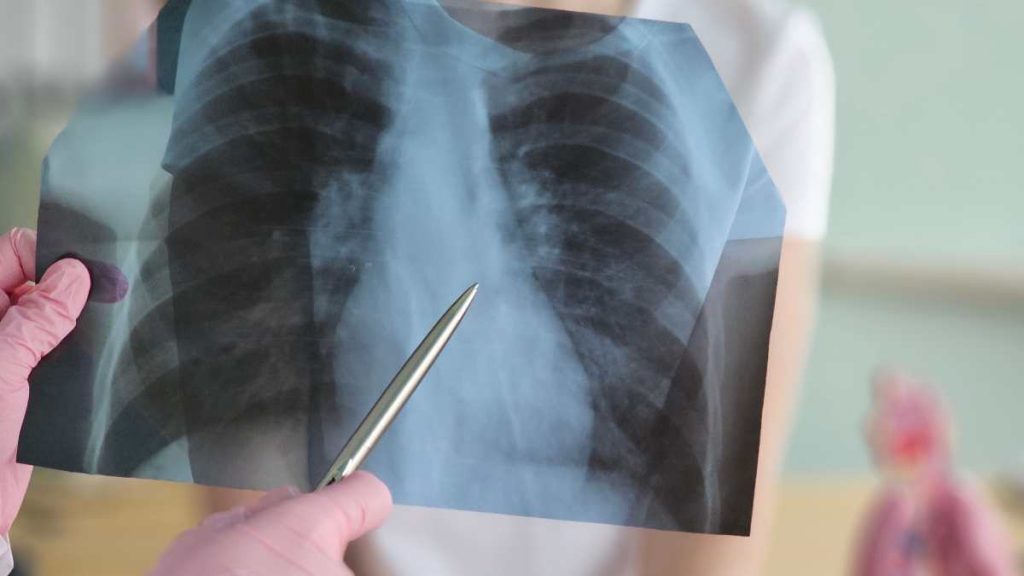
COPD is not diagnosed only with a chest X-ray. Chest X-ray may help rule out other diseases or show additional findings. However, the main test for COPD diagnosis is spirometry.
What Is Spirometry?
Spirometry is also known as a pulmonary function test. It is performed by asking the patient to take a deep breath and then breathe out forcefully and quickly into a device.
Spirometry assesses the amount of air entering and leaving the lungs, airflow speed, and narrowing in the airways.
The most important measurements for COPD are:
-
- FEV1
- FVC
- FEV1/FVC ratio
FEV1 is the amount of air a person can blow out in the first second.
FVC is the total amount of air a person can forcefully breathe out after taking a deep breath.
The FEV1/FVC ratio helps show whether there is airflow obstruction.
For COPD diagnosis, a post-bronchodilator FEV1/FVC ratio below 0.70 is the main criterion for persistent airflow limitation. However, the diagnosis should not be made by looking only at the number; symptoms and risk factors should also be considered.
Why Is Post-Bronchodilator Testing Performed?
A bronchodilator is an inhaled medication that temporarily widens the airways.
Spirometry may be performed before and after a bronchodilator. In COPD diagnosis, what matters is whether airflow limitation continues after the bronchodilator.
This approach helps distinguish COPD from airway diseases such as asthma, which may be more variable and reversible.
However, COPD and asthma may coexist in some patients. Therefore, test results should be evaluated together with age, symptoms, history, allergy status, smoking history, CT findings, and treatment response.
What Are the Stages of COPD?
COPD staging is performed under several different headings.
The first is the degree of airflow limitation based on spirometry. This is usually expressed as GOLD 1, GOLD 2, GOLD 3, and GOLD 4.
What Is GOLD 1 COPD?
GOLD 1 means mild airflow limitation. FEV1 may be 80% or more of the predicted value.
In this stage, some patients have few symptoms. However, cough, sputum, or shortness of breath with exertion may occur.
Calling it mild stage does not mean the disease is unimportant. Smoking cessation, avoiding risk factors, vaccination, exercise, and correct follow-up are very important during this stage.
What Is GOLD 2 COPD?
GOLD 2 means moderate airflow limitation. FEV1 may be between 50% and 79% of the predicted value.
In this stage, shortness of breath may become more noticeable. The patient may struggle when climbing stairs, walking quickly, or carrying loads.
Many COPD patients first consult a doctor during this period because daily life starts to become limited. People enjoy convincing themselves that “my fitness has just declined” until lung capacity has already fallen; a classic human defence mechanism.
What Is GOLD 3 COPD?
GOLD 3 means severe airflow limitation. FEV1 may be between 30% and 49% of the predicted value.
In this stage, shortness of breath affects daily life more clearly. The patient may have to slow down while walking on level ground, may struggle significantly with stairs, and may experience frequent exacerbations.
GOLD 3 is one of the important thresholds at which COPD may be considered advanced stage. However, the decision that the disease is advanced is not based only on FEV1. Symptoms, exacerbation frequency, oxygen level, and daily functional capacity are also evaluated.
What Is GOLD 4 COPD?
GOLD 4 means very severe airflow limitation. FEV1 may be below 30% of the predicted value.
In some patients, even if FEV1 is above 30%, the disease may still be considered advanced if respiratory failure, low oxygen levels, high carbon dioxide levels, or serious clinical findings are present.
In GOLD 4:
-
- Shortness of breath may be very pronounced.
- Daily activities may be seriously limited.
- Exacerbation risk may increase.
- Hospital admissions may occur.
- Oxygen therapy may be required.
- Respiratory failure may develop.
- Quality of life may be severely affected.
At this stage, treatment is not only about adjusting medication. Pulmonary rehabilitation, oxygen assessment, nutrition, exacerbation prevention, advanced treatment options, and life planning should be considered together.
Is FEV1 Alone Enough in COPD?
No. FEV1 is important in COPD assessment, but it is not sufficient on its own.
Two patients with the same FEV1 may have completely different quality of life. One patient may continue daily activities, while another may have to stop even after a short distance.
For this reason, COPD assessment uses the following information together:
-
- FEV1 value
- FEV1/FVC ratio
- Degree of breathlessness
- Symptom scores such as CAT or CAAT
- mMRC breathlessness scale
- Number of exacerbations
- History of hospitalisation
- Oxygen saturation
- Blood gas analysis
- Exercise capacity
- CT findings
- Accompanying heart disease
- Weight and muscle status
- Independence in daily life
COPD staging is used to guide treatment and risk assessment. However, the patient is not just a test result. Astonishing, yes, but the human body still refuses to fit neatly into an Excel sheet.
What Do Groups A, B, and E Mean in COPD?
In current COPD assessment, patients are grouped not only according to FEV1 but also according to symptom burden and exacerbation risk.
This grouping is generally described as A, B, and E.
What Is Group A COPD?
Group A includes patients with lower symptom burden and lower exacerbation risk.
In these patients, breathlessness and daily life impairment may be limited. There is usually no history of frequent exacerbations or hospitalisation in the previous year.
What Is Group B COPD?
Group B includes patients with greater symptom burden but not necessarily very high exacerbation risk.
In these patients, shortness of breath, daily activity limitation, fatigue, and quality-of-life impairment are more noticeable. Treatment planning focuses on symptom control.
What Is Group E COPD?
Group E refers to patients at high risk of exacerbations.
This group may include patients who have had frequent exacerbations or hospital admission in the previous year. Exacerbations may accelerate disease progression, worsen lung function, and seriously reduce quality of life.
In Group E, the goal is not only to reduce daily breathlessness. Preventing exacerbations, reducing hospital admissions, and managing long-term risk are also key aims.
When Is COPD Considered Advanced Stage?
COPD may be considered advanced stage in several situations.
In general, COPD may be considered advanced when:
-
- FEV1 has fallen below 50% of the predicted value
- GOLD 3 or GOLD 4 airflow limitation is present
- There is shortness of breath that significantly affects daily life
- Walking short distances becomes difficult
- Breathlessness occurs while dressing, bathing, or moving around the home
- Frequent exacerbations occur
- Exacerbations require hospitalisation
- Oxygen level is low
- Carbon dioxide level is high
- Long-term oxygen therapy is needed
- Pulmonary hypertension or right heart failure develops
- Weight loss and muscle wasting are present
- Exercise capacity is greatly reduced
- Dependence on others in daily life increases
For this reason, advanced-stage COPD does not simply mean “the breathing test is poor.” Pulmonary function, the patient’s functional capacity, and systemic effects are evaluated together.
How Is Advanced COPD Understood According to FEV1?
According to spirometry, advanced COPD is usually associated with GOLD 3 and GOLD 4 levels.
In GOLD 3, FEV1 is between 30% and 49% of the predicted value. This is considered severe airflow limitation.
In GOLD 4, FEV1 is below 30% of the predicted value. This is very severe airflow limitation.
However, an FEV1 below 50% does not explain the whole picture by itself. The patient’s breathlessness, oxygen status, exacerbations, and daily life impairment must also be assessed.
How Is Advanced COPD Understood According to Shortness of Breath?
In advanced COPD, shortness of breath significantly limits daily life.
The patient may:
-
- Walk more slowly than peers on level ground.
- Need to stop and rest after short distances.
- Struggle noticeably when climbing stairs.
- Become breathless while dressing or bathing.
- Need to pause even while moving around the house.
- Need to catch their breath while speaking.
- Avoid going outside.
- Reduce daily activities.
The mMRC breathlessness scale may be used in this assessment. This scale helps understand how much breathlessness limits daily activities.
Shortness of breath is not related only to lung function. Heart disease, anaemia, muscle loss, weight, deconditioning, and anxiety may also increase breathlessness. For this reason, advanced-stage assessment should be holistic.
How Is Advanced COPD Understood According to Exacerbation Frequency?
A COPD exacerbation is a clear worsening of respiratory symptoms beyond normal day-to-day variation.
During an exacerbation:
-
- Shortness of breath may increase.
- Sputum amount may increase.
- Sputum colour may darken.
- Cough may worsen.
- Wheezing may become more noticeable.
- Fever or weakness may occur.
- Oxygen may drop.
- Emergency care may be needed.
- Hospitalisation may be needed.
Frequent exacerbations in the previous year or hospitalisation due to exacerbation indicate that the disease is in a higher-risk group.
Exacerbations are important in COPD because each exacerbation may cause permanent loss of lung function, reduced quality of life, and increased hospitalisation risk.
In advanced COPD, exacerbations may be more frequent, more severe, and more difficult to recover from.
Is Low Oxygen a Sign of Advanced COPD?
Yes. Low oxygen levels may be one of the important findings of advanced COPD.
Normally, the lungs transfer oxygen into the blood and remove carbon dioxide from the body. As COPD progresses, this gas exchange may become impaired.
Low oxygen may cause:
-
- Shortness of breath
- Weakness
- Easy fatigue
- Bluish discolouration
- Headache
- Sleep disturbance
- Reduced concentration
- Reduced exercise capacity
- Increased strain on the heart
Oxygen saturation can be measured from the fingertip. However, the decision for long-term oxygen therapy is not made based on a single fingertip measurement. Assessment should be performed in a stable period, under appropriate conditions, and with blood gas measurement when necessary.
What Does High Carbon Dioxide Mean?
In advanced COPD, not only low oxygen but also high carbon dioxide levels may develop.
Carbon dioxide is a metabolic waste gas and is normally removed through breathing. When the lungs cannot ventilate adequately, carbon dioxide may accumulate in the blood.
High carbon dioxide may be associated with:
-
- Morning headache
- Drowsiness
- Dazed feeling
- Confusion
- Shortness of breath
- Palpitations
- Muscle weakness
- Respiratory failure during exacerbation
High carbon dioxide is assessed with a blood gas test. In some patients with advanced COPD, respiratory support such as non-invasive ventilation may be considered.
When Is Long-Term Oxygen Therapy Needed?
Long-term oxygen therapy is not given to every patient with COPD. It is evaluated only in patients who meet specific criteria for chronic low oxygen levels.
Oxygen therapy may generally be considered when:
-
- Persistent low oxygen is present at rest
- Oxygen pressure in blood gas is below a defined level
- Low oxygen has increased strain on the heart
- Findings of pulmonary hypertension are present
- Right heart failure has developed
- Significant desaturation occurs during exertion or sleep
The decision for long-term oxygen therapy is made by a physician. Oxygen equipment should not be used randomly with the logic of “I feel breathless, I will just turn it on.” Oxygen is a medication; just because it is at home does not make it a decorative object.
Are Pulmonary Hypertension and Right Heart Failure Signs of Advanced Stage?
Yes. As COPD progresses, pressure in the blood vessels of the lungs may increase. This is called pulmonary hypertension.
Increased pressure in the lung vessels may force the right side of the heart to work harder. Over time, right heart failure may develop.
Symptoms may include:
-
- Swelling in the ankles
- Leg oedema
- Abdominal swelling
- Easy fatigue
- Increased shortness of breath
- Bluish discolouration
- Prominent neck veins
These findings may suggest more serious systemic effects in advanced COPD. Because they may overlap with heart disease, assessment by both pulmonology and cardiology may be needed.
Can Weight Loss and Muscle Wasting Occur in Advanced COPD?
Yes. Advanced COPD should not be considered a disease that affects only the lungs. It may affect the whole body.
In advanced stages, some patients may experience:
-
- Weight loss
- Loss of appetite
- Reduced muscle mass
- Weakness in leg muscles
- Reduced exercise capacity
- Fatigue
- Depressive symptoms
- Sleep disturbance
The energy spent on breathing increases. At the same time, loss of appetite, inflammation, inactivity, and exacerbations may accelerate muscle loss.
As muscle strength decreases, the person moves less. As they move less, the muscles become even weaker. This creates a cycle in which breathlessness and inactivity reinforce each other.
Why Is Exercise Capacity Important in COPD?
Exercise capacity is very valuable for understanding how COPD affects daily life.
Even if test results are similar, walking distance, ability to climb stairs, and daily activity level may differ greatly between patients.
Exercise capacity may be assessed using:
-
- Six-minute walk test
- Stair-climbing tolerance
- Daily activity questioning
- Pulmonary rehabilitation assessment
- Oxygen saturation monitoring
- Breathlessness scales
In advanced COPD, the person may need to stop after a short distance. Oxygen levels may fall during exertion. This affects treatment planning.
Pulmonary rehabilitation may help reduce breathlessness, improve exercise capacity, and enhance quality of life even in advanced stages.
Are Advanced COPD and End-Stage COPD the Same Thing?
No. Advanced COPD and end-stage COPD should not be used as if they mean the same thing.
Advanced COPD means that the disease has features such as significant loss of lung function, severe symptoms, frequent exacerbations, or oxygen need.
End-stage COPD describes a more severe condition. At this stage, life expectancy, treatment response, frequent hospitalisation, respiratory failure, level of dependence in daily life, and need for palliative care may come into discussion.
Not every GOLD 3 patient is end-stage. Not every patient using oxygen should automatically be described as “end-stage.” These terms should be used carefully.
What Are the Symptoms of End-Stage COPD?
Symptoms may be more severe in end-stage COPD.
Possible findings include:
-
- Shortness of breath even at rest
- Difficulty even with very short distances
- Running out of breath while speaking
- Frequent hospitalisations
- Recurrent respiratory failure
- Continuous need for oxygen therapy
- High carbon dioxide levels
- Weight loss
- Muscle wasting
- Loss of appetite
- Bluish discolouration
- Swelling in the feet
- Sleep disturbance
- Dependence in daily tasks
- Slow recovery after exacerbations
This picture varies from patient to patient. The term end-stage should not be based only on a test result but on clinical progression and the patient’s overall condition.
Does a COPD Exacerbation Mean Progression to Advanced Stage?
A single exacerbation does not mean that COPD has immediately progressed to advanced stage. However, frequent and severe exacerbations indicate that the disease has become higher risk.
Exacerbations are especially important when:
-
- Two or more moderate-to-severe exacerbations occur in a year
- An exacerbation requires hospitalisation
- Recovery to the previous level becomes difficult after an exacerbation
- Oxygen need increases
- Blood gas worsens
- Need for antibiotics and corticosteroids becomes frequent
- Intensive care or respiratory support has been required
In such cases, treatment should be rearranged, inhaler use should be checked, vaccinations should be reviewed, and pulmonary rehabilitation and advanced treatment options should be considered.
How Does COPD Progress to Advanced Stage?
COPD progression varies from person to person. In some people, the disease progresses slowly for years, while in others it may worsen more quickly.
Factors that may accelerate progression include:
-
- Continuing to smoke
- Ongoing exposure to dust and chemicals
- Air pollution
- Frequent exacerbations
- Poor treatment adherence
- Incorrect inhaler technique
- Physical inactivity
- Neglecting vaccinations
- Accompanying heart diseases
- Poor nutrition
- Alpha-1 antitrypsin deficiency
- Late diagnosis
- Lack of access to pulmonary rehabilitation
COPD may be progressive, but the speed of progression can be modified. Smoking cessation, correct inhaler treatment, vaccinations, rehabilitation, and prevention of exacerbations may positively affect the course of the disease.
Can COPD Be Stopped Before It Becomes Advanced?
Some structural lung damage that has already occurred in COPD may not be fully reversible. However, disease progression can be slowed, symptoms can be reduced, and exacerbations can be prevented.
The most important steps include:
-
- Complete smoking cessation
- Avoiding passive smoke
- Protection from occupational dust and chemicals
- Correct inhaler treatment
- Regular checking of inhaler technique
- Influenza, pneumococcal, and other appropriate vaccinations
- Pulmonary rehabilitation
- Regular physical activity
- Nutritional support
- Early recognition of exacerbation symptoms
- Treatment of accompanying diseases
- Regular pulmonology follow-up
Progression to advanced stage may not always be completely prevented. However, with correct follow-up and treatment, quality of life can be preserved in many patients.
What Is the Aim of COPD Treatment?
The aim of COPD treatment is not to “completely eliminate” the disease. The goals are to reduce symptoms, prevent exacerbations, increase daily functional capacity, and slow disease progression.
Treatment aims include:
-
- Reducing shortness of breath
- Controlling cough and sputum
- Increasing exercise capacity
- Reducing exacerbations
- Reducing hospital admissions
- Managing low oxygen
- Improving quality of life
- Treating accompanying diseases
- Teaching correct inhaler use
- Supporting smoking cessation
- Planning appropriate support in advanced stages
COPD treatment should be individualised. Two patients with the same spirometry value may have different treatment needs.
How Is Advanced COPD Treatment Planned?
Treatment of advanced COPD is planned in a multidimensional way.
Treatment areas may include:
-
- Long-acting bronchodilator medications
- Inhaler combination therapies
- Assessment of inhaled corticosteroids according to exacerbation risk
- Pulmonary rehabilitation
- Assessment for long-term oxygen therapy
- Assessment for non-invasive ventilation
- Vaccinations
- Smoking cessation support
- Nutritional support
- Exercise to preserve muscle strength
- Exacerbation action plan
- Treatment of accompanying heart diseases
- Lung volume reduction procedures
- Selected advanced procedures such as bronchoscopic valve treatment
- Lung transplantation assessment
- Palliative care and symptom control
The same treatment is not applied to every patient with advanced COPD. Treatment is determined according to disease type, emphysema distribution, exacerbation history, oxygen level, age, general health status, and the patient’s goals.
Does Pulmonary Rehabilitation Work in Advanced COPD?
Yes. Pulmonary rehabilitation is one of the most important parts of COPD treatment. It may be useful even in advanced stages.
Pulmonary rehabilitation programmes usually include:
-
- Exercise training
- Breathing techniques
- Energy conservation methods
- Disease education
- Nutritional support
- Psychosocial support
- Exacerbation awareness
- Inhaler technique education
Pulmonary rehabilitation may not completely eliminate breathlessness. However, it may help the person move with less fear, increase muscle strength, improve exertion capacity, and remain more independent in daily life.
Do Inhaler Medications Reverse Advanced COPD?
Inhaler medications do not completely eliminate COPD. However, by widening the airways, they may reduce breathlessness, improve exercise capacity, and reduce exacerbations.
In advanced stages, inhaler treatment is usually arranged more carefully. Long-acting bronchodilators, different medication combinations, and inhaled corticosteroids according to exacerbation risk may be considered.
For inhaler medications to work, they must be used with correct technique. An incorrectly used inhaler turns into an expensive plastic object. If the medication does not reach the lungs, treatment naturally fails to do its job.
For this reason, inhaler technique should be reviewed at follow-up visits.
Is Oxygen Used for Every Shortness of Breath in COPD?
No. Oxygen therapy is not given to every COPD patient with breathlessness.
Shortness of breath may sometimes increase because of air trapping, muscle weakness, deconditioning, heart disease, anaemia, or anxiety. Oxygen may be necessary only when blood oxygen levels fall below certain thresholds.
The decision for long-term oxygen therapy is based on:
-
- Oxygen saturation
- Arterial blood gas
- Measurements during the stable period
- Oxygen status during exertion and sleep
- Pulmonary hypertension or right heart strain
- Clinical assessment
In the right patient, oxygen may be important for quality of life and survival. Unnecessary or incorrect use may be ineffective, costly, and sometimes risky.
Are There Bronchoscopic Treatments in Advanced COPD?
Bronchoscopic lung volume reduction treatments may be considered in selected patients with advanced emphysema. These are not suitable for every COPD patient.
In methods such as bronchoscopic valve treatment, the aim is to reduce the volume of overinflated and poorly functioning lung areas so that healthier areas can work more effectively.
Suitability assessment considers:
-
- Distribution of emphysema
- CT findings
- Fissure integrity
- Collateral ventilation
- Pulmonary function tests
- Exercise capacity
- Oxygen status
- Exacerbation history
- General health status
These treatments are evaluated in advanced centres and selected patients. Decisions are not made with the simplistic logic of “COPD is advanced, so let’s insert a valve.” Medicine does occasionally manage to be selective.
Is Lung Transplantation Considered in Advanced COPD?
In very advanced COPD, lung transplantation may be considered in selected suitable patients. However, this is a highly specialised process.
Advanced COPD alone is not enough for lung transplantation.
Assessment includes:
-
- Age
- General health status
- Heart function
- Cancer history
- Infection risk
- Nutritional status
- Muscle strength
- Smoking cessation status
- Treatment adherence
- Psychosocial support
- Accompanying diseases
Lung transplantation is not suitable for every patient with advanced COPD. Suitable patients are evaluated in detail by pulmonology and transplant centres.
How Is Quality of Life Preserved in Advanced COPD?
In advanced COPD, the aim is not only to improve test values. It is important that the patient can maintain daily life, experience fewer exacerbations, and move more safely.
To preserve quality of life:
-
- Medications should be used regularly.
- Inhaler technique should be correct.
- Smoking should be stopped completely.
- Pulmonary rehabilitation should be considered.
- Light daily movement should be maintained.
- Nutritional support should be obtained.
- Vaccinations should be completed.
- Exacerbation signs should be recognised early.
- Indoor air quality should be improved.
- Dust, smoke, and strong odours should be avoided.
- Oxygen therapy, if needed, should be used correctly.
- Anxiety and sleep problems should be addressed.
- Social support should be planned.
In advanced COPD, inactivity often makes the disease harder to manage. Obviously, the aim is not to run a marathon, but to maintain safe movement within the person’s capacity.
When Is Advanced COPD an Emergency?
Some symptoms in COPD patients require urgent assessment.
Emergency care may be needed in the following situations:
-
- Sudden and marked increase in shortness of breath
- Breathlessness at rest
- Bluish lips or fingers
- Confusion
- Excessive drowsiness
- Difficulty speaking
- Chest pain
- High fever
- Blood in sputum
- Marked change in sputum amount and colour
- Significant drop in oxygen saturation
- Palpitations and faintness
- Worsening despite home medications
- A more severe or different picture compared with previous exacerbations
In advanced COPD, exacerbations may become severe more quickly. For this reason, the patient and relatives should know the emergency warning signs.
Which Doctor Should Be Consulted for COPD?
The main specialty for COPD diagnosis and follow-up is pulmonology.
Initial assessment may be performed by a family physician or internal medicine specialist. However, pulmonology assessment is important for spirometry, treatment planning, exacerbation risk, oxygen need, and advanced treatment options.
In advanced stages, different specialties may also be involved:
-
- Cardiology
- Physical medicine and rehabilitation
- Nutrition and dietetics
- Psychiatry or psychology
- Thoracic surgery
- Intensive care
- Palliative care
- Transplant centre
COPD is a long-term disease. It is not a process that ends with a single prescription. Follow-up is at least as important as medication.
Conclusion
COPD is a chronic and progressive lung disease characterised by persistent airflow limitation in the airways. Although it is most commonly associated with cigarette smoke, passive smoke exposure, air pollution, occupational dust and chemical exposure, biomass smoke, and genetic causes may also play a role in COPD development.
COPD may cause shortness of breath, chronic cough, sputum production, wheezing, reduced exercise capacity, and frequent respiratory infections. Symptoms and risk factors are important, but definitive assessment is performed with spirometry.
COPD being considered advanced stage is not based on a single symptom or one test result. FEV1 falling below 50%, GOLD 3 or GOLD 4 airflow limitation, breathlessness that significantly limits daily life, frequent exacerbations, hospital admissions, low oxygen, high carbon dioxide, pulmonary hypertension, right heart failure, weight loss, and muscle wasting are important findings for advanced-stage COPD.
Advanced COPD and end-stage COPD are not the same. In advanced COPD, the disease may have reached a serious level, but treatment, rehabilitation, oxygen assessment, exacerbation prevention, and strategies to improve quality of life remain important.
One of the most critical steps in COPD treatment is smoking cessation. Correct inhaler treatment, vaccinations, pulmonary rehabilitation, physical activity, nutritional support, early management of exacerbations, and regular follow-up may also positively influence the course of the disease.
Treatment in advanced COPD should be individualised. The patient’s pulmonary function test, symptoms, exacerbation history, oxygen status, daily functional capacity, and accompanying diseases should be evaluated together.
Frequently Asked Questions About COPD
1. What Is COPD?
COPD is chronic obstructive pulmonary disease. It is a chronic disease characterised by persistent airflow limitation in the lungs. Shortness of breath, cough, sputum, and reduced exercise capacity may occur.
2. How Is COPD Diagnosed?
COPD is diagnosed with symptoms, risk factors, examination, and spirometry. A post-bronchodilator FEV1/FVC ratio below 0.70 indicates persistent airflow limitation.
3. When Is COPD Considered Advanced Stage?
COPD may be considered advanced when FEV1 falls below 50%, GOLD 3 or GOLD 4 level is present, breathlessness significantly limits daily life, frequent exacerbations occur, or low oxygen levels are present.
4. What Does GOLD 3 COPD Mean?
GOLD 3 means severe airflow limitation. FEV1 is approximately between 30% and 49% of the predicted value. This level is an important indicator of advanced COPD.
5. What Does GOLD 4 COPD Mean?
GOLD 4 means very severe airflow limitation. FEV1 is below 30% of the predicted value. Respiratory failure, oxygen need, and serious daily life limitation may be seen at this stage.
6. Are Advanced COPD and End-Stage COPD the Same?
No. Advanced COPD refers to a serious disease level. End-stage COPD describes a more severe condition in which life expectancy and palliative care needs may also be assessed.
7. When Is Oxygen Needed in COPD?
Long-term oxygen therapy is considered in selected patients with persistent low oxygen levels at rest. The decision is made with fingertip oxygen measurement, blood gas analysis, and clinical assessment.
8. Can COPD Be Completely Cured?
Structural lung damage that has occurred in COPD usually does not fully reverse. However, symptoms may be reduced and disease progression may be slowed with smoking cessation, correct treatment, rehabilitation, and prevention of exacerbations.
9. Can Non-Smokers Develop COPD?
Yes. Passive smoke, air pollution, biomass smoke, occupational dust and chemicals, previous infections, and genetic causes may lead to COPD even in people who have never smoked.
10. Which Doctor Should Be Consulted for COPD?
A pulmonologist should be consulted for COPD diagnosis and follow-up. Initial assessment may be performed by a family physician or internal medicine specialist. In advanced stages, cardiology, rehabilitation, nutrition, thoracic surgery, or palliative care support may be needed.