What Tests Are Performed for Excessive Sweating?
14/07/2026
How Is Hand Sweating Treated with Botox?
29/07/2026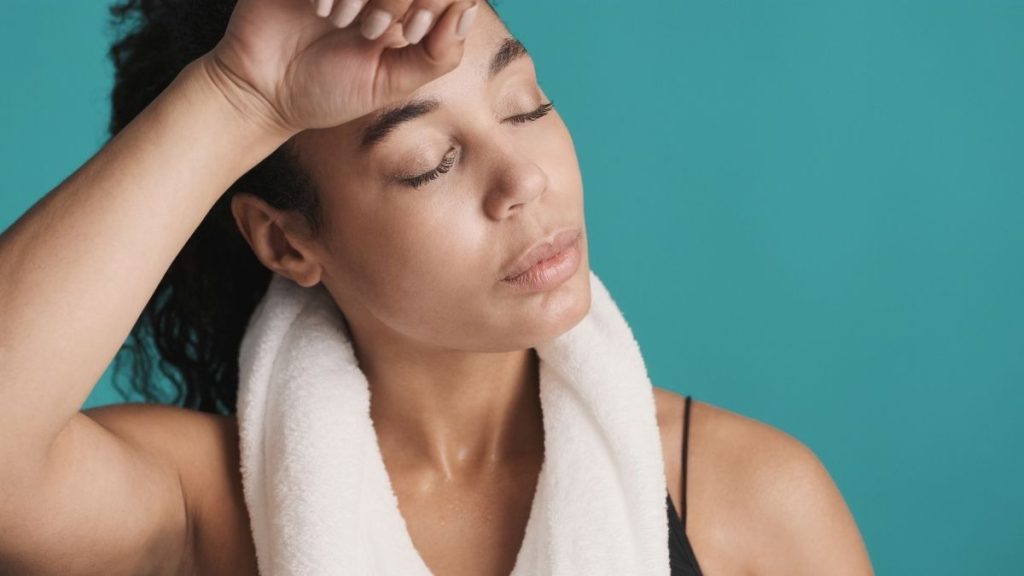
Facial sweating may be a natural response of the body in situations such as hot weather, exercise, stress, or excitement. However, if sweating in the facial area is excessive, cannot be explained by environmental temperature or physical activity, affects daily life, or cannot be controlled, excessive facial sweating may be present.
Excessive sweating of the face and scalp is medically known as craniofacial hyperhidrosis. Sweating may be particularly noticeable on the forehead, scalp, around the nose, upper lip, cheeks, and neck. Some people experience only facial sweating, while others may also have sweating of the hands, underarms, or feet.
To determine the cause of facial sweating, it is necessary to evaluate when the sweating began, in which situations it increases, whether it continues at night, and whether any other symptoms are present.
Why Does the Face Sweat?
Sweating is a natural mechanism that helps regulate body temperature. When body temperature rises, the nervous system stimulates the sweat glands. As sweat evaporates from the surface of the skin, the body attempts to cool itself.
Because the face and scalp contain many sweat glands, sweating may occur in these areas during hot weather or exercise. However, the nervous system does not respond only to temperature. Emotional situations such as stress, anxiety, excitement, embarrassment, or anger can also activate the sympathetic nervous system and cause facial sweating.
For this reason, facial sweating during public speaking, job interviews, examinations, social situations, or periods of intense stress does not necessarily indicate a medical condition. If sweating becomes frequent, cannot be controlled, and affects daily life, evaluation for hyperhidrosis may be necessary.
What Is the Difference Between Normal Facial Sweating and Excessive Facial Sweating?
Normal facial sweating is usually associated with a specific cause, such as increased temperature, exercise, fever, stress, or eating spicy foods. When the trigger disappears, sweating usually decreases.
In excessive facial sweating, noticeable sweating may occur even when the body does not need to cool itself. A person may notice sweat dripping from the face while sitting in a cool environment, talking, eating, or without performing any physical activity.
Features that may suggest excessive facial sweating include:
-
- Sweating that has continued for at least six months
- Noticeable episodes occurring at least once a week
- Similar sweating on both sides of the face
- Interference with daily life, social relationships, or professional activities
- A family history of similar sweating complaints
- Sweating that mainly occurs while awake
- Sweating that cannot be explained by temperature or physical activity
These features may be particularly consistent with primary focal hyperhidrosis, which is excessive sweating that is not caused by another medical condition.
What Are the Causes of Facial Sweating?
Facial sweating does not have a single cause. In some people, it is a completely physiological response, while in others it may be associated with nervous system activity, medication use, or an underlying health condition.
Hot Weather and Physical Activity
Hot weather, intense exercise, or physical activities that increase body temperature are among the most natural causes of facial sweating. When body temperature rises, the sweat glands become active to cool the body.
This type of sweating is usually temporary and decreases when the person moves to a cooler environment.
Stress, Anxiety, and Excitement
During stressful or emotionally intense situations, the sympathetic nervous system becomes activated. Heart rate may increase, facial flushing may occur, and sweat gland activity may rise.
A person who notices facial sweating may become more anxious. Increased anxiety may then intensify the sweating. In this way, sweating and stress can create a self-reinforcing cycle.
This does not mean that the sweating is purely psychological. In people with primary hyperhidrosis, stress may trigger an already sensitive sweating mechanism more strongly.
Primary Craniofacial Hyperhidrosis
Primary craniofacial hyperhidrosis is excessive sweating of the face and scalp that occurs without an identifiable underlying disease.
In this condition, the number of sweat glands may be normal. The main problem is that the sympathetic nervous system sends excessive signals to the sweat glands. The glands may continue working even when the body does not need to cool down.
Primary hyperhidrosis may occur more frequently in some families. Symptoms may begin during childhood, adolescence, or young adulthood, although facial sweating may become noticeable at a later age compared with other forms of focal sweating.
Spicy and Hot Foods
Chilli peppers, heavily spiced foods, and very hot meals may increase facial sweating. This condition is known as gustatory sweating.
During meals, sweating may be especially noticeable on the forehead, around the nose, upper lip, and scalp. In most people, this is a natural response. However, if it occurs during nearly every meal and causes significant discomfort, medical evaluation may be appropriate.
Certain nerve injuries or previous facial or salivary gland surgery may also cause one-sided facial sweating while eating.
Caffeine and Alcohol Consumption
Coffee, energy drinks, some teas, and products containing high amounts of caffeine may stimulate the nervous system and increase sweating. Alcohol may cause facial flushing and sweating by dilating blood vessels and altering body temperature.
If symptoms appear to increase after consuming these products, reducing the amount may help control sweating.
Hormonal Changes
Hot flashes during menopause may cause a sudden sensation of heat and sweating in the face, neck, and chest. Hormonal changes during pregnancy may also increase sweating in some people.
Sweating caused by hormonal changes is usually not limited to the face. Other symptoms, such as hot flashes, palpitations, sleep disturbances, or changes in the menstrual cycle, may also occur.
Thyroid Disorders
An overactive thyroid gland may accelerate metabolism and increase heat production. In this situation, facial sweating may be accompanied by palpitations, hand tremors, weight loss, heat intolerance, restlessness, and sleep problems.
If these symptoms are present, thyroid function may need to be evaluated.
Low Blood Sugar
When blood sugar levels fall, sweating, trembling, palpitations, hunger, weakness, and dizziness may occur. Sweating may be particularly noticeable around the face and neck.
In people receiving treatment for diabetes, rapid evaluation is important if sweating is accompanied by confusion, difficulty speaking, or severe weakness, as these symptoms may indicate low blood sugar.
Infections and Fever
Infections that increase body temperature may cause sweating. Heavy sweating may occur as the fever begins to fall.
If sweating is accompanied by persistent fever, coughing, significant weakness, night sweats, or unexplained weight loss, the underlying cause should be investigated.
Nervous System Disorders
Sweating is controlled by the autonomic nervous system. Certain neurological diseases or nerve injuries that affect this system may alter the normal sweating pattern.
Neurological evaluation may be necessary if sweating begins only on one side of the face or is accompanied by reduced sweating, drooping of the eyelid, facial numbness, or muscle weakness.
Medications
Some antidepressants, painkillers, hormone treatments, diabetes medications, and medicines that affect the nervous system may increase sweating.
If facial sweating begins after starting a new medication or changing the dose, the prescribing doctor should be informed. Even if a medication is suspected of causing sweating, it should not be stopped suddenly without medical advice.
What Causes Facial Sweating at Night?
Primary focal hyperhidrosis usually decreases significantly or stops during sleep. Therefore, sweating of the face and head at night should be evaluated for other possible causes.
A warm bedroom, thick clothing, heavy bedding, or illnesses associated with fever may cause night sweating. Menopause, medications, low blood sugar, thyroid disorders, infections, and certain systemic diseases may also be associated with night sweats.
A doctor should be consulted if night sweating becomes persistent, is severe enough to require changing clothing or bed sheets, or is accompanied by symptoms such as weight loss, fever, coughing, or significant weakness.
How Is Facial Sweating Diagnosed?
The evaluation of facial sweating begins with a detailed medical history. The age at which sweating began, its duration, the areas of the body affected, whether it continues at night, and the situations in which it becomes worse are assessed.
The doctor also evaluates the medications being used, any family history of hyperhidrosis, and accompanying symptoms.
In primary facial hyperhidrosis, the diagnosis can often be made through physical examination and the patient’s description of the symptoms. If a secondary cause is suspected, tests may be requested to assess blood sugar levels, thyroid function, or other possible conditions.
The effect of sweating on daily life is also considered when evaluating severity. Avoiding meetings, constantly carrying tissues, disrupted makeup, slipping glasses, or experiencing intense anxiety in social settings may indicate how significantly sweating affects quality of life.
How Can Facial Sweating Be Reduced?
Treatment for facial sweating is planned according to the cause and severity of the condition. In secondary hyperhidrosis, the priority is to evaluate and treat the underlying condition or medication side effect.
The methods that may be used for primary facial hyperhidrosis vary depending on the individual’s symptoms.
Identifying Triggers
Keeping a record of situations in which sweating increases may be helpful. Spicy foods, caffeine, alcohol, stress, warm environments, or certain social situations may stand out as triggers.
It may not always be possible to eliminate these factors completely. However, reducing controllable triggers may help relieve symptoms.
Topical Treatments
Some antiperspirant products may temporarily reduce sweat gland activity. However, facial skin is more sensitive than areas such as the underarms. Inappropriate products or highly concentrated applications may cause redness, burning, eye irritation, and skin problems.
For this reason, topical treatments applied to the face should be used under medical supervision.
Oral Medications
Certain medications that reduce the nerve signals stimulating the sweat glands may be used in selected patients with widespread or severe sweating.
These medications may cause side effects such as dry mouth, constipation, blurred vision, difficulty urinating, and increased sensitivity to hot weather. Treatment decisions should be made after considering the patient’s age, overall health, and other medications.
Botulinum Toxin Injections
Botulinum toxin may temporarily reduce the nerve signals reaching the sweat glands. It may be used in selected patients with excessive sweating of the face and scalp.
Because facial muscles are responsible for facial expressions, it is important that the application is planned by experienced physicians. The effect is temporary, and repeat treatment may be required at certain intervals.
Surgical Treatment
In severe primary facial sweating, surgical options may be considered when other treatments do not provide sufficient improvement.
During endoscopic thoracic sympathetic surgery, the sympathetic nerve pathways associated with excessive facial sweating are interrupted or modified. Depending on the surgical method, the procedure may be referred to as sympathectomy, sympathicotomy, or ramicotomy.
Surgical treatment is not suitable for every person with facial sweating. It is first necessary to confirm that the sweating is caused by primary hyperhidrosis and to exclude secondary causes.
After surgery, sweating may increase in other areas of the body, such as the back, abdomen, chest, or legs. This condition is known as compensatory sweating, and its likelihood and severity vary from person to person. Therefore, the expected benefits, possible risks, and alternative treatments should be discussed in detail before deciding on surgery.
When Should You See a Doctor for Facial Sweating?
Medical evaluation may be appropriate if facial sweating affects daily life, causes avoidance of social situations, or interferes with professional activities.
A doctor should be consulted in the following situations:
-
- Sweating begins suddenly
- The previous pattern of sweating changes significantly
- Sweating continues during the night
- Sweating occurs only on one side of the face
- Palpitations, trembling, or unexplained weight loss are present
- Fever, persistent coughing, or significant weakness accompanies the sweating
- Sweating begins after starting a new medication
- Daily life and social relationships are affected
- Sweating has continued for longer than six months
- Sweating cannot be controlled despite treatment attempts
Urgent medical evaluation is required if heavy sweating is accompanied by chest pain, shortness of breath, dizziness, cold skin, a rapid pulse, or nausea.
Conclusion
Facial sweating is often related to natural causes such as heat, exercise, stress, or diet. However, sweating that occurs when the body does not need to cool itself, continues for a long period, and affects daily life may be a sign of craniofacial hyperhidrosis.
Excessive facial sweating may be caused primarily by excessive stimulation of the sweat glands by the nervous system. It may also be associated with thyroid disorders, hormonal changes, low blood sugar, medications, or other health conditions.
Before planning treatment, it is important to distinguish between primary and secondary sweating. Treatment options range from controlling triggers to medications and botulinum toxin injections, while surgical methods may be considered in selected patients. The most appropriate method is determined according to the cause and severity of sweating and its effect on the person’s quality of life.
Frequently Asked Questions About Facial Sweating
1. Is Heavy Facial Sweating Normal?
Facial sweating is normal in hot weather, during exercise, during a fever, or in stressful situations. However, sweating that occurs in a cool environment or at rest, happens frequently, and affects daily life may be considered excessive facial sweating.
2. Can Stress Cause Facial Sweating?
Stress and excitement may activate the sympathetic nervous system and increase facial sweating. The effect of stress may be more noticeable in people with primary hyperhidrosis. Becoming aware of the sweating may also increase anxiety and worsen the symptoms.
3. Are Facial Sweating and Head Sweating the Same Condition?
Sweating of the face and scalp may occur together and may be evaluated as craniofacial hyperhidrosis. In some people, sweating is mainly noticeable on the forehead and face, while in others it is more prominent on the scalp and neck.
4. Is Facial Sweating at Night Normal?
A warm room or heavy bedding may cause temporary night sweating. However, primary hyperhidrosis usually decreases during sleep. If night sweating occurs regularly, medications, hormonal changes, infections, and other possible causes may need to be investigated.
5. Why Does the Face Sweat While Eating?
Spicy, heavily seasoned, or very hot foods may naturally increase facial sweating. If noticeable sweating occurs during every meal or affects only one side of the face, gustatory sweating and nerve-related causes may be evaluated.
6. Can Thyroid Disease Cause Facial Sweating?
An overactive thyroid gland may accelerate metabolism and increase sweating. Thyroid function may need to be checked if sweating is accompanied by palpitations, weight loss, trembling, restlessness, or heat intolerance.
7. How Can You Tell Whether Facial Sweating Is Hyperhidrosis?
Sweating that has continued for longer than six months, occurs at least once a week, affects both sides of the face, decreases during sleep, and interferes with daily life may suggest primary hyperhidrosis. A definitive evaluation should be made by a doctor.
8. Can Botulinum Toxin Be Used for Facial Sweating?
Botulinum toxin may be used in selected patients to reduce sweating of the face and scalp. Because facial muscles are responsible for facial expressions, the treatment area and dosage must be planned carefully.
9. Can Facial Sweating Be Completely Stopped with Surgery?
Surgical treatment may significantly reduce facial sweating in selected patients with primary hyperhidrosis. However, results vary between individuals, and compensatory sweating may develop in other parts of the body after surgery. The decision to undergo surgery should therefore be made after a detailed assessment.
10. Which Doctor Should You See for Facial Sweating?
The initial evaluation may be performed by a family physician, internal medicine specialist, or dermatologist. If an underlying condition is suspected, assessment by an endocrinologist or neurologist may be necessary. Patients diagnosed with primary hyperhidrosis who are considering surgical treatment may be referred to a thoracic surgeon.