Can Facial Blushing in Social Situations Be Treated?
14/07/2026
What Causes Facial Sweating? Symptoms and Treatment
29/07/2026
The tests used for excessive sweating are determined according to the characteristics of the sweating and whether another underlying health condition may be present. Not everyone who experiences excessive sweating needs the same blood tests, imaging procedures, or sweat measurements.
Hyperhidrosis is usually diagnosed through the patient’s medical history and physical examination. The doctor evaluates when the sweating began, which areas are affected, whether it continues at night, whether it is symmetrical, and how it affects daily life.
Focal sweating that begins during childhood or adolescence, affects both sides of the body symmetrically, and decreases during sleep may be consistent with primary hyperhidrosis. In people with these characteristics and no findings suggesting another disease, extensive laboratory testing may not be necessary.
Secondary hyperhidrosis is investigated when sweating begins suddenly during adulthood, affects the entire body, occurs at night, or is accompanied by symptoms such as weight loss, fever, palpitations, or trembling. Blood tests, urine tests, imaging procedures, or assessments by different specialists may then be required.
There is no single blood test that directly diagnoses excessive sweating. Tests are mainly used to investigate possible causes such as thyroid disease, blood glucose abnormalities, infections, medication side effects, and other medical conditions.
Why Are Tests Performed for Excessive Sweating?
Excessive sweating is generally assessed under two main categories: primary and secondary hyperhidrosis.
In primary hyperhidrosis, no identifiable disease or medication explains the sweating. The condition is thought to be associated with excessive activity of the sympathetic nervous system that controls the sweat glands.
In secondary hyperhidrosis, sweating may occur because of:
-
- Another disease
- Hormonal changes
- Infection
- Medication use
- A metabolic disorder
- A nervous system condition
- Alcohol or substance use
- Withdrawal from a medication or substance
The primary purpose of testing is not to prove primary hyperhidrosis directly. The aim is to investigate whether a condition capable of causing secondary sweating is present.
Certain sweating tests may also be used to show the distribution of sweating, measure its severity, or identify the area to be treated with regional methods such as botulinum toxin.
Does Everyone with Excessive Sweating Need Tests?
No. Extensive blood tests, urine tests, or imaging procedures are not necessary for every patient.
Primary focal hyperhidrosis can usually be diagnosed clinically when the typical features are present.
Features suggesting primary hyperhidrosis include:
-
- Sweating that has continued for at least six months
- Sweating that cannot be explained by an identifiable disease
- Involvement of specific areas such as the hands, feet, underarms, or face
- Similar involvement on both sides of the body
- Episodes occurring at least once a week
- Sweating that decreases or stops during sleep
- Interference with daily life
- Onset during childhood, adolescence, or young adulthood
- A family history of similar sweating
If these features are present and examination does not suggest a secondary cause, primary hyperhidrosis may be diagnosed without laboratory testing.
Tests may be planned when the diagnosis is uncertain or the symptoms do not fit the usual pattern of primary hyperhidrosis.
When Might Tests Be Necessary for Excessive Sweating?
The following features may require a more detailed evaluation for secondary hyperhidrosis:
-
- Recent and sudden onset of sweating
- First appearance during adulthood or older age
- Sweating affecting the entire body
- Night sweating
- Sweating severe enough to require changing clothes or bed sheets
- Sweating affecting only one side of the face or body
- Sweating continuing during sleep
- Fever or chills
- Unexplained weight loss
- Palpitations and trembling of the hands
- Heat intolerance
- Chest pain or shortness of breath
- Recurrent symptoms of low blood sugar
- Persistent coughing or significant weakness
- Onset after starting a new medication
- A clear change in the previous sweating pattern
- Accompanying neurological symptoms
The presence of these symptoms does not necessarily indicate a serious disease. However, the sweating should not automatically be accepted as primary hyperhidrosis before possible underlying causes are evaluated.
What Is Done First When Diagnosing Excessive Sweating?
The assessment of excessive sweating usually begins with a detailed medical history. Blood tests are generally selected after this evaluation.
The doctor may investigate the following questions:
-
- When did the sweating begin?
- Has it been present since childhood?
- Did it begin suddenly or gradually?
- Which areas of the body are affected?
- Is it bilateral and symmetrical?
- Does it affect the entire body?
- Does it continue during sleep?
- Is it related to heat or exercise?
- Does it increase with stress or excitement?
- Does it occur while eating?
- Does it appear at particular times of the day?
- Are fever, weight loss, or weakness present?
- Are palpitations, trembling, or headaches present?
- Which medications are being used?
- Are alcohol, caffeine, or other stimulants consumed?
- Is there a family history of excessive sweating?
- To what extent does sweating affect daily life?
- Which treatments have previously been tried?
These questions help determine which tests are genuinely necessary.
What Is Assessed During Physical Examination?
During physical examination, the areas affected by sweating, the condition of the skin, and accompanying findings are evaluated.
The examination may assess:
-
- Visible sweating of the hands, feet, underarms, or face
- Whether sweating affects both sides
- Whether sweat droplets form
- The distribution of wetness on clothing
- Skin irritation or redness
- Signs of fungal infection
- Skin softening and cracking
- Pulse and blood pressure
- Enlargement of the thyroid gland
- Trembling of the hands
- Enlarged lymph nodes
- Fever
- Weight loss or deterioration in general condition
- Neurological examination findings
Sweating may not always be visible during the examination. Because hyperhidrosis may occur intermittently, the patient’s detailed description of the symptoms is important.
Which Blood Tests May Be Requested for Excessive Sweating?
Blood tests are not ordered in the same way for every patient. The tests selected depend on the patient’s age, symptoms, medications, and examination findings.
Why Is a Complete Blood Count Requested?
A complete blood count evaluates red blood cells, white blood cells, and platelets.
It may provide information about:
-
- Anaemia
- Signs of infection
- Certain blood disorders
- Changes in white blood cell count
- Platelet abnormalities
Excessive sweating alone does not make a complete blood count mandatory. However, it may be included when night sweats, fever, weakness, unexplained weight loss, or frequent infections are present.
A complete blood count does not identify the cause of sweating by itself. The results are interpreted together with the patient’s other findings.
Why Are CRP and Sedimentation Tests Performed?
C-reactive protein and erythrocyte sedimentation rate may provide information about whether infection or inflammation is present in the body.
These tests may be considered particularly when there is:
-
- Fever
- Night sweating
- Persistent weakness
- Joint pain
- Unexplained weight loss
- Suspicion of infection
Elevated CRP or sedimentation results do not directly identify the cause of sweating. They may increase in many conditions, ranging from infections to rheumatological diseases.
Further tests may be planned according to the patient’s symptoms when the results are elevated.
Why Are Blood Glucose Tests Requested?
Low blood sugar and certain diabetes-related conditions may cause excessive sweating.
Blood glucose evaluation may include:
-
- Fasting blood glucose
- Post-meal blood glucose
- HbA1c
- Blood glucose measurement during symptoms
When blood sugar falls, sweating may be accompanied by:
-
- Trembling
- Palpitations
- Hunger
- Dizziness
- Weakness
- Difficulty concentrating
- Blurred vision
- Changes in consciousness
Insulin and certain medications used to treat diabetes may cause low blood sugar. The relationship between sweating and meals, exercise, or medication times is therefore investigated.
HbA1c provides information about average blood glucose levels over the previous few months. However, it does not directly show an isolated episode of low blood sugar.
Why Are Thyroid Tests Performed?
An overactive thyroid gland may accelerate metabolism and increase body temperature and sweating.
Thyroid evaluation may include:
-
- TSH
- Free T4
- Free T3 when necessary
Sweating caused by an overactive thyroid may be accompanied by:
-
- Palpitations
- Trembling of the hands
- Weight loss
- Increased appetite
- Heat intolerance
- Nervousness or restlessness
- Sleep disturbance
- Increased bowel movements
- Muscle weakness
- Menstrual irregularities
Thyroid function testing becomes more relevant when these symptoms accompany sweating.
Routine thyroid testing is not necessary for every patient with focal hyperhidrosis. The decision is based on clinical findings.
Why Are Kidney Function Tests and Electrolytes Evaluated?
Kidney function and electrolyte levels may be examined to assess general health and investigate certain metabolic problems.
The evaluation may include:
-
- Urea
- Creatinine
- Sodium
- Potassium
- Calcium
- Magnesium when necessary
Electrolyte abnormalities are not among the most common direct causes of hyperhidrosis. However, these tests may be added when widespread sweating, fluid loss, medication use, kidney disease, or other systemic symptoms are present.
Intense and prolonged sweating may contribute to fluid and electrolyte loss. Thirst, muscle cramps, and dizziness should be considered, particularly in people who work in hot environments or perform heavy exercise.
Why Might Liver Function Tests Be Requested?
Liver function tests may be included in the general assessment when widespread sweating is accompanied by systemic symptoms.
These tests may include:
-
- ALT
- AST
- GGT
- Alkaline phosphatase
- Bilirubin
- Albumin
Liver tests are not used to diagnose primary hyperhidrosis. They may be requested to assess the effects of medications, systemic diseases, or general health.
Are Hormone Tests Necessary?
A broad hormone panel is not necessary for every complaint of excessive sweating.
Hormone tests are selected according to the patient’s age, sex, symptoms, and medical history.
Hot flashes and night sweats during menopause can often be assessed clinically. In certain situations, a gynaecologist or endocrinologist may plan hormonal testing.
A pregnancy test may be requested when pregnancy is possible, depending on accompanying symptoms and the treatments being considered.
Tests for rare hormonal disorders are performed only when the patient’s symptoms suggest those conditions. Screening every patient with excessive sweating for rare diseases is not appropriate.
Is Testing Performed for Pheochromocytoma?
Pheochromocytoma is a rare hormone-producing tumour that may arise from the adrenal glands. Excessive sweating may occur in this condition, but sweating alone does not suggest pheochromocytoma.
Evaluation may be considered when the following symptoms occur together in episodes:
-
- Severe headache
- Noticeable palpitations
- Heavy sweating
- High blood pressure
- Trembling
- Pallor
- Chest or abdominal pain
- Episodes resembling panic attacks
When there is clinical suspicion, specialised tests such as blood or urine metanephrine measurements may be used.
These are not routine hyperhidrosis tests. Unnecessary testing may produce false-positive results and lead to avoidable further investigations.
Is Testing Performed for Carcinoid Syndrome?
Carcinoid syndrome is a rare condition associated with certain hormone-producing tumours.
Special tests may be considered if facial flushing and sweating are accompanied by:
-
- Recurrent diarrhoea
- Abdominal pain
- Wheezing
- Palpitations
- Noticeable flushing of the face and neck
Tests such as urinary 5-HIAA may be used in selected clinical situations. Excessive sweating alone is not sufficient reason to perform this test.
Testing for rare diseases should be planned according to symptoms and specialist assessment.
When Are Infection Tests Performed?
Certain infections may cause fever and night sweats.
Symptoms that may require evaluation for infection include:
-
- Persistent fever
- Night sweating
- Coughing
- Sputum
- Shortness of breath
- Significant weakness
- Enlarged lymph nodes
- Unexplained weight loss
- A relevant travel or exposure history
Depending on the suspected infection, tests may include:
-
- Blood tests
- Blood cultures
- Urinalysis
- Chest imaging
- Tuberculosis tests
- HIV testing
- Other microbiological tests
These tests are not routinely applied to every patient with hyperhidrosis. They are selected according to the patient’s history, risk factors, and examination findings.
Is a Urine Test Performed for Excessive Sweating?
Urine tests may be requested in addition to blood tests in some patients.
Urine tests may be used to:
-
- Assess general health
- Investigate urinary tract infections
- Examine findings related to blood glucose disorders
- Evaluate kidney disease
- Measure certain hormones or metabolites
- Assess medication or substance use
A standard urinalysis does not diagnose primary hyperhidrosis.
Special urine tests are planned only when a specific condition such as pheochromocytoma or carcinoid syndrome is suspected.
How Are Medications Assessed as Part of Excessive Sweating Evaluation?
A detailed review of medications may be as important as laboratory testing.
Medication groups that may increase sweating include certain:
-
- Antidepressants
- Painkillers
- Fever-reducing medications
- Hormone treatments
- Diabetes medications
- Blood pressure medications
- Nervous system medications
- Corticosteroid treatments
- Opioid medications
Caffeine, alcohol, nicotine, energy drinks, and certain stimulant substances may also affect sweating patterns.
If sweating begins after starting a new medication or changing the dose, this information should be given to the doctor. Even if the medication is suspected of causing sweating, it should not be stopped suddenly without medical advice.
When a medication side effect is suspected, dose adjustment or an alternative treatment may be discussed with the prescribing doctor.
Is Imaging Performed for Excessive Sweating?
Ultrasound, computed tomography, or magnetic resonance imaging is not routinely performed for primary focal hyperhidrosis.
Imaging methods are used only when the patient’s symptoms and examination findings suggest a specific disease.
When Might a Chest X-Ray Be Requested?
A chest X-ray may be considered in people with:
-
- Persistent coughing
- Fever
- Night sweating
- Unexplained weight loss
- Shortness of breath
- Chest pain
- A history of tuberculosis exposure
- Suspected lung disease
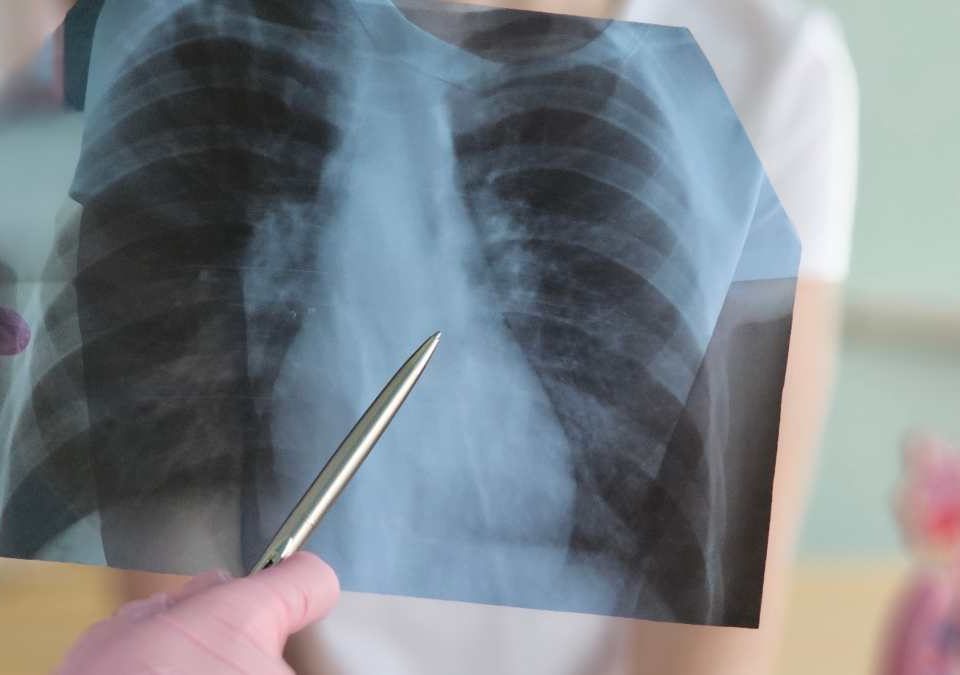
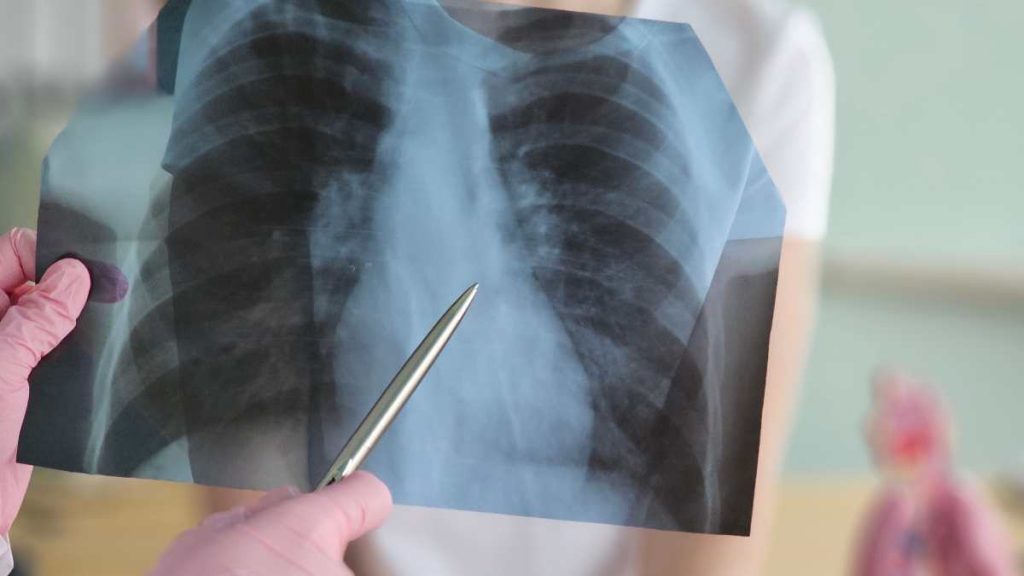
A chest X-ray does not measure excessive sweating or diagnose primary hyperhidrosis. It may help investigate chest diseases capable of causing sweating.
Are Ultrasound, Computed Tomography, or MRI Necessary?
These imaging methods are not used as routine screening tests for excessive sweating.
Ultrasound, computed tomography, or MRI may be considered when there is:
-
- A mass detected during examination
- Enlarged lymph nodes
- Suspicion of a particular organ disease
- Neurological findings
- Unilateral or unusual sweating
- Suspicion of a hormone-producing tumour
- Unexplained changes in blood test results
The area to be imaged is determined according to the suspected condition. Whole-body imaging is not a standard approach based only on the complaint of excessive sweating.
Are There Special Tests That Measure the Amount of Sweating?
Certain specialised methods may be used to evaluate the area or amount of sweating.
These tests are not necessary for every patient. They may be used when the diagnosis is uncertain, for research, to identify a treatment area, or to assess treatment results.
What Is the Iodine-Starch Test?
The iodine-starch test, also known as the Minor test, is a method used to identify areas of active sweating.
During the test:
-
- The skin is cleaned and dried.
- An iodine-containing solution is applied to the sweating area.
- After the solution dries, starch is applied.
- Areas of sweating become darker in colour.
The colour change shows where the sweat glands are active.
The iodine-starch test may be used to:
-
- Identify the distribution of underarm sweating
- Show areas of sweating on the hands or feet
- Evaluate food-triggered facial sweating
- Investigate Frey syndrome
- Mark areas for botulinum toxin treatment
- Compare sweating distribution before and after treatment
The test does not identify the cause of sweating by itself. It mainly maps the areas of active sweating.
Is the Iodine-Starch Test Painful?
The iodine-starch test is generally painless and does not require needles.
The doctor should be informed before the test if there is an open wound, skin irritation, or sensitivity to iodine-containing products.
Temporary skin discolouration may occur during the test. The area is cleaned afterwards.
What Is Gravimetric Sweat Measurement?
Gravimetric measurement evaluates the amount of sweat produced during a specific period by measuring weight.
The procedure generally involves:
-
- Drying the sweating area
- Placing a pre-weighed absorbent paper on the area
- Waiting for a specified period
- Weighing the paper again
- Calculating the difference between the two measurements
The amount of sweat may then be expressed in a value such as milligrams per minute.
Gravimetric measurement may be used particularly for hand and underarm sweating. However, room temperature, stress, measurement duration, and the person’s current sweating level may affect the result.
For this reason, gravimetric measurement is not always necessary in routine diagnosis. It is used more often in research or when comparing treatment outcomes.
What Is the Thermoregulatory Sweat Test?
The thermoregulatory sweat test is a specialised method used to assess the distribution of the body’s sweating response to increased temperature.
During the test, the body is warmed in a controlled environment. A special substance that changes colour when it comes into contact with sweat may be applied to the skin.
As sweating occurs, the areas that change colour show the distribution of sweating across the body.
This method may be used to:
-
- Evaluate generalised sweating disorders
- Identify areas with reduced or absent sweating
- Investigate autonomic nervous system disorders
- Examine neurological sweating abnormalities
The thermoregulatory sweat test is not available in every centre and is generally not required for routine assessment of primary hand, foot, or underarm hyperhidrosis.
What Is the QSART Test?
QSART is a specialised test that evaluates the function of the small autonomic nerve fibres controlling the sweat glands.
During the test, a specific substance and a low-level electrical stimulus are applied to the skin, and the response of the sweat glands is measured.
QSART may be used when there is suspicion of:
-
- Autonomic neuropathy
- Small-fibre nerve disease
- Regional loss of sweating
- Unexplained asymmetrical sweating
- A nervous system-related sweating disorder
QSART is not routinely used to diagnose primary hyperhidrosis. It is mainly part of neurological and autonomic nervous system evaluation.
Are Sweat Tests Necessary for Diagnosis?
Most patients with primary hyperhidrosis can be diagnosed without specialised sweating tests.
The iodine-starch test or gravimetric measurement may be used to:
-
- Clarify the sweating area
- Plan a specific treatment
- Evaluate Frey syndrome
- Compare treatment results objectively
- Perform research measurements
The patient’s symptoms, the distribution of sweating, and its effect on daily life are often more important than a laboratory measurement.
If the person is not sweating during the examination, this does not mean that hyperhidrosis is absent. Sweating may be intermittent, and room temperature or the patient’s stress level may affect the result.
Is the Hyperhidrosis Severity Scale a Test?
The Hyperhidrosis Disease Severity Scale is not a laboratory test. It is a short questionnaire used to evaluate how well the person tolerates sweating and how much it affects daily life.
Sweating is generally assessed at four levels:
-
- Sweating is not noticeable and does not affect daily life.
- Sweating is tolerable but occasionally affects daily life.
- Sweating is difficult to tolerate and frequently affects daily life.
- Sweating is intolerable and always affects daily life.
This scale may be used to:
-
- Determine sweating severity
- Support treatment selection
- Evaluate changes before and after treatment
- Show the effect on quality of life
It does not measure sweat in grams or milligrams. It assesses the loss of functioning experienced by the patient.
Why Are Quality-of-Life Scales Used?
Excessive sweating does not only make the skin wet. It may affect social relationships, professional life, education, and daily activities.
Quality-of-life assessment may consider problems such as:
-
- Avoiding handshakes
- Anxiety about wet clothing
- Difficulty using electronic devices
- Paper becoming wet while writing
- Slipping inside shoes
- Avoiding social environments
- Avoiding public speaking
- Needing to change clothes frequently
- Restrictions in career choice
- Loss of self-confidence
Quality-of-life scales do not establish the diagnosis by themselves. However, they help evaluate the need for treatment and the improvement achieved.
Which Tests Are Performed for Night Sweating?
Tests for night sweating are selected according to the patient’s other symptoms.
A warm bedroom, heavy bedding, or menopause may cause night sweats. However, infections, thyroid disease, low blood sugar, medications, and certain systemic diseases may also need to be considered.
When necessary, evaluation may include:
-
- Complete blood count
- CRP and sedimentation rate
- Blood glucose and HbA1c
- Thyroid function tests
- Kidney and liver function tests
- Infection tests
- Chest X-ray
- Other imaging according to symptoms
The tests selected depend on the duration and severity of night sweating and accompanying symptoms.
Primary focal hyperhidrosis usually decreases during sleep. For this reason, newly developed and intense night sweating is assessed differently from primary hyperhidrosis.
Which Tests Are Performed for Unilateral Sweating?
Primary hyperhidrosis usually affects both sides of the body symmetrically.
Noticeable sweating affecting only one side of the face, hand, foot, or body may require evaluation for a neurological or regional condition.
Assessment of unilateral sweating may include:
-
- Detailed neurological examination
- Muscle strength and sensation testing
- Examination of the eyelid and pupil
- Sweat distribution testing
- Iodine-starch testing
- Autonomic nervous system tests
- Brain, neck, or spinal imaging when necessary
Imaging is not performed automatically in every patient. The decision is based on the location of sweating and accompanying neurological symptoms.
Which Tests Are Performed for Sweating While Eating?
Facial sweating during spicy or very hot foods is usually a natural response.
However, sweating and redness affecting a specific side of the face during eating may suggest Frey syndrome. This condition may occur particularly in people who have undergone salivary gland surgery or experienced facial trauma or regional nerve injury.
Evaluation may include:
-
- Medical history of surgery or trauma
- Distribution of sweating
- Foods that trigger the symptoms
- Whether redness is also present
- Iodine-starch testing
During the iodine-starch test, the patient may be given food that triggers sweating so the active area can be identified.
Are Tests Different for Hand, Foot, and Underarm Sweating?
Primary hyperhidrosis of the hands, feet, and underarms is usually diagnosed through medical history and examination.
Features supporting primary hyperhidrosis in these areas include:
-
- Symmetrical sweating
- Onset during childhood or young age
- Stopping during sleep
- Occurring at least once a week
- Interfering with daily life
The iodine-starch test may be used to show the sweating area. Gravimetric measurement may be used to assess the amount of sweat produced.
However, treatment decisions are not based only on the measured amount of sweat. The effect on daily life is also considered.
Which Tests Are Performed for Facial and Scalp Sweating?
Excessive sweating of the face and scalp may be evaluated as craniofacial hyperhidrosis.
The assessment investigates:
-
- Which areas of the face are affected
- Whether the scalp is involved
- Whether sweating is related to eating
- Whether facial blushing is present
- Whether sweating continues during sleep
- Medications being used
- Symptoms related to thyroid or blood glucose problems
- Menopause or hormonal changes
Extensive testing may not be necessary when the typical features of primary craniofacial hyperhidrosis are present.
Blood tests and appropriate specialist assessments may be required if sweating begins suddenly, affects only one side, continues at night, or is accompanied by systemic symptoms.
Is a Biopsy Performed for Excessive Sweating?
A skin biopsy is not performed to diagnose primary hyperhidrosis.
The number of sweat glands is usually normal. The problem is related to excessive stimulation of the glands by the sympathetic nervous system.
A skin biopsy may be considered only when another skin disease, mass, or structural abnormality is suspected.
Biopsy is not needed in the routine evaluation of hand, foot, underarm, or facial hyperhidrosis.
What Happens If the Test Results Are Normal?
Normal blood tests and other investigations do not mean that the sweating complaint is unimportant or imaginary.
After secondary causes have been excluded, primary hyperhidrosis may be diagnosed clinically when the pattern of sweating is consistent with the condition.
In primary hyperhidrosis:
-
- Blood tests may be normal.
- Imaging may show no abnormality.
- The structure of the sweat glands may be normal.
- Sweating may not occur during examination.
The main problem is not the number of sweat glands but their excessive stimulation by the nervous system.
After diagnosis, treatment is planned according to the affected area, severity, and effect on quality of life.
How Do Test Results Affect Treatment?
If testing identifies a secondary cause, treatment is directed first towards that condition.
For example:
-
- Thyroid disease is treated appropriately.
- Diabetes medications and nutrition are reassessed when low blood sugar is present.
- Alternatives are discussed with the prescribing doctor when sweating is medication-related.
- Infections are treated accordingly.
- Hormonal and non-hormonal options may be considered for menopausal symptoms.
Treating the underlying cause may reduce sweating.
When primary hyperhidrosis is diagnosed, treatment options may include:
-
- Antiperspirant products
- Iontophoresis
- Botulinum toxin injections
- Oral medications
- Regional device treatments
- Surgical methods in carefully selected patients
Which Tests Are Performed Before Surgical Treatment?
Endoscopic thoracic sympathetic surgery is not performed for every patient with excessive sweating. Before surgery is considered, it must be established that the sweating is caused by primary hyperhidrosis and that appropriate non-surgical treatments have been evaluated.
Preoperative testing has two main purposes:
-
- Confirming the cause of sweating
- Assessing whether the patient is suitable for general anaesthesia and surgery
Depending on the patient’s age and health, the following may be requested:
-
- Complete blood count
- Blood glucose
- Kidney and liver function tests
- Electrolytes
- Coagulation tests
- Electrocardiography
- Chest X-ray
- Respiratory system assessment
- Anaesthesia evaluation
The same tests are not necessary for every patient. The plan may vary according to age, chronic diseases, medications, and the surgical centre’s protocol.
Can Surgery Be Performed Even If the Test Results Are Normal?
The decision for surgery is not based only on normal blood test results.
Primary hyperhidrosis must be confirmed, the sweating must significantly affect quality of life, and appropriate non-surgical treatments must have failed to provide sufficient benefit.
It is also important for the patient to understand the possible outcomes of surgery.
After endoscopic thoracic sympathetic surgery, sweating may increase in other areas of the body, such as the back, chest, abdomen, waist, or legs. This is known as compensatory sweating, and its severity varies between individuals.
Normal tests do not mean that surgery is automatically necessary or risk-free. The decision is based on patient selection, symptom severity, and a benefit-risk assessment.
Which Doctor Should Be Consulted for Excessive Sweating?
Initial assessment may be performed by a family physician, internal medicine specialist, or dermatologist.
Referral to different specialties may be necessary depending on the characteristics of sweating:
-
- Endocrinology when thyroid or hormonal disease is suspected
- Neurology when neurological symptoms are present
- Gynaecology for menopause and hormonal symptoms
- Dermatology for persistent facial redness
- The prescribing specialist when a medication side effect is suspected
- Infectious diseases when infection is suspected
- Thoracic surgery when surgical treatment is being considered
In patients diagnosed with primary hyperhidrosis, dermatology and thoracic surgery may evaluate treatment according to the affected area.
When Does Excessive Sweating Require Emergency Assessment?
Excessive sweating may also occur during certain medical emergencies.
Urgent medical evaluation is required when sweating is accompanied by:
-
- Chest pain
- Shortness of breath
- Fainting
- Changes in consciousness
- Cold and pale skin
- Severe dizziness
- Sudden muscle weakness
- Speech difficulty
- A very rapid or irregular heartbeat
- Severe symptoms of low blood sugar
- Swelling of the tongue or throat
- Widespread hives
In these situations, routine outpatient testing for sweating should not be awaited. The emergency condition must be assessed first.
Conclusion
There is no single test applied to everyone with excessive sweating. Evaluation begins with the patient’s medical history and physical examination.
Focal sweating that begins during childhood or young age, affects both sides symmetrically, and decreases during sleep may be consistent with primary hyperhidrosis. Extensive laboratory testing may not be required when there are no symptoms suggesting another disease.
Secondary causes are investigated when sweating begins suddenly, affects the entire body, continues at night, or is accompanied by symptoms such as fever, weight loss, palpitations, and trembling.
Depending on the patient’s symptoms, a complete blood count, CRP, blood glucose, HbA1c, thyroid function tests, and kidney and liver tests may be requested. More targeted investigations may be used when infection, hormonal disease, or a neurological condition is suspected.
The iodine-starch test shows the areas of active sweating, while gravimetric measurement evaluates the amount of sweat produced during a specific period. Thermoregulatory sweat testing and QSART are mainly used in specialised neurological or autonomic nervous system assessments.
Normal test results do not mean that the sweating complaint is unimportant. After secondary causes have been excluded, primary hyperhidrosis may be diagnosed clinically, and treatment may be planned according to the location and severity of sweating and its effect on daily life.
Frequently Asked Questions About Excessive Sweating Tests
1. Does Excessive Sweating Appear in a Blood Test?
There is no specific blood test that directly shows excessive sweating. Blood tests are used to investigate whether thyroid disease, blood glucose abnormalities, infection, or another secondary cause is present.
2. Which Blood Tests Are Performed for Excessive Sweating?
Depending on the symptoms, tests may include a complete blood count, CRP, sedimentation rate, fasting blood glucose, HbA1c, TSH, free T4, and kidney and liver function tests. Not every patient needs all of these tests.
3. Are Tests Necessary for Primary Hyperhidrosis?
When the typical features of primary hyperhidrosis are present and there are no symptoms suggesting another disease, diagnosis can usually be made through medical history and examination. Laboratory tests may not be necessary.
4. Why Is a Thyroid Test Performed for Excessive Sweating?
An overactive thyroid gland may increase metabolism and body temperature. Thyroid function may be evaluated when sweating is accompanied by palpitations, trembling, weight loss, and heat intolerance.
5. What Does the Iodine-Starch Test Show?
The iodine-starch test shows the areas where sweat glands are active. Dark colour changes occur in the sweating areas. The test may be used to identify treatment areas for botulinum toxin or to evaluate Frey syndrome.
6. Are Excessive Sweating Tests Performed on an Empty Stomach?
Fasting is generally not required for regional sweating tests such as the iodine-starch test. Fasting may be required for certain blood tests, such as fasting blood glucose. Preparation depends on the test being performed.
7. Which Tests Are Performed for Night Sweating?
Depending on the symptoms, evaluation may include a complete blood count, CRP, blood glucose, thyroid tests, kidney and liver function tests, infection tests, or a chest X-ray. The same tests are not performed for every patient.
8. Can the Amount of Sweating Be Measured?
Gravimetric measurement can calculate the amount of sweat produced during a specific period. The iodine-starch test shows the distribution of sweating. These tests are not always necessary in routine diagnosis.
9. If the Tests Are Normal, Is Excessive Sweating Psychological?
No. Blood tests and imaging may be normal in primary hyperhidrosis. The problem is related to excessive stimulation of the sweat glands by the sympathetic nervous system rather than an abnormal structure of the glands. Stress may increase sweating, but this does not mean that the complaint is imaginary.
10. Are Tests Performed Before Excessive Sweating Surgery?
Before surgery, the diagnosis of primary hyperhidrosis and patient suitability are evaluated. Blood tests, electrocardiography, a chest X-ray, or other investigations may also be requested to assess fitness for general anaesthesia. The tests are selected according to the patient’s age and health.