What Causes Facial Blushing?
14/07/2026
What Tests Are Performed for Excessive Sweating?
14/07/2026
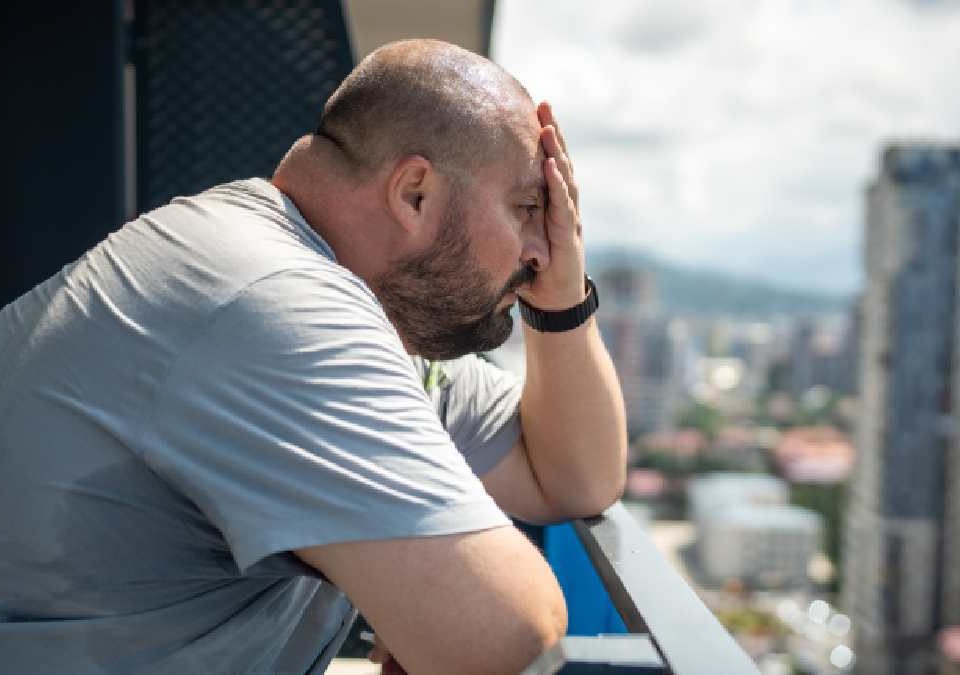
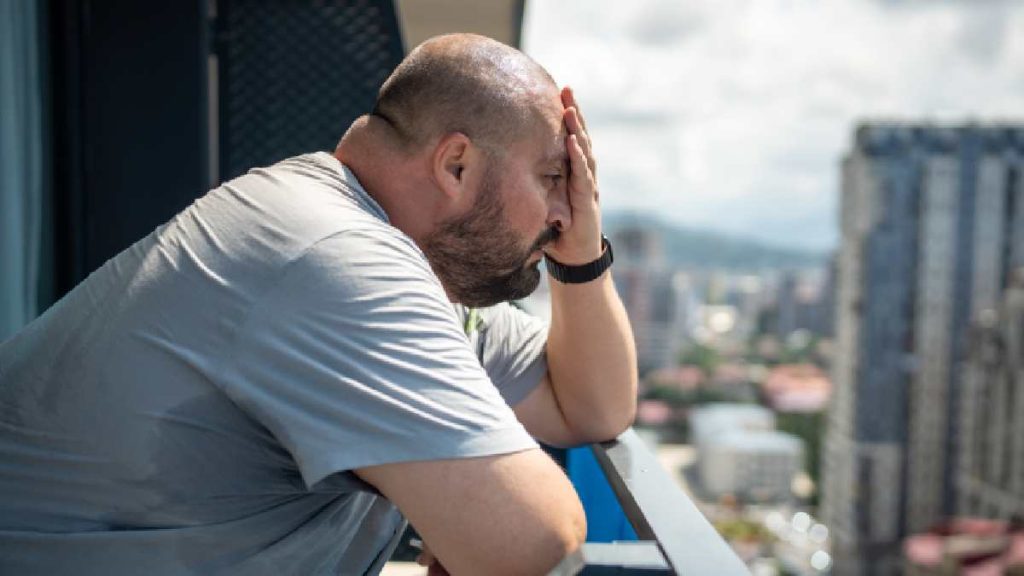
Facial blushing in social situations may occur when a person feels that attention is focused on them, speaks in public, meets new people, attends a meeting, or experiences an embarrassing situation.
Facial blushing is an involuntary bodily response caused by the widening of blood vessels close to the surface of the skin and increased blood flow to the facial area. Even when a person tries not to blush, they may not be able to stop this vascular response through willpower alone.
Infrequent blushing that passes quickly is generally considered a natural response. However, treatment may be planned if blushing occurs very frequently, causes the person to avoid social situations, or affects work, education, or private life.
Facial blushing in social situations can be treated, or its symptoms can be brought under significant control. The goal of treatment is not always to ensure that the face never becomes red again. Reducing the frequency and severity of blushing episodes, managing the fear of blushing, and helping the person return to avoided social situations are also important treatment goals.
The treatment used depends on the cause of the blushing. Cognitive behavioural therapy and medication may be considered in appropriate patients when blushing is associated with social anxiety. Dermatological treatment is required if a skin condition such as rosacea is present. Surgical methods may be considered only in carefully selected patients who have not obtained sufficient benefit from other treatments.
Why Does the Face Become Red in Social Situations?
Facial blushing in social situations is usually related to the response of the autonomic nervous system. This system controls involuntary functions such as heart rate, sweating, breathing, blood vessel dilation, and regulation of body temperature.
When a person feels that they are being watched, evaluated, or criticised, the body may interpret the situation as a threat. When the sympathetic nervous system becomes activated:
-
- Heart rate may increase.
- Breathing may change.
- Sweating may increase.
- The hands may tremble.
- Dry mouth may develop.
- Blood vessels in the face and neck may widen.
As the facial blood vessels widen, redness may occur on the cheeks, ears, forehead, neck, or upper chest.
This response occurs outside the person’s control. Thinking, “I must not blush,” usually does not reduce the redness. On the contrary, this thought may increase anxiety and cause the face to become even redder.
Is Facial Blushing in Social Situations a Normal Response?
Facial blushing during embarrassment, excitement, receiving a compliment, being criticised, speaking in public, or unexpectedly becoming the centre of attention is a normal human response.
Natural facial blushing usually:
-
- Is triggered by a specific social event.
- Begins suddenly.
- Lasts for a short time.
- Decreases when the person relaxes.
- Does not seriously affect daily life.
- Does not cause persistent avoidance of social situations.
Facial blushing does not occur with the same intensity in everyone. Skin tone, blood vessel structure, genetic characteristics, sensitivity of the autonomic nervous system, and the person’s level of anxiety may affect how visible the redness becomes.
In some people, the vascular response is more noticeable, so even mild excitement may cause intense redness. This alone does not indicate a disease.
When Does Social Facial Blushing Become a Problem?
How facial blushing affects a person’s life is more important than how noticeable the redness appears.
Social facial blushing may become a problem requiring assessment when:
-
- The person constantly thinks that their face will become red
- They avoid meetings or presentations
- They do not want to meet new people
- They avoid eye contact
- They do not speak in class or at work
- They postpone job interviews
- They reject social invitations
- They significantly change their lifestyle to hide the redness
- They think about the event for hours after blushing
- They regard being noticed blushing as humiliating
- Their work, education, or personal relationships are affected
In such situations, the main problem may not be limited to the widening of facial blood vessels. Intense anxiety about blushing and avoidance behaviours also need to be treated.
What Is the Fear of Facial Blushing?
An intense and persistent fear of facial blushing is known as erythrophobia.
A person with erythrophobia is not only uncomfortable with their face becoming red. They may believe that others will notice the redness and judge them as weak, shy, guilty, inadequate, or insecure.
Thoughts may include:
-
- “If my face becomes red, everyone will realise that I am nervous.”
- “People will think I lack confidence.”
- “They will make fun of me if they notice that I am blushing.”
- “I will not be able to continue speaking if I blush.”
- “I am inadequate because I cannot control my facial redness.”
- “Everyone is looking only at my face.”
These thoughts increase anxiety. Increased anxiety activates the autonomic nervous system and makes blushing more likely.
The following cycle may then develop:
Thinking that the face will become red → increased anxiety → facial warmth and redness → noticing the redness → believing that others have noticed it → further anxiety and blushing
Treatment aims to break this cycle.
Are Erythrophobia and Social Anxiety Disorder the Same?
Erythrophobia and social anxiety disorder may be related, but they are not exactly the same.
In erythrophobia, the central fear is facial blushing. The person may avoid social situations specifically because they believe they will blush or that others will notice the redness.
In social anxiety disorder, the person has an intense fear of being observed, criticised, humiliated, or negatively judged by others. Facial blushing may be one of the physical symptoms of this fear.
Symptoms occurring during social anxiety may include:
-
- Facial blushing
- Sweating
- Trembling
- Heart palpitations
- Dry mouth
- A trembling voice
- Difficulty organising thoughts
- Difficulty maintaining eye contact
- Muscle tension
- Stomach or bowel symptoms
Not everyone who experiences facial blushing has social anxiety disorder. However, assessment for social anxiety may be appropriate if the fear of blushing significantly affects social life.
Why Does the Fear of Blushing Increase Over Time?
Not only the vascular response but also the person’s thoughts and behaviours may contribute to the continuation of the fear of blushing.
Excessive Self-Focused Attention
When entering a social environment, the person may constantly monitor their own face instead of following the other person or the subject being discussed.
They may focus on questions such as:
-
- “Is my face becoming warm?”
- “Am I red right now?”
- “Is my neck red too?”
- “Are people looking at me?”
- “Have I started sweating?”
This intense self-monitoring may cause even small changes in body temperature to be perceived as much more significant than they actually are.
A person may believe that their face is extremely red even when the visible redness is milder than they assume. They may interpret the warmth they feel internally as being identical to the redness seen by others.
Safety Behaviours
A person may develop certain behaviours to prevent or conceal blushing.
For example, they may:
-
- Cover their face with their hair.
- Wear makeup constantly.
- Choose dark or high-necked clothing.
- Turn their face away while speaking.
- Carry cold water or ice.
- Sit at the back during meetings.
- Give short answers to end conversations.
- Avoid attending crowded places alone.
- Use alcohol to feel more relaxed.
These behaviours may provide short-term reassurance. However, the person may later think, “I would definitely have blushed if I had not taken these precautions,” which keeps the fear alive.
Avoidance
When a person stays away from situations in which they may blush, they experience short-term relief. However, avoidance prevents them from testing how dangerous the feared situation really is.
After each act of avoidance, the social situation may feel more frightening. Over time, the person may begin avoiding everyday conversations as well as meetings, presentations, or social events.
Excessive Post-Event Thinking
After a social interaction, the person may repeatedly review the conversation in their mind.
Thoughts such as “How red did I become?”, “Did they think I was strange?”, or “Was my voice trembling?” may continue for hours.
Post-event evaluation usually focuses on the person’s perceived mistakes. Normal or positive reactions from others may be overlooked. This may increase anxiety before the next social situation.
Can Facial Blushing in Social Situations Have Other Causes?
Not every episode of redness occurring in a social setting is caused only by anxiety. Temperature, skin conditions, hormonal changes, and medications may also increase facial blushing.
Rosacea
Rosacea is a chronic skin condition that may cause recurrent or persistent facial redness.
Stress and excitement may worsen redness in people with rosacea. Therefore, although the person may believe that they blush only in social situations, underlying skin sensitivity may make the symptoms more visible.
Symptoms of rosacea may include:
-
- Persistent redness around the cheeks and nose
- Visible small blood vessels
- Burning or stinging of the skin
- Acne-like bumps
- Dryness or redness of the eyes
- Symptoms worsened by sunlight and heat
Dermatological treatment is required when rosacea is present. Psychological treatment may reduce the fear of blushing, but it does not remove persistent visible blood vessels caused by rosacea.
Excessive Facial Sweating
Primary craniofacial hyperhidrosis causes excessive sweating of the face and scalp.
When a person notices that they are sweating in a social setting, they may become embarrassed and anxious. Increased anxiety may then trigger facial blushing.
In this situation, sweating and blushing may create a self-reinforcing cycle. During treatment, it is important to determine which symptom begins first and which one affects the person more.
Menopause and Hot Flashes
Hot flashes during menopause may cause sudden warmth, redness, and sweating of the face, neck, and chest.
A warm social environment or stress may worsen the symptoms. However, hormonal hot flashes do not occur only in social situations and may also appear at night.
Medications
Some medications may cause blood vessel dilation, sweating, or changes in body temperature.
If the redness begins after starting a new medication or changing the dose, the prescribing doctor should be informed. Medication should not be stopped suddenly without medical advice.
Thyroid and Other Health Conditions
An overactive thyroid gland may cause facial redness, sweating, palpitations, trembling, and heat intolerance.
If facial blushing is accompanied by unexplained weight loss, heavy sweating, diarrhoea, palpitations, fainting, or other systemic symptoms, assessment for an underlying medical condition may be appropriate.
How Is the Cause of Social Facial Blushing Determined?
Assessment is not based only on how red the face appears. The doctor or therapist also investigates when the blushing began, the situations in which it occurs, and how it affects the person’s life.
Questions may include:
-
- How long has the blushing been occurring?
- In which social situations does it happen?
- Does it occur only around strangers?
- Does it also happen around family members and close friends?
- Does it become worse during public speaking?
- How long does the redness last?
- Is it accompanied by sweating or palpitations?
- Does it cause avoidance of social situations?
- Is persistent redness present even outside social situations?
- Do sunlight, heat, alcohol, or food worsen the symptoms?
- Is the person using any medications?
- Do blushing or sweating occur at night?
- Which behaviours does the person use to conceal the blushing?
- Have psychological or medical treatments been tried before?
During physical examination, skin structure, the distribution of redness, and visible blood vessels may be assessed.
If social anxiety is suspected, the person’s fears, avoided situations, safety behaviours, and loss of functioning are examined in detail.
Laboratory testing may not be necessary in every patient when thyroid disease or another medical cause is not suspected.
How Is Facial Blushing in Social Situations Treated?
Treatment is planned according to the main cause of blushing and its effect on the person’s life.
When blushing is infrequent and does not affect daily life, information and control of triggers may be sufficient.
Psychological treatments become more important when there is a fear of blushing, social anxiety, or avoidance behaviour. Medication may be added in appropriate patients.
Dermatological treatment is required if there is persistent redness or rosacea. Surgery is not the first treatment option and is considered only in a very limited group of patients.
Is Cognitive Behavioural Therapy Effective for Facial Blushing?
Cognitive behavioural therapy is one of the most commonly used psychological treatments for social anxiety and fear of facial blushing.
During treatment, the person’s thoughts about blushing, excessive self-focused attention, avoidance behaviours, and predictions about social situations are evaluated.
The goal is not merely to relax the person but to change the cycle that maintains the fear of blushing.
Evaluating Thoughts About Blushing
The person may believe that facial blushing will definitely lead to negative consequences.
For example:
-
- “If I blush, everyone will think I am inadequate.”
- “If people notice that I am red, my presentation will fail.”
- “Nobody trusts someone whose face becomes red.”
During therapy, the evidence supporting these thoughts and alternative explanations are explored.
Other people may not notice the redness, may notice it but not consider it important, or may interpret it as a natural sign of excitement.
Directing Attention Outwards
In social anxiety, a person may direct their attention constantly towards their face, voice, and physical symptoms.
Treatment focuses on directing attention towards the topic being discussed, what the other person is saying, and the surrounding environment.
Focusing outwards may reduce the habit of constantly checking facial warmth.
Behavioural Experiments
Behavioural experiments test the person’s predictions about blushing in real social situations.
For example, a person may believe that everyone will notice and react negatively if they blush during a presentation. A controlled experiment may be used to assess how many people actually notice and how they respond.
These exercises may help the person recognise the difference between feared outcomes and what actually happens.
Reducing Safety Behaviours
Safety behaviours such as hiding the face, avoiding eye contact, speaking very quickly, or sitting at the back of a meeting are gradually reduced.
The aim is not to leave the person unprotected. It is to help them learn that they can manage the social situation without these behaviours.
Adjusting Post-Event Evaluation
Focusing only on perceived mistakes after a social interaction may maintain anxiety.
During therapy, the person works on making a more balanced evaluation of the event and separating assumptions from actual observations.
How Are Exposure Exercises Applied?
Exposure involves approaching feared social situations gradually and in a controlled way.
The person is not expected to enter the most difficult situation immediately. Anxiety-provoking situations may first be arranged from easier to more difficult.
An example sequence may include:
-
- Asking a shop assistant a question
- Making brief eye contact with someone familiar
- Speaking in a small group
- Asking a question during a meeting
- Meeting someone new
- Expressing an opinion in a crowded setting
- Giving a presentation
- Attending a job interview
By repeatedly entering these situations, the person may learn that they can manage the anxiety and that feared outcomes do not always occur.
The purpose of exposure is not to ensure that the face never becomes red. The goal is to help the person remain in the situation and continue functioning even when blushing is possible.
Is Task-Focused Attention Training Helpful?
A person who fears facial blushing may constantly focus on their own body in social situations.
In task-focused attention training, the person directs attention towards:
-
- What the other person is saying
- The content of the conversation
- Details in the surrounding environment
- The task being performed
- External sounds and images
This approach may reduce constant monitoring of facial warmth and exaggerated mental images of appearance.
Task-focused attention training may be used alone or as part of cognitive behavioural therapy.
Do Breathing Exercises Stop Facial Blushing?
Slow and controlled breathing may help reduce heart rate and muscle tension during intense anxiety.
However, breathing exercises do not directly control facial blood vessels or guarantee that redness will stop.
Using breathing exercises with the thought, “I must stop blushing,” may turn them into another safety behaviour. The person may begin to believe that they cannot enter a social situation without performing the exercise.
Breathing and relaxation methods should therefore support general anxiety management rather than replace engagement with social situations.
Is Medication Used for Social Facial Blushing?
Medication may be considered after medical assessment when blushing is part of social anxiety disorder.
Rather than permanently changing facial blood vessels, medication generally aims to reduce social anxiety, anticipatory fear, and accompanying physical symptoms.
Antidepressant Medications
Some antidepressants known as selective serotonin reuptake inhibitors may be used in the treatment of social anxiety disorder.
The effects of these medications usually do not begin immediately. Regular use and medical follow-up are required to assess treatment response.
During the early stages of treatment, some people may experience:
-
- Nausea
- Headache
- Changes in sleep
- Restlessness
- Temporary increase in anxiety
- Sexual side effects
The choice of medication, dose adjustment, and duration of treatment should be determined by a psychiatrist or another relevant physician.
Antidepressant medication should not be started or stopped suddenly without medical advice.
Medications Used for Specific Performance Situations
Some people experience intense physical anxiety symptoms only during specific situations such as presentations, stage performances, examinations, or job interviews.
After medical assessment, certain medications intended to reduce heart rate, trembling, and other physical stress symptoms may be considered for specific situations.
These medications do not completely stop facial blushing in every patient. They may not be suitable for people with asthma, low blood pressure, a slow heart rate, or certain heart conditions.
Using medication prescribed for someone else before a presentation is not safe.
Anti-Anxiety Medications
Some rapidly acting anti-anxiety medications may carry risks such as dependence, reduced attention, drowsiness, and tolerance.
Routine and uncontrolled use is therefore not appropriate for the long-term treatment of social facial blushing.
When medication is planned, long-term benefits and risks should be considered alongside short-term relief.
Is Medication Alone Sufficient?
Some patients may benefit significantly from medication. However, long-standing avoidance behaviours may not disappear completely simply because anxiety decreases.
If the person continues avoiding social situations after starting medication, they may not gain new experiences.
In appropriate patients, medication may therefore be combined with cognitive behavioural therapy and gradual exposure exercises.
The goal of treatment is not only to suppress symptoms but also to reduce loss of functioning in social life.
When Are Skincare and Dermatological Treatments Necessary?
Dermatological evaluation may be appropriate if facial redness is present even outside social situations.
In people with rosacea or sensitive skin, treatment may include:
-
- Sunscreen use
- Cleansers suitable for sensitive skin
- Topical medications
- Oral medications
- Laser or light treatments
- Avoidance of irritating products
Dermatological treatments may reduce persistent redness and visible blood vessels. However, psychological treatment may still be needed if the fear of blushing and social avoidance continue.
Is Makeup or Skin Camouflage Helpful?
Makeup or skin camouflage that balances redness may help some people feel more comfortable.
These methods may provide short-term support during an important meeting, presentation, or event.
However, camouflage may become a safety behaviour if the person begins to believe that they can enter social situations only while wearing makeup.
Cosmetic camouflage may therefore be used, but it should not become the only treatment method. Over time, the person should also aim to remain in social situations even when there is a possibility of blushing.
Does Social Facial Blushing Resolve on Its Own?
Mild and infrequent emotional blushing may decrease over time. As social experience increases, certain situations may become less anxiety-provoking.
However, when the person constantly avoids situations because of the fear of blushing, the problem may become stronger rather than resolving on its own.
Avoidance prevents the person from seeing that they can function successfully in social situations. Over time, more situations may become anxiety-provoking.
Support may be sought before symptoms become severe if blushing is affecting daily life.
How Long Does Treatment for Social Facial Blushing Take?
The duration of treatment varies according to the person’s symptoms, accompanying social anxiety, and the method used.
Cognitive behavioural therapy is generally a structured process with specific goals. Applying the methods learned during sessions in daily life is an important part of treatment.
Medication may require time to begin working and to determine the appropriate dose. Benefits and side effects are assessed during regular follow-up.
Facial blushing may still occur occasionally after treatment. This does not mean that treatment has failed.
Success may be assessed through changes such as:
-
- Reduced fear of blushing
- Reduced avoidance of social situations
- Increased participation in presentations and meetings
- Reduced embarrassment after blushing
- Reduced post-event overthinking
- Improved work and educational life
- Ability to remain in the situation even when blushing occurs
When Is Surgical Treatment Considered for Social Facial Blushing?
Surgical treatment is not suitable for everyone who blushes in social situations and is not used as the first treatment option.
It should first be determined whether the blushing is related to:
-
- Social anxiety
- Erythrophobia
- Rosacea
- Hormonal changes
- Medications
- Another medical condition
The primary treatments for social anxiety disorder are psychological approaches and medication when necessary. Sympathetic surgery does not treat the cognitive, emotional, and behavioural components of social anxiety.
Surgical options may be discussed only in carefully selected patients who:
-
- Have severe and uncontrollable primary emotional facial blushing
- Have experienced blushing episodes for a long time
- Have significant impairment in social and professional life
- Have completed psychological and medical assessment
- Have not obtained sufficient benefit from appropriate non-surgical treatments
- Have had rosacea and secondary causes of blushing excluded
- Understand the permanent risks of surgery
How Is Endoscopic Thoracic Sympathetic Surgery Performed?
Some of the sympathetic nerve pathways associated with emotional facial blushing pass through the chest cavity.
During endoscopic thoracic sympathetic surgery, the chest cavity is entered through small incisions, and the relevant sympathetic nerve pathways are treated.
Depending on the technique used, the procedure may be described as:
-
- Sympathectomy
- Sympathicotomy
- Clipping
- Ramicotomy
These methods are not technically identical. The nerve level treated and the surgical approach may vary according to the surgeon’s assessment.
The purpose of surgery is to reduce the sympathetic response reaching the facial blood vessels during emotional stimulation. However, surgery does not directly eliminate the thoughts causing social anxiety, fear of negative evaluation, or avoidance behaviours.
Can Ramicotomy Be Used for Social Facial Blushing?
Ramicotomy is one of the surgical approaches intended to treat selected connecting branches leading from the sympathetic nerve to the target area rather than the main sympathetic trunk.
The purpose of this approach is to reduce nerve transmission associated with facial blushing while preserving as much of the sympathetic system as possible.
Whether ramicotomy is appropriate depends on:
-
- The type of blushing
- Severity of the blushing
- Whether facial sweating is also present
- Previously applied treatments
- The patient’s anatomical characteristics
- The surgeon’s experience and technique
No surgical method guarantees the same result in every patient. Ramicotomy cannot be said to eliminate the risk of compensatory sweating completely.
What Are the Risks of Surgery for Social Facial Blushing?
Endoscopic thoracic sympathetic surgery may create permanent changes in the nervous system. The expected benefits and possible risks should therefore be evaluated in detail before the procedure.
One of the most important long-term complications is compensatory sweating.
Compensatory sweating is increased sweating in other areas of the body after surgery. It may occur on the:
-
- Back
- Chest
- Abdomen
- Waist
- Hips
- Legs
The severity of compensatory sweating varies between individuals. It may be mild and tolerable in some people but may affect daily life in others.
Other possible risks include:
-
- Pain in the surgical area
- Bleeding
- Infection
- Air accumulation around the lung
- Changes in heart rate
- Excessive dryness of the face or hands
- Gustatory sweating
- Insufficient reduction in blushing
- Recurrence of blushing over time
- Dissatisfaction with the result
- Rare nerve complications affecting the eyelid and pupil
Social anxiety and fear of negative evaluation may continue even if blushing decreases after surgery. Psychological assessment before the operation is therefore important.
Does Surgery Treat Social Anxiety?
Endoscopic thoracic sympathetic surgery is not a treatment for social anxiety disorder.
Even if surgery reduces the facial blushing response, it does not directly treat:
-
- Fear of criticism
- Negative thoughts about oneself
- Avoidance of social situations
- Anxiety about how others evaluate the person
- Excessive post-event thinking
If social anxiety is the main problem, priority should be given to cognitive behavioural therapy and medication when appropriate.
Surgery should not be viewed as a faster substitute for psychological treatment.
Can Facial Blushing Be Completely Eliminated with Surgery?
Some appropriately selected patients may experience a significant reduction in emotional facial blushing after surgery.
However, complete elimination of blushing cannot be guaranteed in every patient. Long-term outcomes and patient satisfaction may vary.
Surgery does not treat:
-
- Persistent redness caused by rosacea
- Visible facial blood vessels
- Sun damage
- Hormonal hot flashes
- Allergic redness
- Medication-related blushing
- Social anxiety disorder itself
The success of surgery is not assessed only by whether the face becomes red. Compensatory sweating, quality of life, social functioning, and overall patient satisfaction are considered together.
Which Doctor Should Be Consulted for Facial Blushing in Social Situations?
The appropriate specialist depends on the characteristics of the blushing.
If blushing occurs mainly in social situations and causes avoidance, assessment by a psychiatrist or clinical psychologist may be appropriate.
If persistent facial redness, visible blood vessels, burning, or acne-like lesions are present, a dermatologist may be consulted.
If blushing is accompanied by palpitations, weight loss, heavy sweating, or hormonal symptoms, assessment by internal medicine or endocrinology may be required.
After all non-surgical options have been evaluated, a thoracic surgeon may be consulted in cases of primary and uncontrollable emotional facial blushing.
When Should Medical Assessment Be Sought?
Assessment is recommended when:
-
- Blushing affects social and professional life
- The person avoids social situations
- The fear of blushing occupies a large part of the day
- Persistent facial redness is present
- Symptoms begin suddenly
- Only one side of the face becomes red
- Night sweating or hot flashes occur
- Palpitations, trembling, or weight loss accompany the redness
- Blushing begins after starting a new medication
- Psychological distress is increasing
- Symptoms cannot be controlled despite attempted methods
Urgent medical assessment is required if facial redness is accompanied by shortness of breath, swelling of the tongue or throat, widespread hives, or feeling faint, as these symptoms may indicate a serious allergic reaction.
Conclusion
Facial blushing in social situations is an involuntary response of facial blood vessels to emotional stimulation. Infrequent and short-term blushing may be considered natural.
When the fear of blushing becomes intense, the person may constantly focus on their face, avoid social situations, and develop safety behaviours to conceal the redness. Although these behaviours may provide short-term relief, they may maintain the cycle of erythrophobia and social anxiety over time.
Social facial blushing can be treated, or its symptoms can be significantly controlled. Cognitive behavioural therapy, gradual exposure, attention training, and medication in suitable patients are among the main treatment options.
If rosacea or another medical cause is present, treatment should be directed towards that condition.
Endoscopic thoracic sympathetic surgery is not a treatment for social anxiety and is not applied to everyone who experiences facial blushing. Surgery may be considered only in carefully selected patients with severe primary emotional facial blushing who have completed a comprehensive assessment and have not obtained sufficient benefit from appropriate non-surgical treatments.
The main goal of treatment is not simply to ensure that the face never becomes red again. The aim is to help the person manage the fear of blushing, avoid fewer social situations, and continue daily life more comfortably.
Frequently Asked Questions About Facial Blushing in Social Situations
1. Can Facial Blushing in Social Situations Disappear Completely?
Social facial blushing may be significantly reduced with psychological and medical treatments. The goal is not always to ensure that the face never becomes red again. Reducing fear, avoidance, and the effect on daily life is also an important treatment success.
2. Is Facial Blushing a Symptom of Social Anxiety?
Facial blushing may be one of the physical symptoms of social anxiety. However, not everyone who blushes has social anxiety disorder. The person’s thoughts, fears, avoidance behaviours, and the effect on daily life must be evaluated.
3. Is the Fear of Facial Blushing Psychological?
Blushing is a genuine physiological vascular response. However, intense fear of the redness being noticed, anxiety, and avoidance behaviours are related to psychological processes. Treatment therefore considers both the physical symptom and the meaning the person attaches to blushing.
4. Does Cognitive Behavioural Therapy Help Facial Blushing?
Cognitive behavioural therapy may be used for fear of facial blushing and social anxiety. Treatment aims to reduce excessive self-focus, negative thoughts, safety behaviours, and avoidance of social situations.
5. Can Facial Blushing Be Treated with Medication?
Some antidepressant medications may be used for blushing related to social anxiety. Other medications aimed at physical anxiety symptoms in specific performance situations may also be considered by a doctor. Medication should be planned individually and should not be used without medical advice.
6. Do Breathing Exercises Stop Facial Blushing?
Breathing exercises may help reduce some physical symptoms of anxiety, but they do not guarantee that facial blushing will stop. They may be used as a supportive method within a broader treatment plan.
7. Can Rosacea Increase Facial Blushing in Social Situations?
Stress, heat, and excitement may increase redness in people with rosacea. Persistent or recurrent redness caused by rosacea requires dermatological treatment. Psychological support may be added if fear of blushing is also present.
8. Can Social Facial Blushing Be Treated with Surgery?
Endoscopic thoracic sympathetic surgery may be considered in carefully selected patients with severe and uncontrollable primary emotional facial blushing. It is not the first treatment option and carries permanent risks such as compensatory sweating.
9. Does Facial Blushing Surgery Treat Social Anxiety?
No. Surgery may reduce the sympathetic facial blushing response, but it does not directly treat thoughts causing social anxiety, fear of criticism, or avoidance behaviours. Psychological and, when appropriate, medication treatments are used for social anxiety.
10. Which Doctor Should Be Consulted for Facial Blushing in Social Situations?
A psychiatrist or clinical psychologist may be consulted for fear of blushing and social avoidance. Dermatological assessment may be appropriate for persistent skin redness. Surgical options should be discussed with a thoracic surgeon only after the necessary assessments and non-surgical treatments have been completed.