Is There a Relationship Between Sweating and Facial Blushing?
14/07/2026
Can Facial Blushing in Social Situations Be Treated?
14/07/2026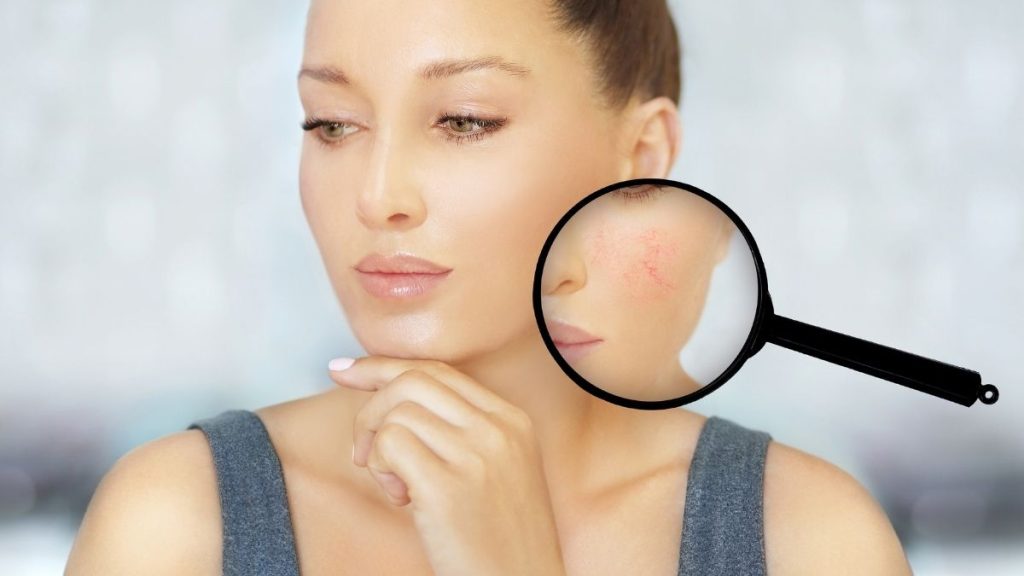
Facial blushing is a natural bodily response that may occur during hot weather, exercise, excitement, embarrassment, or stress. When the small blood vessels in the facial area widen, the amount of blood reaching the skin increases. As a result, the cheeks, forehead, area around the nose, ears, neck, or upper chest may become red, pink, or darker in colour.
In some people, facial blushing lasts only a few minutes and disappears when the trigger is removed. In others, the redness may recur frequently, last for a long time, or become permanent. Symptoms such as facial warmth, burning, sweating, palpitations, and anxiety may also accompany the redness.
Facial blushing does not always indicate a disease. However, redness that occurs without an obvious trigger, becomes permanent, affects only one side of the face, or appears with other symptoms may require investigation of the underlying cause.
When planning treatment, it should be determined whether the redness is a natural vascular response, emotional blushing, a skin condition such as rosacea, or facial flushing caused by another health problem.
How Does Facial Blushing Develop?
There are many small blood vessels beneath the skin that help regulate body temperature and circulation. When these vessels widen, the amount of blood reaching the facial area increases and the colour of the skin changes.
Blood vessels may widen in situations such as:
-
- Increased body temperature
- Exercise
- Stress and excitement
- Embarrassment or anger
- Eating spicy foods
- Alcohol consumption
- Hot drinks
- Hormonal changes
- Certain medications
- Skin conditions
The width of facial blood vessels is also influenced by the autonomic nervous system. The autonomic nervous system controls involuntary functions such as heart rate, sweating, widening and narrowing of blood vessels, and regulation of body temperature.
For this reason, other physical symptoms such as sweating, palpitations, trembling, or a sensation of warmth may also occur during facial blushing.
Are Facial Blushing and Persistent Facial Redness the Same Thing?
Temporary facial blushing and persistent facial redness are not the same condition.
Temporary facial blushing usually occurs after a specific trigger. The face may become red for several minutes or longer after excitement, exposure to a warm environment, exercise, or eating spicy foods. When the trigger disappears, the skin colour returns to normal.
In persistent facial redness, the skin may appear red, pink, purplish, or brownish throughout the day. Visible small blood vessels, burning, stinging, or acne-like bumps may be present, especially on the cheeks and around the nose.
Persistent or frequently recurring redness may be associated with:
-
- Rosacea
- Sun damage
- Skin sensitivity
- Contact dermatitis
- Cosmetic products
- Certain medications
- Systemic diseases
The duration and distribution of the redness and accompanying skin symptoms help determine the cause.
What Are the Most Common Causes of Facial Blushing?
Facial blushing does not have a single cause. It may result from natural everyday responses, skin conditions, hormonal changes, or medications.
Embarrassment, Excitement, and Emotional Facial Blushing
Embarrassment, excitement, anxiety, anger, or feeling that attention is focused on oneself are among the most common causes of facial blushing.
This condition is known as emotional facial blushing. It may occur during public speaking, a job interview, examination, meeting, social gathering, or when meeting someone new.
Emotional blushing usually:
-
- Begins suddenly.
- Becomes noticeable on the cheeks, ears, forehead, and neck.
- Causes a sensation of warmth.
- May occur together with sweating and palpitations.
- Decreases when the person relaxes.
Emotional blushing is a natural human response. However, if it occurs very frequently, cannot be controlled, or causes the person to avoid social situations, it may become a problem that affects quality of life.
Stress and Anxiety
The autonomic nervous system becomes activated during stress. Heart rate may increase, sweating may intensify, and the response of facial blood vessels may change.
When a person notices that their face has become red, they may feel more anxious. As anxiety increases, the redness may become more noticeable. This may create a self-reinforcing cycle:
Worrying about facial blushing → increased anxiety → facial blushing → noticing the redness → further anxiety
This cycle may be more pronounced in people with social anxiety or a fear of facial blushing.
An intense and persistent fear of facial blushing is known as erythrophobia. A person with erythrophobia may believe that others will notice the redness and judge them negatively.
Hot Weather and Increased Body Temperature
In a hot environment, the body widens blood vessels in the skin to release excess heat. The increased amount of blood reaching the facial area may cause redness.
Facial blushing caused by hot weather is usually accompanied by sweating. Symptoms decrease when the person moves to a cooler environment and body temperature returns to normal.
Saunas, hot showers, thick clothing, and poorly ventilated environments may also cause facial redness.
Exercise
During exercise, the muscles require more energy and body temperature rises. The body widens blood vessels in the skin and increases sweat production to regulate temperature.
For this reason, facial redness during running, cycling, brisk walking, or weight training is generally a natural response.
Medical evaluation may be necessary if the redness lasts for a long time after exercise or occurs together with shortness of breath, chest pain, fainting, or severe palpitations.
Rosacea
Rosacea is a chronic skin condition that particularly affects the central area of the face. It may begin with a tendency to blush easily. Over time, the redness may last longer or become permanent.
Symptoms of rosacea may include:
-
- Recurrent facial flushing
- Persistent redness on the cheeks and around the nose
- Visible small blood vessels
- Burning or stinging of the skin
- Skin sensitivity
- Acne-like bumps
- Dryness, burning, or redness of the eyes
- Thickening of the skin of the nose in advanced cases
Rosacea symptoms are not the same in everyone. Redness may be less visible in darker skin tones. In these individuals, facial warmth, burning, swelling, darkening of the skin, and sensitivity may be more noticeable.
Common triggers that may worsen rosacea include sunlight, temperature changes, stress, alcohol, spicy foods, hot drinks, intense exercise, and irritating skincare products.
Sunlight and Temperature Changes
Sunlight may trigger facial redness and worsen rosacea symptoms. Long-term sun exposure may contribute to visible facial blood vessels and persistent changes in skin colour.
Not only hot weather but also cold weather and sudden temperature changes may cause facial blushing. Moving from a cold environment into a warm room or entering a warm area after exposure to wind may cause sudden changes in facial blood vessels.
Spicy Foods
Chilli peppers and heavily spiced foods may stimulate heat-sensitive receptors in the mouth and digestive system. The body may interpret this stimulation as an increase in temperature and widen facial blood vessels.
This may cause:
-
- Facial redness
- Sweating
- Runny nose
- A sensation of warmth
- Watery eyes
This response is physiological in most people. However, if redness and sweating occur only on one side of the face during every meal, evaluation for gustatory sweating or Frey syndrome may be appropriate.
Hot Drinks
Very hot drinks and foods such as tea, coffee, or soup may affect temperature perception and cause facial redness.
The redness does not necessarily result only from the caffeine in the drink. The temperature of the drink may also trigger widening of the blood vessels and sweating.
Facial blushing caused by hot drinks may be more noticeable in people with rosacea.
Alcohol Consumption
Alcohol may widen blood vessels in the skin and cause facial redness. The redness may be especially noticeable on the cheeks, nose, ears, and neck.
Some people may blush more rapidly and noticeably because of genetic differences in the enzymes that break down alcohol. The redness may be accompanied by warmth, palpitations, headache, or nausea.
Alcohol may also increase rosacea flare-ups. For this reason, both vascular response and skin structure should be evaluated in people who frequently experience facial redness after drinking alcohol.
Menopause and Hot Flashes
Hormonal changes during menopause may cause hot flashes. During a hot flash, sudden warmth and redness may occur on the face, neck, and upper chest.
The episode may also involve:
-
- Heavy sweating
- Palpitations
- Anxiety
- Dizziness
- Chills
Hot flashes usually last for several minutes. When they occur at night, they may cause night sweats and sleep disturbances.
Pregnancy and other hormonal changes may also affect vascular responses and body temperature, increasing episodes of facial blushing.
Fever and Infections
An increase in body temperature during a fever may cause the face to appear warm and red. The redness may be accompanied by sweating, chills, muscle pain, and weakness.
Facial redness associated with fever usually decreases when the infection is brought under control.
If persistent fever, night sweats, unexplained weight loss, coughing, or significant weakness are present, the underlying cause should be investigated.
Skin Sensitivity and Cosmetic Products
Soap, exfoliating products, perfumed skincare products, products containing acids, and certain cosmetics may irritate the skin.
Redness developing after the use of a product may be accompanied by:
-
- Burning
- Itching
- Dryness
- Peeling
- Swelling
- Stinging
- Small bumps
Redness that begins after using a particular product may suggest irritant or allergic contact dermatitis.
Rubbing the face harshly, washing with very hot water, and frequent exfoliation may also damage the skin barrier and increase redness.
Allergic Reactions
Allergic reactions may cause facial redness, itching, raised lesions, or swelling. Food, medication, insect bites, or a product applied to the skin may trigger the reaction.
Emergency medical assistance is required if facial redness is accompanied by:
-
- Swelling of the lips, tongue, or throat
- Shortness of breath
- Wheezing
- Widespread hives
- Feeling faint
- Low blood pressure
- Changes in consciousness
These symptoms may indicate a serious allergic reaction.
Medications
Certain medications may cause facial blushing by widening blood vessels or affecting body temperature.
Medication groups that may be associated with facial blushing include certain:
-
- Blood pressure medications
- Vasodilator medications
- Hormone treatments
- Corticosteroids
- Painkillers
- Diabetes medications
- Cholesterol medications
- Medications used for sexual dysfunction
- Medications affecting the nervous system
If the redness begins after starting a new medication or changing the dose, the prescribing doctor should be informed. Medication should not be stopped suddenly without medical advice.
Thyroid and Metabolic Disorders
An overactive thyroid gland may increase metabolism and body temperature.
In this situation, facial redness may be accompanied by:
-
- Excessive sweating
- Palpitations
- Trembling of the hands
- Weight loss
- Heat intolerance
- Restlessness
- Sleep problems
- Increased bowel movements
If these symptoms are present, thyroid function may need to be evaluated.
Low blood sugar may also cause sweating, palpitations, trembling, weakness, and changes in facial colour. Sudden symptoms should be assessed carefully, particularly in people receiving treatment for diabetes.
Frey Syndrome
Frey syndrome is a condition in which redness and sweating occur in a particular area of the face while eating.
It usually develops after surgery involving the salivary gland in front of the ear, trauma, or nerve injury. During healing, nerve fibres may reconnect differently with blood vessels and sweat glands in the skin, causing symptoms.
In Frey syndrome, symptoms usually:
-
- Occur on one side of the face.
- Affect the area in front of the ear and the temple.
- Begin while eating.
- Include both redness and sweating.
- May worsen with sour or spicy foods.
The diagnosis may be made by evaluating the medical history and distribution of symptoms.
Rare Systemic Causes
Recurrent facial flushing may rarely be associated with certain hormone-producing tumours, mast cell disorders, or autonomic nervous system conditions.
In these situations, facial flushing may be accompanied by:
-
- Recurrent diarrhoea
- Wheezing
- Significant palpitations
- Episodes of high or low blood pressure
- Severe headaches
- Fainting
- Widespread itching
- Abdominal pain
- Unexplained weight loss
These diseases are not common causes of facial blushing. A rare disorder should not be assumed in every person whose face becomes red. However, detailed evaluation may be appropriate when unusual symptoms are present.
Why Do Facial Blushing and Sweating Occur Together?
Sweating and facial blushing occur through different mechanisms. Sweating results from sweat gland activity. Facial blushing is caused by widening of blood vessels in the skin.
However, both mechanisms are associated with the autonomic nervous system and body temperature. For this reason, they may occur at the same time during heat, exercise, stress, or excitement.
In some people, facial warmth and redness occur first, followed by sweating. Others may experience intense facial sweating without noticeable redness.
If sweating and facial blushing frequently occur together, primary craniofacial hyperhidrosis, emotional blushing, rosacea, hormonal changes, and medication-related causes should be evaluated separately.
Why Does Fear of Facial Blushing Worsen the Symptoms?
Facial blushing is an involuntary bodily response. Thinking, “I must not blush,” does not directly stop the vascular response.
On the contrary, worrying about blushing may increase anxiety. As anxiety rises, the autonomic nervous system becomes more active and the redness may intensify.
Over time, the person may begin avoiding:
-
- Public speaking
- Meetings
- Eye contact
- Meeting new people
- Job interviews
- Social environments
Avoidance may provide temporary relief. However, in the long term, it may strengthen the fear of facial blushing.
For this reason, severe emotional blushing requires evaluation not only of skin colour but also of anxiety and avoidance behaviours.
How Is the Cause of Facial Blushing Diagnosed?
The evaluation of facial blushing begins with a detailed medical history.
The following questions are investigated:
-
- When did the redness begin?
- How long do the episodes last?
- In which situations does it occur?
- Which areas of the face are affected?
- Does it occur on both sides of the face?
- Does the redness disappear completely?
- Is it accompanied by sweating or palpitations?
- Is there burning, stinging, or itching of the skin?
- Are visible blood vessels or acne-like lesions present?
- Is it related to eating or alcohol?
- Does it occur at night?
- Is the person taking a new medication?
- Has the person previously undergone facial or salivary gland surgery?
- To what extent does the redness affect social life?
During examination, the distribution of redness, skin structure, visible blood vessels, and accompanying symptoms are assessed.
Rosacea and physiological facial blushing can often be diagnosed through medical history and examination. Laboratory tests may be requested if thyroid disease, blood sugar abnormalities, or another systemic cause is suspected.
Is Keeping a Trigger Diary Helpful for Facial Blushing?
Recording when episodes of facial redness occur may help identify personal triggers.
The diary may include:
-
- Foods and drinks consumed
- Environmental temperature
- Sun exposure
- Exercise performed
- Skincare products used
- Stressful events
- Medications taken
- Duration of the redness
- Accompanying sweating and palpitations
- A photograph of the redness
The same triggers are not present in every person. Alcohol may cause significant redness in one person, while sunlight, hot drinks, or stress may be more important in another.
How Can Facial Blushing Be Reduced?
The method used to reduce facial blushing depends on the underlying cause.
Measures that may be taken in daily life include:
-
- Identifying personal triggers
- Avoiding very hot environments
- Limiting very hot foods and drinks
- Observing the effect of spicy foods
- Reducing alcohol consumption
- Protecting the skin from sunlight
- Using products suitable for sensitive skin
- Avoiding washing the face with hot water
- Avoiding harsh exfoliation and irritating products
- Exercising in cooler environments
- Using stress management techniques
These measures may reduce physiological or rosacea-related episodes. However, they may not be sufficient on their own in severe emotional blushing or when an underlying disease is present.
How Is Facial Blushing Caused by Rosacea Treated?
Rosacea treatment is planned according to the type of redness, skin symptoms, and eye involvement.
Treatment options may include:
-
- Skincare suitable for sensitive skin
- Use of sunscreen
- Topical medications
- Oral medications
- Laser treatment for visible blood vessels
- Intense pulsed light treatment
- Treatment for eye symptoms
Rosacea is a chronic and recurrent condition. The aim of treatment is to control symptoms and reduce flare-ups rather than eliminate the condition completely with a single procedure.
Unsupervised use of corticosteroid creams for facial redness may worsen rosacea-like symptoms. Medication use on the face should therefore be planned after dermatological evaluation.
How Is Emotional Facial Blushing Treated?
Treatment of emotional blushing is planned according to the frequency of symptoms and the extent to which they affect the person’s life.
Mild and infrequent blushing often does not require treatment. However, professional support may be appropriate if the person avoids social situations or the fear of blushing affects daily life.
Psychological Support
Methods such as cognitive behavioural therapy may help the person:
-
- Evaluate thoughts related to facial blushing
- Question assumptions about other people’s reactions
- Reduce avoidance of social situations
- Manage the fear of blushing
- Break the cycle of anxiety and blushing
Recommending psychological support does not mean that facial blushing is imaginary. Blushing is a genuine vascular response. However, anxiety related to the response may cause the symptoms to occur more frequently and severely.
Medication Treatment
In blushing that occurs during specific social or performance situations, certain medications that reduce physical stress symptoms may be considered after medical evaluation.
Different medication treatments may also be considered in people with social anxiety disorder. The choice of medication should be based on the person’s general health, accompanying conditions, and other medications.
Unsupervised use of medications that affect heart rate or blood pressure may be risky. Medication prescribed for another person should not be used.
When Is Surgical Treatment Considered for Facial Blushing?
Surgical treatment is not appropriate for everyone who experiences facial blushing. The cause of the redness must first be identified.
Redness caused by rosacea, hormonal changes, medications, allergic reactions, or systemic diseases is not treated with sympathetic surgery.
Endoscopic thoracic sympathetic surgery may be considered only in selected patients who:
-
- Have uncontrollable primary emotional facial blushing
- Have experienced symptoms for a long time
- Have significant impairment in social and professional life
- Have not obtained sufficient benefit from appropriate psychological and medical treatments
- Have had secondary causes of blushing excluded
- Understand the benefits and risks of surgery
The decision for surgery is not based only on how red the face becomes. The type of blushing, triggers, effect on quality of life, and previously applied treatments are evaluated together.
How Is Endoscopic Thoracic Sympathetic Surgery Performed?
Part of the sympathetic nerve pathways associated with emotional facial blushing passes through the chest cavity.
During endoscopic thoracic sympathetic surgery, the chest cavity is entered through small incisions and the relevant nerve pathways are treated.
Depending on the technique used, the procedure may be described as:
-
- Sympathectomy
- Sympathicotomy
- Clipping
- Ramicotomy
These procedures are not technically identical. The level and method of treatment are determined according to the patient’s symptoms and the surgeon’s assessment.
The purpose of surgery is to reduce the excessive sympathetic response reaching the face during emotional stimulation. However, skin conditions or persistent redness caused by continuous widening of blood vessels cannot be eliminated through surgery.
Can Ramicotomy Be Used for Facial Blushing?
Ramicotomy is one of the surgical approaches intended to treat selected connecting branches leading from the sympathetic nerve to the target area rather than the main sympathetic trunk itself.
The aim is to reduce nerve transmission associated with facial blushing while preserving as much of the sympathetic system as possible.
The suitability of ramicotomy depends on:
-
- The type of blushing
- Severity of symptoms
- Whether sweating is also present
- Previously applied treatments
- The patient’s anatomical characteristics
- The technique used by the surgeon
No surgical technique guarantees the same result in every patient or completely eliminates the risk of compensatory sweating.
What Are the Risks of Facial Blushing Surgery?
Endoscopic thoracic sympathetic surgery may reduce emotional facial blushing. However, possible risks must be evaluated carefully because the procedure creates permanent changes in the nervous system.
One of the most important long-term consequences is compensatory sweating. Compensatory sweating is increased sweating in other areas of the body after surgery.
Increased sweating may occur particularly on the:
-
- Back
- Chest
- Abdomen
- Waist
- Hips
- Legs
Compensatory sweating may be mild in some people but severe enough to affect daily life in others.
Other possible risks include:
-
- Pain in the surgical area
- Bleeding
- Infection
- Air accumulation around the lung
- Changes in heart rate
- Excessive dryness of the face and hands
- Insufficient reduction in blushing
- Recurrence of symptoms over time
- Rare nerve complications affecting the eyelid and pupil
Before deciding on surgery, the expected benefits, risk of compensatory sweating, and non-surgical alternatives should be evaluated in detail with the patient.
Can Facial Blushing Be Completely Treated with Surgery?
A significant reduction in emotional facial blushing may occur after surgery in appropriately selected patients. However, complete elimination of redness cannot be guaranteed in every patient.
Surgery does not treat:
-
- Persistent redness caused by rosacea
- Sun damage
- Visible facial blood vessels
- Allergic redness
- Hormonal hot flashes
- Medication-related flushing
The success of the operation is not assessed only by whether the face remains completely pale or dry. The frequency of blushing episodes, social life, professional functioning, compensatory sweating, and overall patient satisfaction are evaluated together.
When Should You See a Doctor for Facial Blushing?
Medical evaluation may be appropriate if facial blushing occurs frequently, becomes persistent, or affects daily life.
A doctor should be consulted in the following situations:
-
- Redness begins suddenly
- It occurs without an obvious trigger
- It becomes persistent
- It affects only one side of the face
- Burning, swelling, or raised lesions are present
- Eye burning and redness accompany the facial symptoms
- Palpitations, trembling, or weight loss occur
- Recurrent diarrhoea or wheezing is present
- One-sided redness and sweating occur while eating
- It begins after starting a new medication
- It causes avoidance of social situations
- It cannot be controlled despite attempted treatments
Urgent medical evaluation is required if facial redness is accompanied by shortness of breath, swelling of the tongue or throat, widespread hives, or feeling faint.
Sudden facial flushing accompanied by chest pain, altered consciousness, severe headache, or intense palpitations also requires prompt assessment.
Conclusion
Facial blushing occurs when blood vessels close to the surface of the skin widen and blood flow to the facial area increases. Short-term redness during hot weather, exercise, embarrassment, excitement, or the consumption of spicy foods is usually a natural bodily response.
Frequently recurring or persistent redness may be associated with rosacea, skin sensitivity, hormonal changes, medications, and certain systemic diseases.
In emotional facial blushing, symptoms may worsen because of stress and fear of blushing. Treatment should therefore consider not only the change in skin colour but also anxiety and avoidance behaviours.
Treatment may include controlling triggers, skincare, dermatological procedures, psychological support, and medication in suitable patients. Endoscopic thoracic sympathetic surgery may be considered in severe, uncontrollable primary emotional facial blushing when non-surgical treatments do not provide sufficient benefit.
Surgical treatment should be planned only in carefully selected patients, and compensatory sweating and other possible risks should be discussed in detail before the operation.
Frequently Asked Questions About Facial Blushing
1. Why Does the Face Become Red for No Apparent Reason?
Facial blushing may be related to a trigger that the person does not notice, such as stress, temperature changes, medication, food, or drink. Rosacea, hormonal changes, and other possible causes may be evaluated when the redness occurs frequently without an obvious explanation.
2. Can Stress Cause Facial Blushing?
Stress may affect the autonomic nervous system and cause facial blood vessels to widen. The redness may be accompanied by warmth, sweating, palpitations, and trembling.
3. Is Facial Blushing Psychological?
Emotional blushing may be triggered by stress, embarrassment, and anxiety. However, the redness is a genuine physiological vascular response. Non-psychological causes such as rosacea and hormonal changes may also cause facial blushing.
4. Is Facial Blushing a Sign of Rosacea?
A tendency to blush easily may be an early sign of rosacea. Dermatological evaluation may be appropriate if the redness lasts longer over time, becomes permanent, or is accompanied by visible blood vessels, burning, and acne-like bumps.
5. Why Do Facial Blushing and Sweating Occur Together?
Both symptoms are associated with temperature regulation and the autonomic nervous system. During hot weather, exercise, stress, or excitement, blood vessels in the skin may widen while the sweat glands also become active.
6. Why Do Spicy Foods Make the Face Red?
Spicy foods may stimulate temperature receptors in the body. This may cause facial blood vessels to widen, create a sensation of warmth, and trigger sweating.
7. Can Alcohol Cause Facial Blushing?
Alcohol may widen blood vessels in the skin and cause facial redness. In some people, the redness may appear more quickly and noticeably because of genetic and metabolic differences.
8. Can Fear of Facial Blushing Be Treated?
An intense fear of facial blushing may be managed with cognitive behavioural therapy, anxiety management, and medication in appropriate patients. Treatment aims to reduce both anxiety related to blushing and avoidance of social situations.
9. Can Facial Blushing Be Treated with Surgery?
Endoscopic thoracic sympathetic surgery may reduce symptoms in selected patients with severe and uncontrollable primary emotional facial blushing. Redness caused by rosacea or hormonal conditions is not treated surgically. The risk of compensatory sweating must be evaluated before surgery.
10. Which Doctor Should Be Consulted for Facial Blushing?
A dermatologist may be consulted for persistent redness and skin symptoms. Internal medicine or endocrinology evaluation may be necessary if palpitations, weight loss, or hormonal symptoms are present. Psychological or psychiatric support may be helpful for severe fear of blushing. Patients considering surgical treatment for primary emotional blushing may be evaluated by a thoracic surgeon.