What Does It Mean to Sweat When It Is Not Hot?
22/05/2026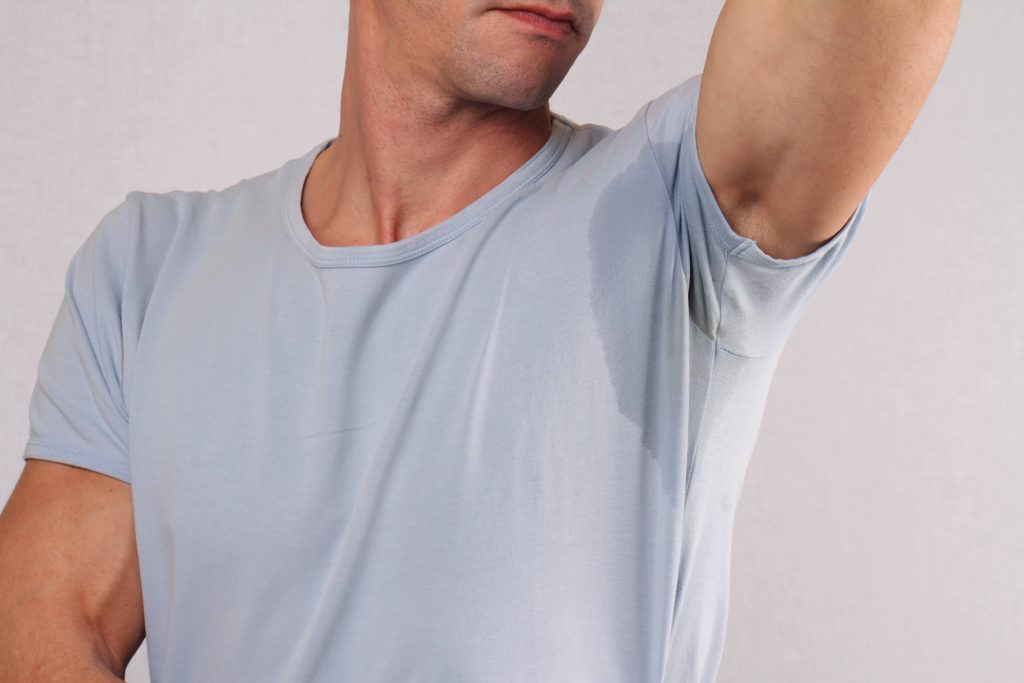
Why Do We Sweat?
Sweating is one of the body’s most natural and important self-regulating functions. Many people ask questions such as “Why do we sweat?”, “What causes sweating?”, or “Is sweating too much normal?” These questions become even more important for people who experience hand sweating, underarm sweating, facial sweating, or sweating even when the weather is not hot.
In simple terms, sweating is one of the body’s ways of maintaining its internal temperature balance. When body temperature rises, the sweat glands become active and release fluid onto the surface of the skin. As this fluid evaporates, the body begins to cool down. In other words, sweating is part of the body’s protective system.
However, sweating does not happen only in hot weather. Exercise, stress, excitement, embarrassment, hormonal changes, and some medical conditions can also increase sweating. For this reason, sweating does not always have a single cause. In some cases, it is completely normal. In others, it may be part of excessive sweating, also known as hyperhidrosis.
Understanding why the body sweats is important because it helps people recognize when sweating is a healthy response and when it may need further evaluation.
What Is Sweating?
Sweating is a natural body response produced by the sweat glands in the skin. The human body contains millions of sweat glands, and these glands are especially active in certain areas such as the underarms, palms, soles of the feet, forehead, and face.
Sweating plays a key role in regulating body temperature. It also helps the body respond to environmental changes and emotional triggers. That is why some people sweat not only in heat, but also during stressful or emotionally intense situations.
This is particularly noticeable in areas such as the hands, face, and underarms, because these areas are either highly visible or used constantly in daily life. As a result, sweating in these areas tends to feel more disruptive and more difficult to ignore.
Why Do We Sweat?
The main reason we sweat is to control body temperature. The body functions best within a specific temperature range. When that balance begins to shift, sweating helps the body return to a safer and more stable level.
Sweating commonly increases in the following situations:
Hot weather
When the air temperature rises, the body produces more sweat in order to cool itself down. This is one of the most normal causes of sweating.
Exercise and physical activity
Walking, running, sports, and other forms of activity increase muscle work and body heat. As body temperature rises, sweating also increases.
Stress and excitement
Sweating can increase during public speaking, important meetings, exams, or emotionally intense moments. In these situations, hand sweating and facial sweating may become especially noticeable.
Hormonal changes
Hormonal fluctuations can also affect sweating. Puberty, menopause, and some hormone-related conditions may make a person sweat more than usual.
Certain health-related conditions
In some people, sweating goes beyond what would normally be expected and starts to interfere with daily life. In such cases, excessive sweating or hyperhidrosis may need to be considered.
What Is the Difference Between Normal Sweating and Excessive Sweating?
Not all sweating is a problem. The real issue is not simply how much a person sweats, but whether the sweating happens at the expected time and whether it affects quality of life.
Normal sweating is usually linked to a clear trigger such as heat, exercise, or stress. Once the trigger disappears, sweating tends to decrease. Excessive sweating, on the other hand, may happen even in cool environments, during rest, or without an obvious reason.
For example, hands that are constantly wet even in mild weather, underarms that soak through clothing, or facial sweating that interferes with social confidence may suggest something more than ordinary sweating.
People with excessive sweating often describe experiences such as:
• Avoiding handshakes
• Choosing clothes based on sweat marks
• Feeling uncomfortable in social situations
• Difficulty concentrating at work or school
• Carrying tissues, towels, or extra clothing regularly
When sweating starts to affect daily comfort, confidence, and routine, it may no longer be just a normal body response.
In Which Areas Is Sweating More Noticeable?
Sweating can occur all over the body, but some areas are more commonly affected and more easily noticed. These include the palms, underarms, soles of the feet, and face. That is why some of the most common complaints include:
• Hand sweating
• Underarm sweating
• Foot sweating
• Facial sweating
Sweating in the hands and face can affect social interaction and self-confidence more directly. Underarm sweating often affects clothing choices and day-to-day comfort. Foot sweating may not always be visible, but it can still cause significant discomfort.
Does Sweating Always Mean There Is a Health Problem?
No. Sweating does not automatically mean that there is a disease or medical problem. In most cases, it is a normal and necessary body function. However, sweating may need further evaluation if it is unusually intense, disrupts daily life, or appears without a clear reason.
Greater attention may be needed in the following situations:
If it affects daily life
If sweating causes social, professional, or emotional difficulty, it becomes more important to assess.
If it is especially intense in certain areas
Constant heavy sweating of the hands, underarms, feet, or face may be outside the usual range.
If it started unexpectedly
Sweating that appears suddenly or becomes significantly worse over time may need closer evaluation.
When Should Sweating Be Evaluated?
A person may benefit from further evaluation if they frequently think, “Why am I sweating this much?” and the problem is affecting daily comfort or confidence. Sweating deserves more attention when:
• It happens even in cool environments
• The hands or underarms stay constantly wet
• It interferes with social life
• It happens together with facial flushing
• It became more noticeable over time
At that point, it becomes important to understand the cause, identify the pattern, and decide whether the sweating is normal or part of a more significant condition such as hyperhidrosis.
The answer to the question “Why do we sweat?” is actually quite clear: the body sweats in order to maintain temperature balance and adapt to internal and external changes. In that sense, sweating is a normal and essential function.
However, in some people, sweating goes beyond what would be expected. If hand sweating, underarm sweating, foot sweating, or facial sweating begins to interfere with daily life, the issue may need more detailed evaluation.
In short, the important point is not simply whether a person sweats, but when it happens, where it happens, and how much it affects everyday life.