What Causes Facial Sweating? Symptoms and Treatment
29/07/2026
What Is Botox for Sweating Treatment?
29/07/2026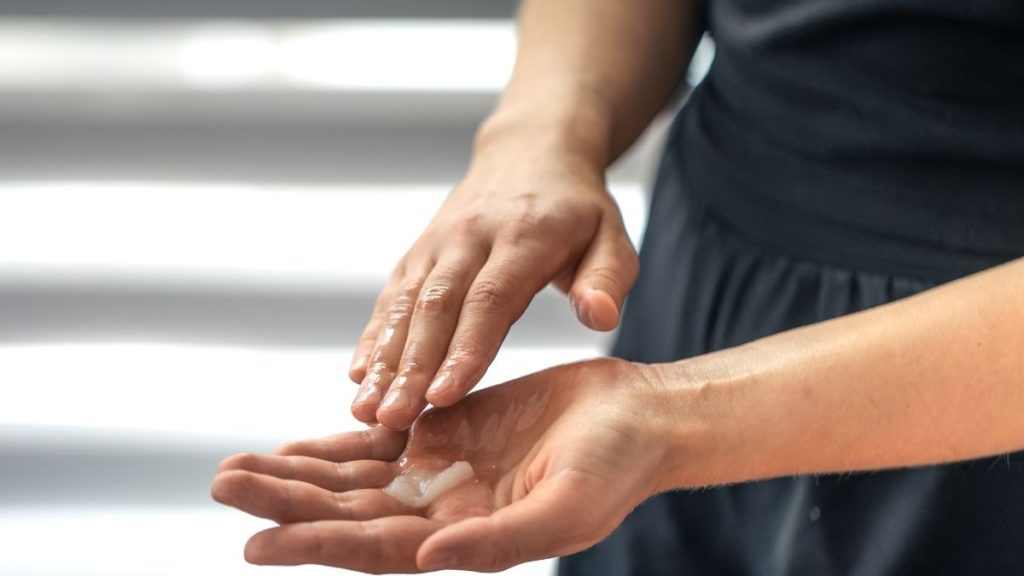
Botox treatment for hand sweating involves injecting small doses of botulinum toxin into areas of the palms affected by excessive sweating. Botulinum toxin temporarily reduces the nerve signals reaching the sweat glands and suppresses sweat production in the treated area.
Excessive sweating of the palms is known as palmar hyperhidrosis. In some people, the hands remain constantly moist, while in others sweat may drip from the palms. Writing, using a phone, holding documents, shaking hands, driving, and working with delicate instruments may become difficult.
Botox for hand sweating is a non-surgical, temporary local treatment. The sweat glands are not permanently destroyed, and the sympathetic nerves are not cut. As the effect of the medication decreases, communication between the nerves and sweat glands gradually returns, and sweating may recur.
Because the palms contain many nerve endings, injections may be more painful than underarm Botox. Pain-control methods should therefore be planned before the procedure. Temporary weakness of grip or finger movement may also occur if botulinum toxin reaches the nearby small hand muscles.
When deciding on treatment, the severity of sweating, previous treatments, the patient’s occupation, need for manual dexterity, expectations, and possible side effects are evaluated together.
What Is Hand Sweating?
Hand sweating is excessive activity of the sweat glands in the palms. Sweating of the hands during hot weather, exercise, stress, or excitement may be natural. However, palmar hyperhidrosis may be present when the hands remain wet even when the body does not need to cool down.
Primary palmar hyperhidrosis usually:
-
- Begins during childhood or adolescence.
- Affects both hands similarly.
- Becomes noticeable at least once a week.
- Decreases or stops during sleep.
- May worsen with stress and excitement.
- May occur in other family members.
- May affect daily life and professional activities.
- Cannot be explained by another disease.
Some people experience only palm sweating. In others, sweating of the feet, underarms, or face may accompany hand sweating.
How Does Hand Sweating Affect Daily Life?
Hand sweating is not simply a skin problem that causes wet palms. When severe, it may affect social, professional, and educational life.
People with palmar hyperhidrosis may:
-
- Avoid shaking hands.
- Wet paper while writing.
- Have difficulty using phone or tablet screens.
- Feel uncomfortable while using a computer mouse or keyboard.
- Struggle to grip a steering wheel or sports equipment.
- Feel anxious while working with electronic devices.
- Have difficulty controlling musical instruments.
- Feel the need to wear gloves.
- Struggle to hold documents or delicate materials.
- Try to hide their hands in social settings.
Anxiety caused by noticing the sweating may further stimulate the sympathetic nervous system and increase sweating. This may create a cycle in which stress and sweating reinforce one another.
How Does Botox Reduce Hand Sweating?
The sweat glands in the palms are controlled by the autonomic nervous system. A chemical substance called acetylcholine is released from nerve endings and signals the sweat glands to become active.
In primary palmar hyperhidrosis, the number of sweat glands is usually normal. The main problem is excessive nerve stimulation reaching these glands.
Botulinum toxin temporarily reduces the release of acetylcholine from nerve endings in the treated area. As a result, the signal reaching the sweat glands becomes weaker and sweat production in the palms decreases.
Botulinum toxin:
-
- Does not remove the sweat glands.
- Does not permanently destroy the sweat glands.
- Does not stop all nerve activity in the hand.
- Does not prevent sweating throughout the body.
- Reduces sweating only in the treated area.
- Allows nerve-to-sweat gland communication to return as its effect wears off.
Botox for hand sweating is therefore not a permanent treatment. However, while effective, it may reduce excessive palm sweating enough to improve daily life.
Are Botox and Botulinum Toxin the Same Thing?
The word Botox is commonly used as a general term for botulinum toxin procedures. However, Botox is the brand name of a particular botulinum toxin product.
Different types and commercial products of botulinum toxin are available. Their:
-
- Dosage units
- Preparation methods
- Diffusion characteristics
- Duration of effect
- Approved uses
are not completely identical.
A dose used for one botulinum toxin product cannot be directly converted into the dose of another product. The product, total dose, dilution, and injection plan should be determined by the doctor.
Is Botox an Approved Treatment for Hand Sweating?
The regulatory approval status of botulinum toxin for hyperhidrosis varies according to the product and country.
For example, the United States approval for onabotulinumtoxinA in hyperhidrosis covers severe primary underarm sweating that cannot be adequately controlled with topical treatments. Its use for palm sweating may be off-label.
Off-label use means that a medication is used by a doctor outside its officially approved indication, based on scientific evidence and clinical assessment. It does not automatically mean that the treatment is ineffective or prohibited.
Although clinical studies have evaluated botulinum toxin for hand sweating, patients should be informed about:
-
- The approval status of the treatment
- Expected benefits
- Alternative methods
- Pain-control options
- The risk of temporary muscle weakness
- The need for repeat treatment
Who May Be Suitable for Botox for Hand Sweating?
Botulinum toxin may be considered in selected patients whose hand sweating significantly affects daily life and who have not obtained sufficient benefit from appropriate non-surgical treatments.
Treatment may be considered when:
-
- The palms are constantly moist or wet
- The hands sweat even in a cool environment or at rest
- Sweating affects both hands similarly
- Writing or using electronic devices becomes difficult
- Handshaking causes social anxiety
- Professional activities are affected
- Antiperspirant products have not provided sufficient benefit
- Iontophoresis has been insufficient or cannot be used
- Oral medication has caused side effects
- A non-surgical local treatment is preferred
- The patient accepts that the effect is temporary and repeat treatment may be required
Suitability is not determined only by the amount of sweat. The effect on the person’s quality of life is also considered.
Is Hand Botox the First Treatment Option?
Botulinum toxin is not usually the first treatment used for hand sweating.
Primary palmar hyperhidrosis is generally treated gradually, beginning with less invasive methods.
Treatment options may include:
-
- Topical antiperspirant products
- Iontophoresis
- Certain oral medications
- Botulinum toxin injections
- Endoscopic thoracic sympathetic surgery in carefully selected patients
The order of treatment may vary according to sweating severity, skin characteristics, previous treatments, general health, and patient expectations.
Botox may be considered particularly when topical treatments and iontophoresis are insufficient but the patient does not want surgery.
Is Botox Used for Everyone with Hand Sweating?
No. Hand sweating is not always caused by primary hyperhidrosis.
The underlying condition should be evaluated first when sweating is caused by:
-
- An overactive thyroid gland
- Low blood sugar
- Febrile illnesses
- Certain infections
- Hormonal changes
- Nervous system disorders
- Medications
- Alcohol or substance withdrawal
- Intermittent sweating associated with anxiety
- Systemic diseases affecting the whole body
Botox does not treat the disease causing secondary sweating. For example, when sudden sweating is caused by low blood sugar, the priority is to assess and treat the glucose problem.
How Is the Cause of Hand Sweating Evaluated Before Botox?
Before treatment, the patient’s medical history is reviewed and the hands are examined.
The following questions may be considered:
-
- When did hand sweating begin?
- Has it been present since childhood?
- Does it affect both hands equally?
- Does it stop during sleep?
- Does it increase with stress or excitement?
- Is there also sweating of the feet, underarms, or face?
- Are night sweats present?
- Has a new medication been started?
- Are palpitations, trembling, or weight loss present?
- Are there symptoms of low blood sugar?
- Which treatments have been tried before?
- Has iontophoresis been used regularly?
- How does sweating affect daily life?
- Does the patient’s occupation require precise manual skills?
- Has botulinum toxin been used before?
- Did a previous treatment cause side effects?
When the typical features of primary palmar hyperhidrosis are present, diagnosis can usually be made through medical history and examination.
Are Blood Tests Performed Before Hand Botox?
Extensive routine blood tests may not be necessary in otherwise healthy people with typical primary palmar hyperhidrosis solely because Botox is planned.
However, testing for secondary causes may be considered when hand sweating:
-
- Begins recently and suddenly
- Appears for the first time during adulthood or older age
- Continues at night
- Occurs with generalised body sweating
- Affects only one hand or one side of the body
- Is accompanied by fever or weight loss
- Occurs with palpitations and trembling
Depending on the symptoms, tests may include:
-
- Blood glucose
- HbA1c
- TSH and free T4
- Complete blood count
- Inflammatory or infection markers
- Kidney and liver function tests
Not every patient needs all of these tests. Testing is selected according to the symptoms.
Are the Hand Muscles Evaluated Before Botox?
Temporary muscle weakness is one of the important local side effects of hand Botox. The person’s hand function and professional requirements should therefore be assessed before treatment.
Detailed evaluation is particularly important for:
-
- Surgeons
- Dentists
- Musicians
- Technicians
- Athletes
- People performing manual crafts
- People using delicate equipment
- People working intensively with computers or drawing pens
- People whose work requires strong grip
When necessary, grip strength and finger movement may be documented clinically before treatment. This allows any changes after the procedure to be assessed more accurately.
How Is the Treatment Area Identified?
The sweating area in the palms may be identified through the patient’s description and physical examination.
If the distribution is unclear, an iodine-starch test may be used.
During the test:
-
- The hand is cleaned and dried.
- An iodine-containing solution is applied to the palm.
- Starch is applied after the solution dries.
- Sweating areas become darker.
The colour change shows the areas of active sweating and may help plan the injections.
The test does not identify the cause of sweating. It only maps the areas where sweat glands are most active.
Can Botox Be Injected into the Fingers?
In some people, sweating affects not only the palms but also the inner surfaces and tips of the fingers.
The treatment area is selected according to the distribution of sweating. If the fingers are affected, they may be included in the injection plan.
However, in the fingers:
-
- Nerve endings are dense.
- Injection pain may be more noticeable.
- Small muscles and tendon structures are close together.
- Temporary changes in movement or strength may be more important.
Hand Botox should therefore be planned according to the individual’s sweating pattern and hand anatomy rather than a standard template.
Why Can Hand Botox Be Painful?
The palms and fingers contain many nerve endings responsible for touch and pain sensation.
Botulinum toxin is not injected into a single point. Multiple small injections are used to cover the entire sweating area. Even though each injection is superficial, the overall procedure may be uncomfortable.
The level of pain varies according to:
-
- The number of injections
- Whether the fingers are treated
- The type of needle used
- Injection volume
- The patient’s pain threshold
- The anaesthesia method
Beginning the procedure without adequate pain control may make it difficult for the patient to complete the treatment.
How Is Pain Reduced During Hand Botox?
Different pain-control methods may be used during hand Botox.
Topical Anaesthetic Cream
A topical anaesthetic cream may be applied to the palms before the procedure.
However, because the skin of the palms is thick, the cream may not provide sufficient numbness in every patient. Injection pain may continue in the centre of the palm and fingertips.
Cold Application
Cold may be applied before and during the injections.
Cooling may temporarily reduce pain sensation. However, it may not make extensive palm injections completely painless when used alone.
Vibration and Distraction Methods
Vibration applied near the injection area may reduce the perception of pain signals.
This method may be combined with other local pain-control techniques.
Regional Nerve Block
A local anaesthetic may be injected around nerves such as the median and ulnar nerves to temporarily numb a large portion of the hand.
A nerve block may make palm injections more comfortable. However, it:
-
- Requires additional injections.
- Causes temporary numbness.
- Requires protection of the hand for a period.
- Rarely carries risks such as bleeding, infection, or nerve injury.
The nerve block should be performed by a physician experienced in the procedure.
Local Anaesthesia
In some patients, local anaesthetic may be injected into the treatment area.
The pain-control method is selected according to the patient’s health, treatment area, pain sensitivity, and the medical centre’s protocol.
What Happens to the Hand After a Nerve Block?
After a regional nerve block, temporary numbness, reduced sensation, and difficulty moving the hand or fingers may occur.
Until sensation returns completely:
-
- The hand should not touch hot objects.
- Cutting tools should not be used.
- Driving should be avoided.
- The hand should not be used for heavy work.
- The numb area should be protected from impact and pressure.
Because the person cannot fully feel the hand, accidental burns, cuts, or crushing injuries may occur.
The doctor should be informed if numbness lasts longer than expected or severe pain develops.
How Is Botox Treatment for Hand Sweating Performed?
Although the procedure may vary according to the medical centre and the patient’s needs, it generally involves the following steps:
-
- The patient’s medical history and health are assessed.
- Primary and secondary sweating are distinguished.
- The severity of hand sweating is determined.
- The sweating area is examined.
- An iodine-starch test is performed when necessary.
- Injection points are marked on the palm.
- The hand is cleaned with an antiseptic solution.
- An appropriate pain-control method is used.
- Botulinum toxin is injected into the skin in small doses using fine needles.
- The injections are distributed to cover the sweating area.
- The fingers may also be treated when necessary.
- Hand and muscle function are observed after the procedure.
- Post-treatment instructions are explained.
The injections are intended to remain as superficial as possible within the skin. Deeper injection or spread into the muscles may increase the risk of temporary weakness.
The total dose and number of injections may vary according to:
-
- The botulinum toxin product
- The size of the sweating area
- Whether the fingers are treated
- Previous treatment response
- The doctor’s injection technique
Dosage units of different botulinum toxin products cannot be directly substituted for one another.
Can Both Hands Be Treated at the Same Time?
Both hands may be treated during the same session in suitable patients.
However, when both hands are treated:
-
- The procedure may take longer.
- More extensive pain control may be needed.
- Temporary tenderness may occur in both hands.
- Temporary weakness may affect both hands.
- Daily tasks may become difficult for a short period.
For people whose work or daily life depends heavily on hand use, the doctor and patient may decide whether both hands should be treated together or at separate times.
How Long Does Hand Botox Take?
The duration depends on the size of the treatment area, number of injections, and anaesthesia method.
The injection stage itself may be relatively short. However:
-
- The iodine-starch test
- Waiting for anaesthetic cream to work
- Performing a nerve block
- Treating the fingers
- Post-procedure observation
may increase the total time.
Hand Botox generally does not require hospital admission. The patient can usually return home on the same day.
When Does Hand Botox Begin to Work?
The effect of botulinum toxin does not begin fully at the time of injection.
A reduction in sweating:
-
- May be noticed within the first few days.
- May become more noticeable after approximately one week.
- Can usually be fully assessed within one or two weeks.
Continued sweating during the first few days does not mean that treatment has failed.
If sweating remains in certain areas after two weeks, parts of the palm may not have been fully covered by the injections. The doctor decides whether additional treatment is necessary.
How Long Does Hand Botox Last?
The effect of botulinum toxin is not permanent.
The reduction in palm sweating usually continues for several months. In some people the effect may be shorter, while in others it may last longer.
Duration may be influenced by:
-
- The botulinum toxin product used
- The dose
- Distribution of injections
- Size of the sweating area
- Individual nervous system characteristics
- Previous treatments
- Severity of sweating
- Individual treatment response
Sweating usually returns gradually as the effect wears off. The hands do not necessarily return suddenly to their previous level of sweating.
How Often Is Hand Botox Repeated?
There is no fixed repeat schedule that applies to everyone.
Repeat treatment may be planned when:
-
- Sweating has clearly returned
- Daily life is again being affected
- Enough time has passed since the previous procedure
- The doctor considers another treatment appropriate
Treatment is not repeated unnecessarily early while the previous effect is still active.
The effectiveness and duration of the previous procedure and whether it caused muscle weakness are considered when planning the next treatment.
Does Repeated Hand Botox Become Less Effective?
Many patients continue to achieve sweating control with repeated treatments.
If the effect appears to decrease over time, the following may be assessed:
-
- Expansion of the sweating area
- Incomplete coverage of active areas
- Insufficient dose
- Differences in injection technique
- Use of another botulinum toxin product
- Development of a new health problem causing sweating
- Rare development of an immune response against botulinum toxin
When the effect decreases, the cause should be investigated rather than automatically increasing the dose.
Does Hand Botox Stop Sweating Completely?
Botulinum toxin may significantly reduce sweating of the palms.
In some people, the hands become almost completely dry. In others, sweating does not stop entirely but decreases enough not to interfere with daily life.
Treatment success may be assessed through improvements such as:
-
- Feeling more comfortable when shaking hands
- Preventing paper and documents from becoming wet
- Easier use of phones and computers
- Better grip on steering wheels and tools
- Reduced need to wear gloves
- Reduced social anxiety
- Easier work and educational activities
- Less need to wipe the hands constantly
The goal is not to eliminate natural sweating completely but to reduce excessive and uncontrollable sweating.
Can the Hands Become Excessively Dry After Botox?
Some people may experience more dryness than expected after treatment.
Excessive dryness may cause:
-
- Tightness of the skin
- Peeling
- Small cracks
- Sensitivity
- Discomfort while gripping
Using a suitable moisturiser may help protect the skin barrier.
Dermatological evaluation may be needed if severe dryness, cracking, or wounds develop.
Does Hand Botox Affect Grip Strength?
Temporary weakness of grip or finger movement may occur if botulinum toxin spreads to nearby small muscles.
The person may have difficulty with:
-
- Opening bottles or jars
- Turning keys
- Holding small objects
- Writing for long periods
- Playing a musical instrument
- Carrying heavy objects
- Using delicate equipment
- Giving a firm handshake
The severity varies from person to person. In some individuals it is mild and barely noticeable, while in others it may affect professional activities.
This effect is generally temporary. Muscle function may improve as the botulinum toxin effect decreases.
How Long Does Weakness Last After Hand Botox?
The duration of temporary muscle weakness depends on:
-
- The dose
- Injection depth
- Spread of the medication into the muscles
- Treatment area
- The patient’s hand muscle structure
Weakness may decrease within several weeks. However, the exact duration is not the same for everyone.
The treating doctor should be contacted if weakness significantly affects daily tasks, becomes worse, or lasts longer than expected.
Does Hand Botox Cause Numbness in the Fingers?
Botulinum toxin does not primarily numb sensory nerves. Permanent loss of sensation is therefore not an expected effect.
However:
-
- A nerve block used during the procedure
- Local anaesthesia
- Temporary swelling at the injection site
- Irritation around a nerve
may cause temporary numbness or tingling.
Medical evaluation is required if numbness continues longer than the expected duration of anaesthesia or is accompanied by severe pain or loss of muscle function.
What Are the Other Side Effects of Hand Botox?
Possible side effects include:
-
- Injection-site pain
- Tenderness
- Redness
- Mild swelling
- Bruising
- Itching
- Temporary dryness
- Muscle pain
- Temporary weakness of grip
- Difficulty moving the fingers
- Temporary numbness related to anaesthesia
These effects are usually temporary.
Increasing redness, warmth, swelling, discharge, or severe pain at the injection site should be evaluated for possible infection.
Can Botulinum Toxin Spread Beyond the Hand?
Botulinum toxin product information includes serious warnings about the possible spread of toxin effects beyond the injection area.
Although serious systemic spread is very rare when appropriate doses are used for hyperhidrosis, urgent medical assessment is required if any of the following develop:
-
- Generalised muscle weakness
- Double vision
- Significant eyelid drooping
- Difficulty speaking
- Difficulty swallowing
- Difficulty breathing
- Voice changes
- Significant weakness of the neck muscles
These symptoms may appear hours or days after treatment.
The procedure should be performed in a medical setting using approved products by a physician experienced in botulinum toxin treatment.
Does Sweating Increase Elsewhere After Hand Botox?
Hand Botox does not cut the sympathetic nerve pathways in the way endoscopic thoracic sympathetic surgery does.
Classic compensatory sweating seen after surgery is therefore not an expected major side effect of hand Botox.
After hand sweating decreases, the person may become more aware of existing sweating in the feet, underarms, or other areas. This does not necessarily mean that sweating has actually increased.
Normal sweating continues in untreated areas.
Does Hand Botox Affect Body Temperature Regulation?
The sweat glands in the palms represent only a small part of the glands involved in regulating body temperature.
Treating only the hands generally does not eliminate the body’s overall ability to regulate heat. Sweat glands in other areas continue to function.
However, treatment planning should be assessed separately when botulinum toxin is applied to several large body areas at the same time or when the patient performs heavy physical activity in hot environments.
Who Should Not Receive Hand Botox?
Botulinum toxin may not be used in the following situations:
-
- Known allergy to botulinum toxin or the product ingredients
- Previous serious allergic reaction to botulinum toxin
- Active infection in the hand to be treated
- Open wound or severe skin damage
- Certain muscle or nerve diseases that make the procedure unsafe
- Inability or unwillingness to accept the temporary effect or possible risks
Some conditions may not be absolute contraindications but require detailed assessment.
When Is Additional Caution Required Before Hand Botox?
The doctor should be informed about:
-
- Myasthenia gravis
- Lambert-Eaton syndrome
- ALS or another neuromuscular disease
- Pre-existing hand muscle weakness
- Hand or wrist nerve injury
- Swallowing or breathing difficulties
- Bleeding disorders
- Blood-thinning medication
- Aminoglycoside antibiotic use
- Muscle relaxants or medications affecting nerve-muscle transmission
- Recent botulinum toxin treatment in another area
- Previous botulinum toxin side effects
- Pregnancy or breastfeeding
- Planned hand surgery
- Occupations in which manual dexterity is critical
All medications, vitamins, and supplements should be reported to the doctor.
Blood-thinning medication should not be stopped without medical advice solely to reduce bruising.
Is Hand Botox Used During Pregnancy and Breastfeeding?
Safety data regarding botulinum toxin for hyperhidrosis during pregnancy and breastfeeding are limited.
Because hand sweating is generally not an emergency condition, treatment may be postponed until after pregnancy.
During breastfeeding, the decision should consider:
-
- Severity of sweating
- Alternative treatments
- Product used
- Treatment area
- General health
Anyone who may be pregnant or is breastfeeding should inform the doctor before treatment.
Can Children and Adolescents Receive Hand Botox?
Primary palmar hyperhidrosis may begin during childhood or adolescence and significantly affect school life.
However, approval status and age limits for botulinum toxin in hand sweating vary according to the product and country.
In children and adolescents, the following should be assessed first:
-
- Whether sweating is primary or secondary
- The effect on school and daily life
- Antiperspirant treatments
- Iontophoresis
- Pain caused by the procedure
- Need for anaesthesia
- The child’s ability to cooperate
- The effect of temporary hand weakness
The treatment decision should be made by physicians experienced in paediatric hyperhidrosis and botulinum toxin.
What Should Be Considered After Hand Botox?
The treating doctor’s instructions should be followed after the procedure.
General recommendations may include:
-
- Avoiding vigorous rubbing of the hands
- Avoiding strong pressure on injection sites
- Limiting heavy hand exercises on the same day
- Protecting the hands until numbness resolves if a nerve block was used
- Avoiding cutting tools and hot objects
- Keeping injection sites clean
- Monitoring bruising and tenderness
- Informing the doctor if unexpected weakness occurs
- Following advice about returning to heavy lifting and strong gripping
Post-treatment instructions may vary according to the anaesthesia method and the patient’s occupation.
H2: Can the Hands Be Washed After Botox?
The treating doctor’s recommendations should be followed.
Gentle hand washing with lukewarm water is generally unlikely to cause a problem. However, immediately after treatment it may be advisable to avoid:
-
- Very hot water
- Vigorous rubbing
- Deep massage
- Irritating chemicals
- Harsh exfoliating products
- Strong pressure on the injection area
Instructions regarding cleaning and skincare should be followed if the injection sites remain open or tender.
Can You Drive After Hand Botox?
If a nerve block or local anaesthesia has been used, numbness, reduced sensation, or temporary movement difficulty may occur.
Driving should be avoided until numbness has completely resolved and hand function has returned to normal.
Even without anaesthesia, driving may be affected if pain, tenderness, or weakness is present.
Return to driving depends on hand function and the anaesthesia method used.
When Can You Return to Work After Hand Botox?
Most people can return to routine daily life on the same day. However, return to work depends on the nature of the job.
A person with a desk job may return quickly, while those who:
-
- Lift heavy objects
- Use hand tools
- Perform surgery
- Play a musical instrument
- Carry out precision manufacturing
- Work in jobs requiring strong grip
may need more careful planning.
Numbness caused by a nerve block or temporary weakness caused by botulinum toxin may affect professional performance.
Can You Exercise After Hand Botox?
Heavy hand exercises, weightlifting, or sports requiring strong grip may be restricted on the day of treatment.
If a nerve block has been performed, exercise should be avoided until sensation has fully returned.
Return to normal activity depends on:
-
- Injection pain
- Duration of numbness
- Treatment area
- Type of sport
Is a Follow-Up Appointment Necessary?
Because the full effect of botulinum toxin does not appear immediately, follow-up assessment may be recommended.
During follow-up, the doctor may evaluate:
-
- How much sweating has decreased
- Whether untreated sweating areas remain
- Whether grip strength has changed
- Changes in finger movement
- Excessive dryness
- Numbness or pain
- Improvement in daily life
- Whether additional injections are necessary
The full response is usually assessed after the medication has had time to take effect rather than on the first day.
What Happens If Hand Botox Does Not Work?
If sweating does not decrease sufficiently after Botox, the cause should be assessed.
Possible reasons include:
-
- Incomplete identification of the active sweating area
- Injection points failing to cover certain areas
- Insufficient dose
- Problems with product preparation or storage
- Differences between botulinum toxin products
- Sweating caused by a secondary condition
- Assessing the response too early
If sweating continues in isolated areas, the doctor may consider additional injections.
If the treatment is completely ineffective, iontophoresis, oral medications, or surgical options in suitable patients may be reconsidered.
What Is the Difference Between Hand Botox and Iontophoresis?
Iontophoresis involves placing the hands in trays of water and passing a low electrical current through the skin.
Iontophoresis:
-
- Does not require injections.
- Can be used with home devices.
- Requires frequent sessions initially.
- Requires maintenance sessions.
- May cause mild burning, tingling, or skin irritation.
- Does not cause botulinum toxin-related muscle weakness.
Hand Botox:
-
- Requires multiple injections.
- May require pain control.
- May provide several months of benefit after one treatment.
- May cause temporary weakness of grip or finger movement.
- Is performed by a doctor in a medical setting.
Iontophoresis is commonly considered before hand Botox. However, treatment selection depends on the patient’s previous experience, available time, and preferences.
What Is the Difference Between Hand Botox and Oral Medication?
Certain oral anticholinergic medications may affect sweat glands in several parts of the body.
These medications:
-
- May treat several areas such as the hands and feet at the same time.
- Do not require injections.
- May require regular use.
- May cause dry mouth.
- May cause constipation and blurred vision.
- May make urination difficult.
- May increase sensitivity to hot weather.
Hand Botox targets only the injected area. Whole-body anticholinergic side effects such as dry mouth are therefore not expected.
However, injection pain and temporary weakness of the hand muscles may occur.
What Is the Difference Between Hand Botox and Surgery?
Endoscopic thoracic sympathetic surgery may be considered for severe primary hand sweating.
Hand Botox:
-
- Is non-surgical.
- Does not require general anaesthesia.
- Has a temporary effect.
- May require repeat treatment.
- May cause injection pain.
- Carries a risk of temporary hand weakness.
- Is not expected to cause classic compensatory sweating.
Endoscopic thoracic sympathetic surgery:
-
- Is performed under general anaesthesia.
- Creates a permanent change in the sympathetic nerve pathways.
- May provide rapid and long-lasting results for hand sweating.
- Carries a risk of compensatory sweating.
- Includes surgical risks such as bleeding, infection, and air accumulation around the lung.
- May not always be reversible.
Surgery is not selected only because Botox is temporary. Sweating severity, previous treatments, patient expectations, and acceptance of compensatory sweating risk are considered.
If Botox Works, Is Hand Sweating Surgery Still Necessary?
Patients who obtain sufficient benefit from botulinum toxin and accept repeat treatment may not need surgery.
Some patients may:
-
- Be unable to tolerate injection pain.
- Experience temporary muscle weakness.
- Prefer not to repeat the procedure.
- Be unable to sustain the cost.
- Find the duration too short.
- Prefer a more permanent treatment.
Other methods and surgical options may then be considered.
A good response to Botox does not mean that surgery will provide the same result or risk profile. Botox and sympathetic surgery work through different mechanisms.
Can Hand Botox Be Used as a Trial Before Surgery?
Botulinum toxin may help show how reducing hand sweating affects the person’s quality of life.
However, Botox:
-
- Does not cut the sympathetic nerves.
- Does not cause classic compensatory sweating.
- Has a temporary effect.
- Carries different risks from surgery.
A good response to Botox therefore does not guarantee that surgery will be successful.
The severity of sweating, response to other treatments, and risk of compensatory sweating must still be assessed separately.
Is Hand Botox Safe?
With appropriate patient selection, correct injection technique, suitable dosing, and approved products, botulinum toxin may be an effective treatment for hand sweating.
Safety is influenced by:
-
- The patient’s general health
- The botulinum toxin product used
- The total dose
- Product preparation and storage
- Injection depth
- Accurate assessment of hand anatomy
- Safe use of anaesthesia
- Knowledge of previous botulinum toxin treatments
- Avoidance of counterfeit or unknown products
Hand Botox should not be regarded as a simple cosmetic procedure. It involves injecting a prescription medication close to nerves, muscles, and blood vessels.
Which Doctor Performs Botox for Hand Sweating?
Hand Botox should be performed by physicians experienced in diagnosing hyperhidrosis and administering botulinum toxin.
Initial assessment may be performed by dermatology, internal medicine, or family medicine.
Botulinum toxin treatment is commonly performed by dermatologists. Experience in hand anatomy, pain control, and temporary muscle weakness is important.
Patients considering surgery for primary palmar hyperhidrosis are evaluated by a thoracic surgeon.
The procedure should not be performed in non-medical settings where unapproved or unknown products may be used.
When Should You Contact a Doctor After Hand Botox?
Mild pain, tenderness, bruising, and temporary weakness may occur after treatment.
The treating doctor should be contacted if there is:
-
- Increasing redness at the injection site
- Significant swelling
- Severe or worsening pain
- Discharge or signs of infection
- Greater-than-expected grip weakness
- Significant difficulty moving the fingers
- Prolonged numbness
- Severe dryness and cracking
- No reduction in sweating
- New widespread symptoms
Urgent medical assessment is required if difficulty swallowing, speaking, or breathing, double vision, or generalised muscle weakness develops.
Conclusion
Botox treatment for hand sweating involves injecting botulinum toxin into active sweating areas of the palms through multiple small injections.
Botulinum toxin temporarily reduces the acetylcholine signal reaching the sweat glands. The glands are not permanently destroyed, and the effect decreases over time.
Because the palms contain many nerve endings, treatment may be more painful than underarm Botox. Pain may be controlled with topical anaesthetic cream, cooling, or regional nerve blocks.
Sweating may begin to decrease within the first few days and become more noticeable within one or two weeks. The effect generally lasts for several months, and treatment may be repeated when sweating returns.
One of the important side effects is temporary weakness of grip or finger movement caused by spread of the medication to nearby small muscles. This risk should be evaluated particularly carefully in people whose occupation depends on precise manual skills.
Botulinum toxin is not suitable for every patient with hand sweating. Secondary causes should first be investigated when sweating begins suddenly, continues at night, affects only one side, or occurs throughout the body.
Treatment should be planned individually according to sweating severity, previous treatments, occupation, hand function, pain tolerance, and patient expectations.
Frequently Asked Questions About Botox Treatment for Hand Sweating
1. How Is Botox for Hand Sweating Performed?
After the sweating area is identified, the palms are cleaned and an appropriate pain-control method is used. Botulinum toxin is injected into the skin in small doses using fine needles to cover the entire sweating area.
2. Is Hand Botox Painful?
The palms contain many nerve endings, so injections may be painful. Topical anaesthetic cream, cooling, or a regional nerve block may be used to reduce discomfort.
3. When Does Hand Botox Begin to Work?
A reduction in sweating may be noticed within the first few days. A clearer effect generally appears within approximately one week. Full response may take one or two weeks to assess.
4. How Long Does Hand Botox Last?
The effect varies between individuals but generally continues for several months. Sweating may gradually return as the effect wears off.
5. Can Hand Botox Cause Weakness?
Temporary weakness of grip or finger movement may occur if botulinum toxin spreads to nearby small muscles. This risk is particularly important for people whose work depends on precise hand function.
6. Can the Hands Be Used After Botox?
If no anaesthesia has been used and there is no significant pain, light daily activities may be possible. If a nerve block was performed, the hand should be protected from hot, sharp, and heavy objects until numbness resolves completely.
7. Can Both Hands Be Treated at the Same Time?
Both hands may be treated in the same session in suitable patients. However, numbness, tenderness, or temporary weakness in both hands may make daily tasks difficult, so planning should consider the patient’s occupation.
8. Does Sweating Increase Elsewhere After Hand Botox?
Botulinum toxin does not cut the sympathetic nerve pathways, so classic compensatory sweating seen after surgery is not an expected major side effect. Normal sweating continues in untreated areas.
9. Is Botox or Iontophoresis Better for Hand Sweating?
Iontophoresis does not require injections but needs initial and maintenance sessions. Botox may provide several months of benefit after one procedure but carries risks of pain and temporary hand weakness. The most suitable method depends on the patient’s treatment history and needs.
10. Which Doctor Performs Hand Botox?
The procedure should be performed by a physician experienced in hyperhidrosis and botulinum toxin. Hand Botox is commonly performed by dermatologists. Patients considering surgery are evaluated by a thoracic surgeon.